Question bank Cambridge Primary (1-6)
431 questions
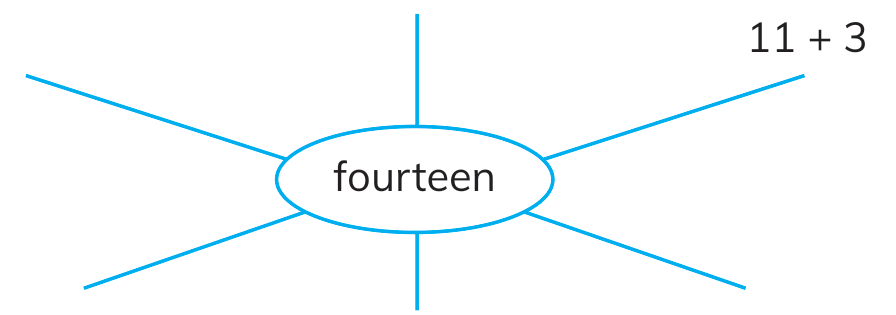
Add some facts about number fourteen.
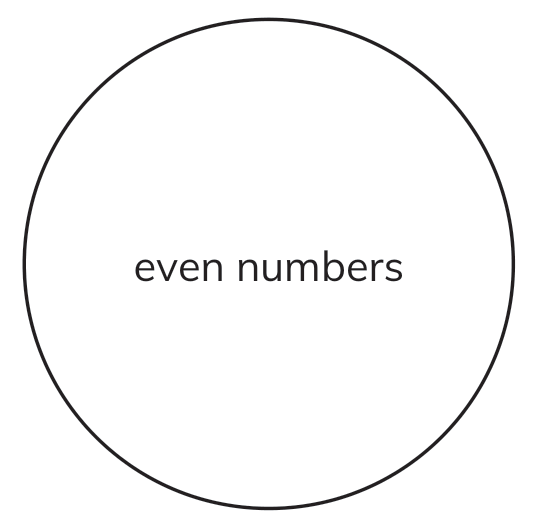
Sort the numbers from 0 to 20. Write the even numbers inside the circle.
Show 18 on this number line.

Write the missing numbers.
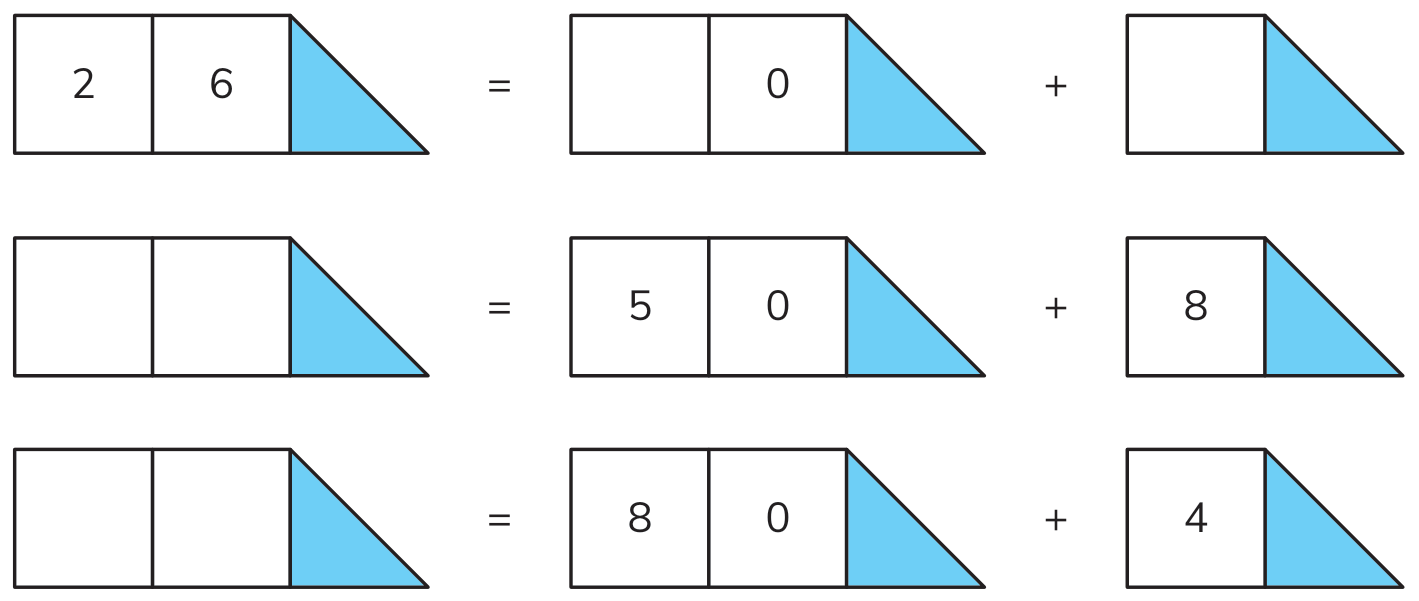
Write the missing numbers.
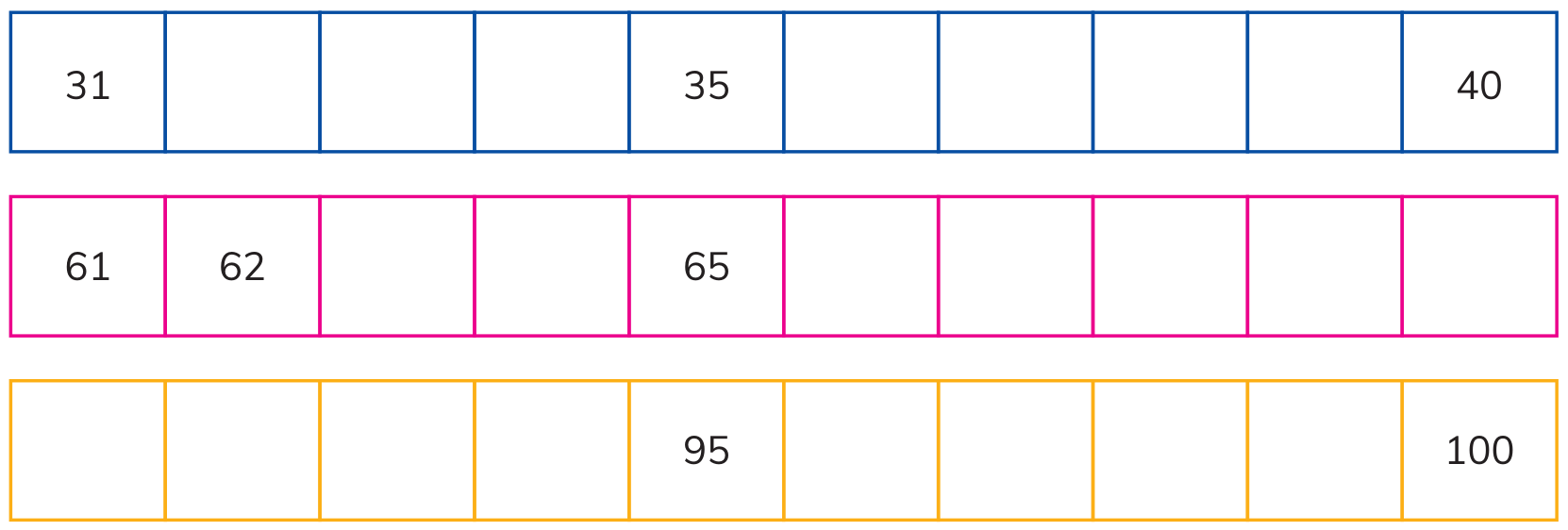
Write the missing numbers.
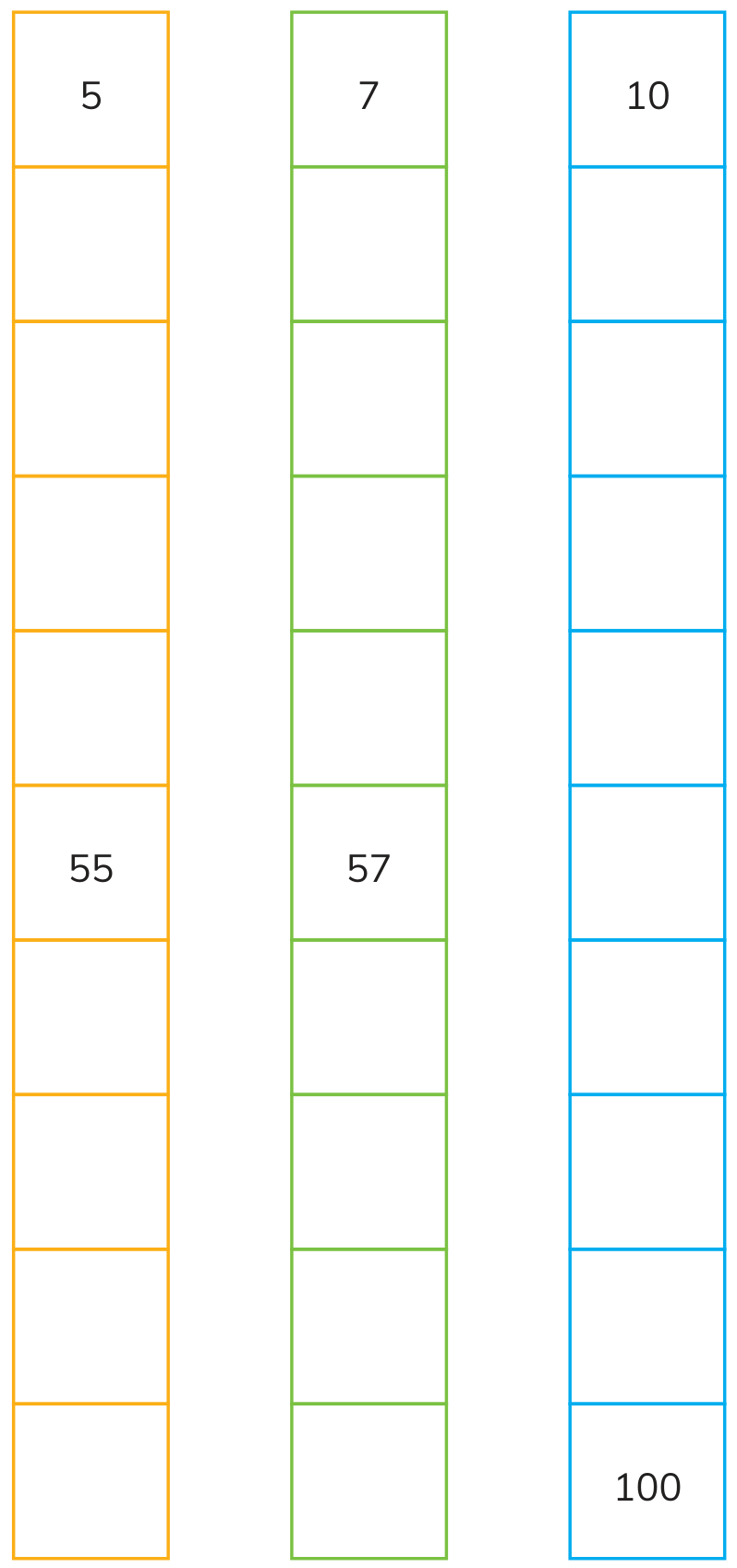
Look at the 100 square.
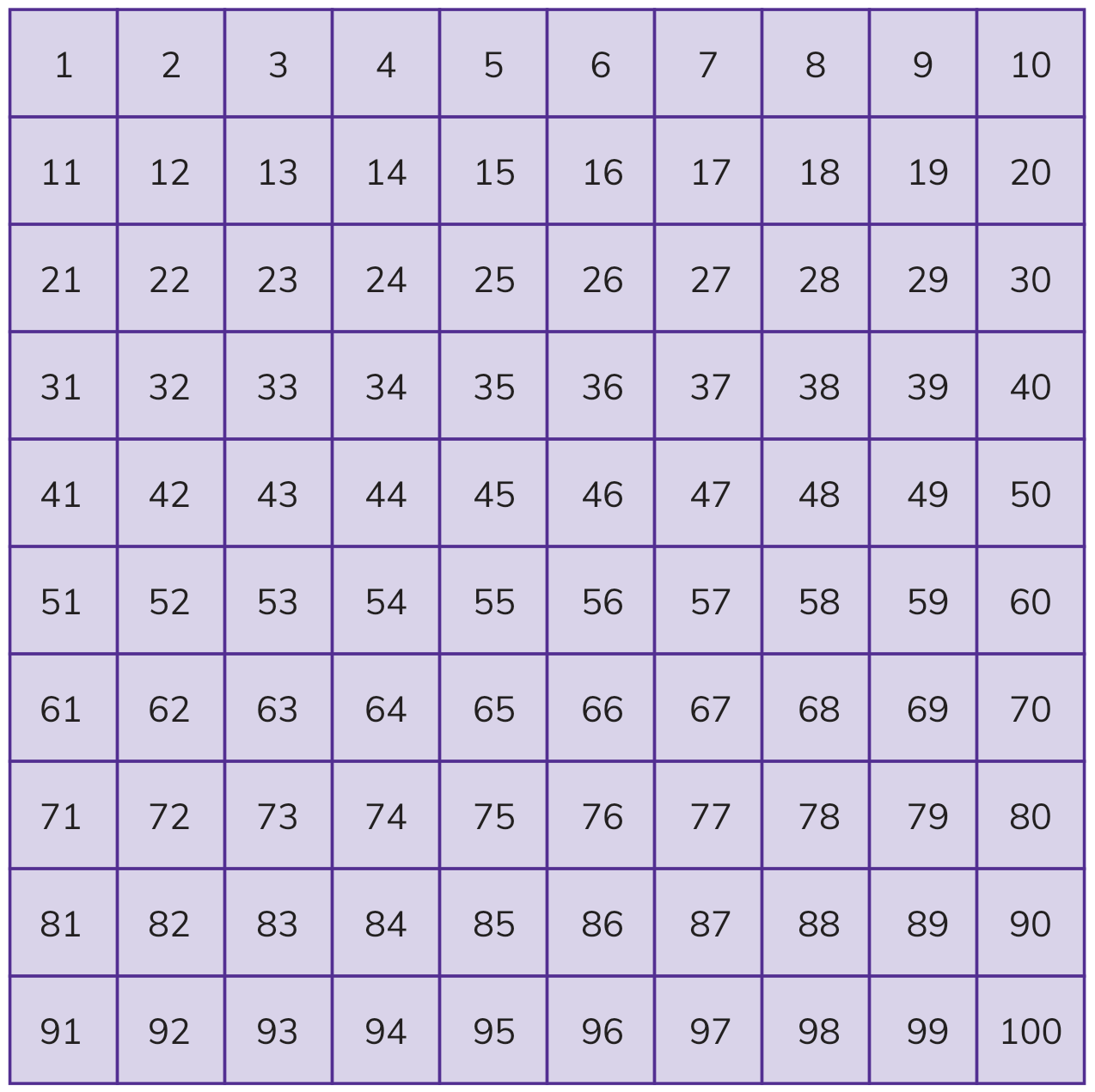
How is every row in the 100 square the same? How is every row different? Talk about what you notice with your partner or in a small group.
Which 2-digit number is represented below?
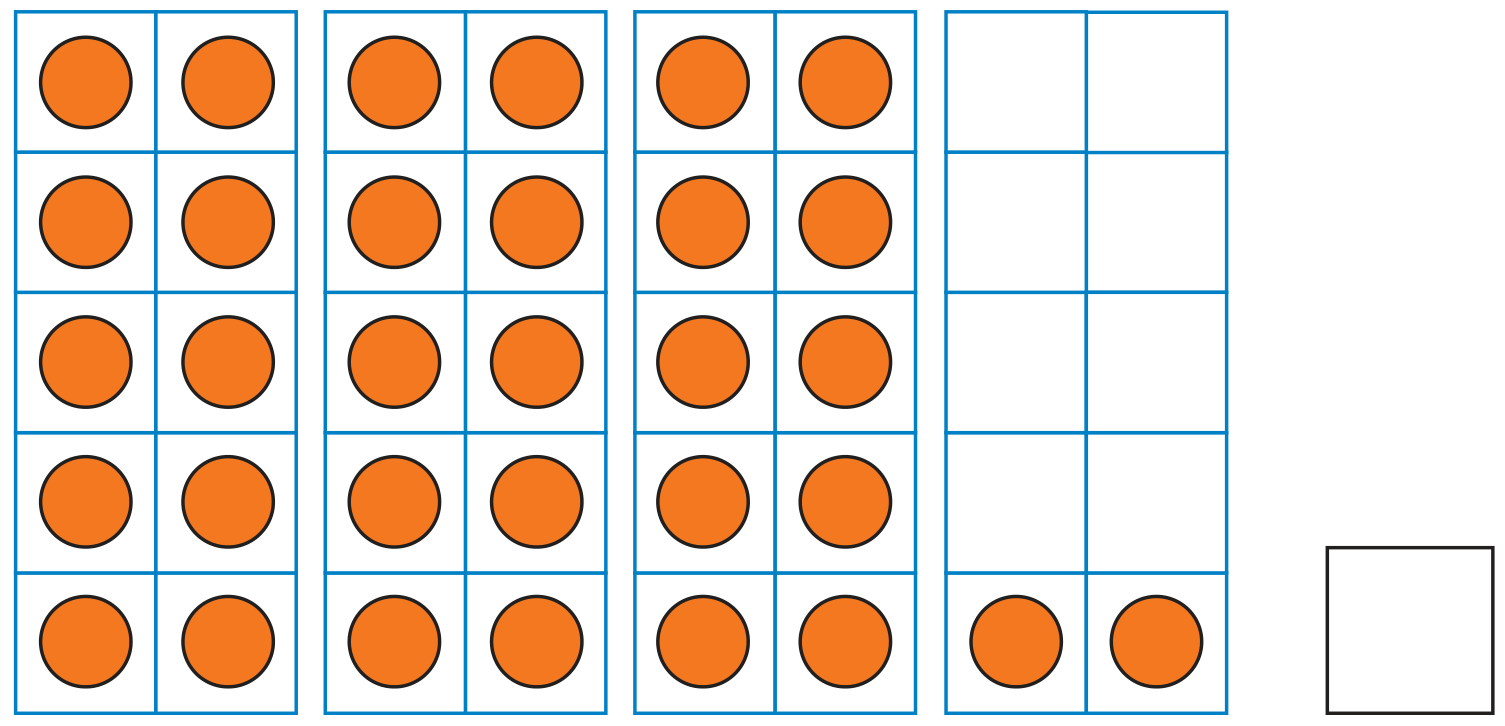
Write the number in digits.
Which 2-digit number is represented below?
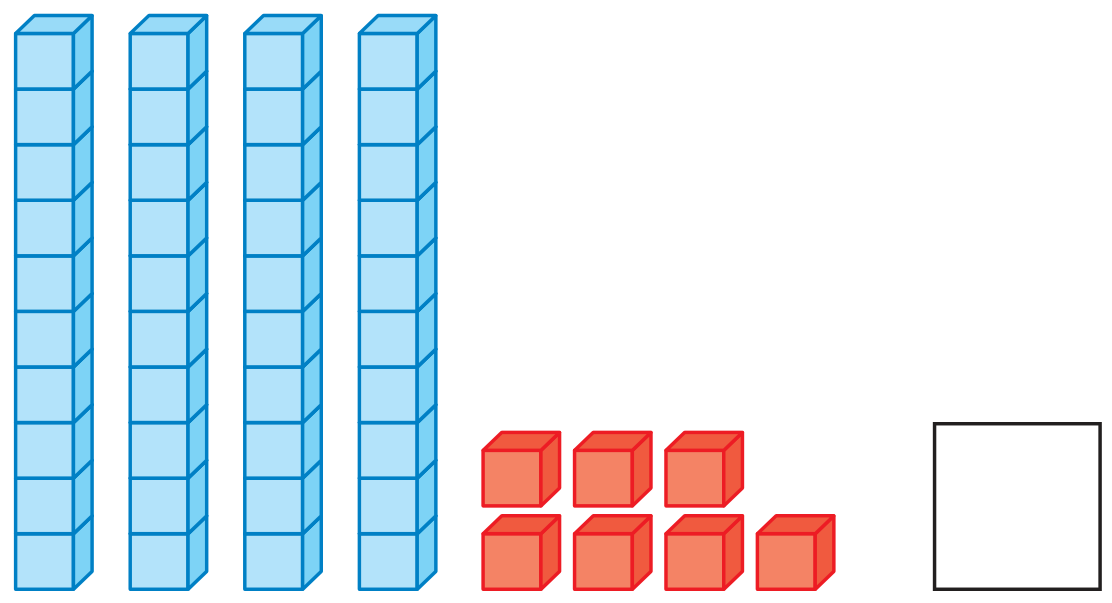
Write the number in digits.
Which 2-digit number is represented below?
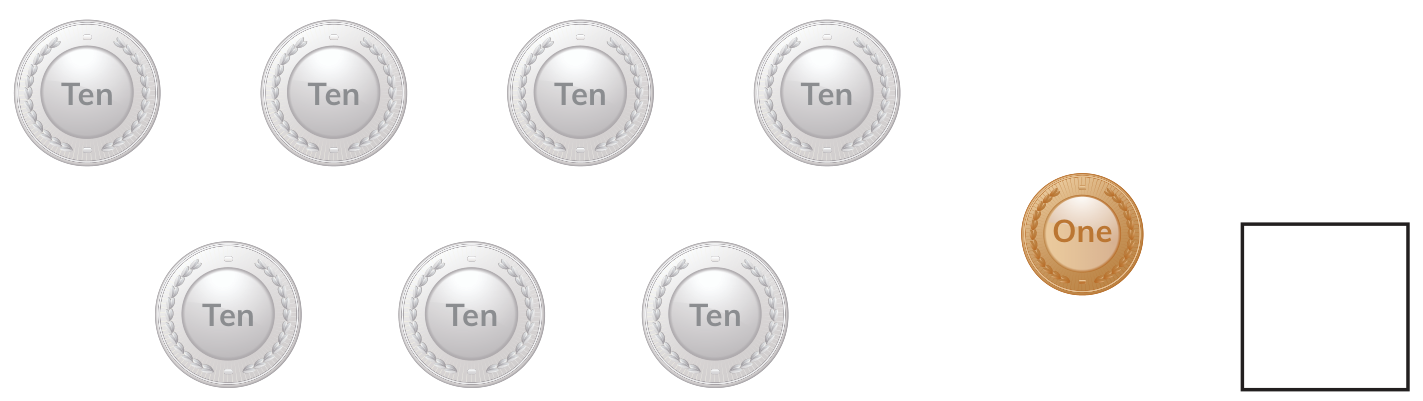
Write the number in digits.
Draw a different representation of the number shown.
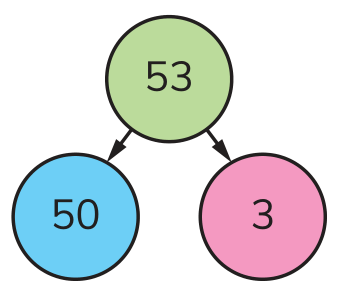
Compare your representation with your partner's. How are they the same? How are they different?
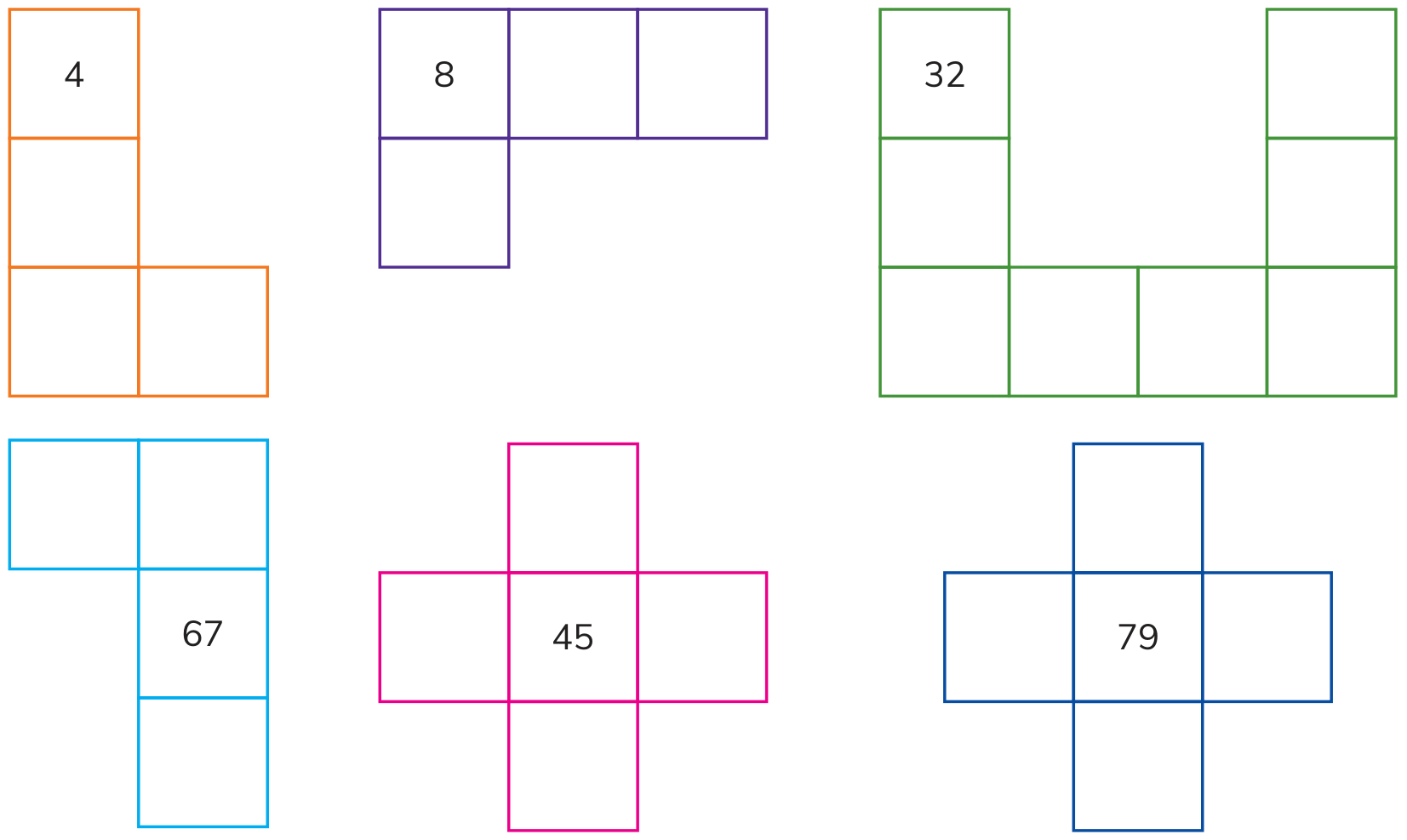
Here are some pieces of a 100 square. Write the missing numbers.
Which tens number is missing from the grid?
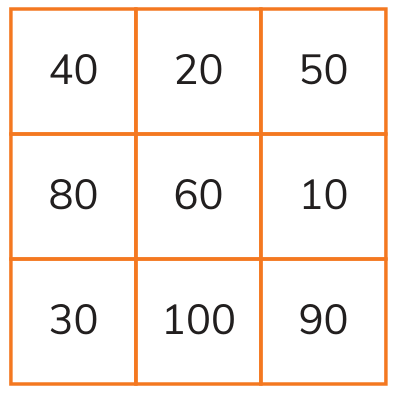
Write the tens numbers in order, from 10 to 100.

Arun and Zara make some numbers. Arun chooses the tens. Zara chooses the ones.
Write each number they make in a part whole diagram.
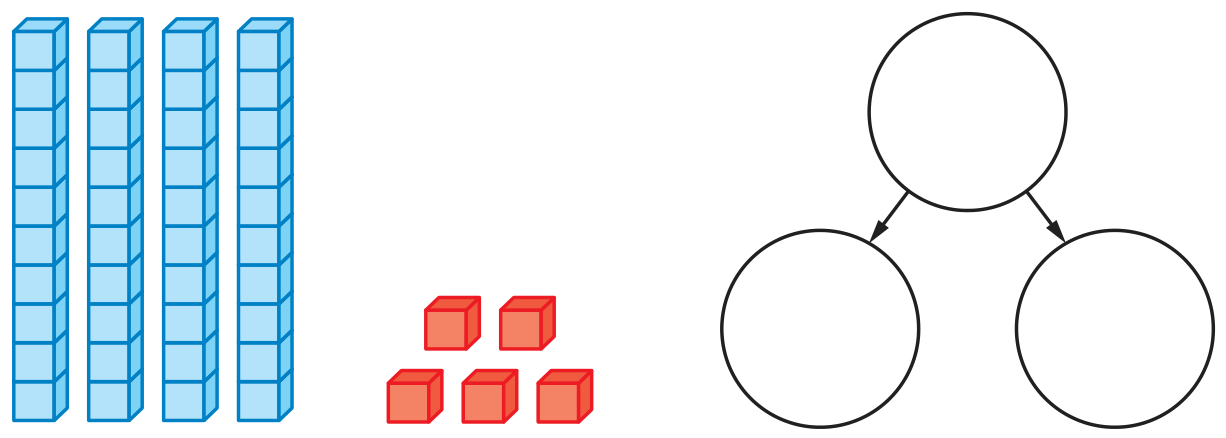
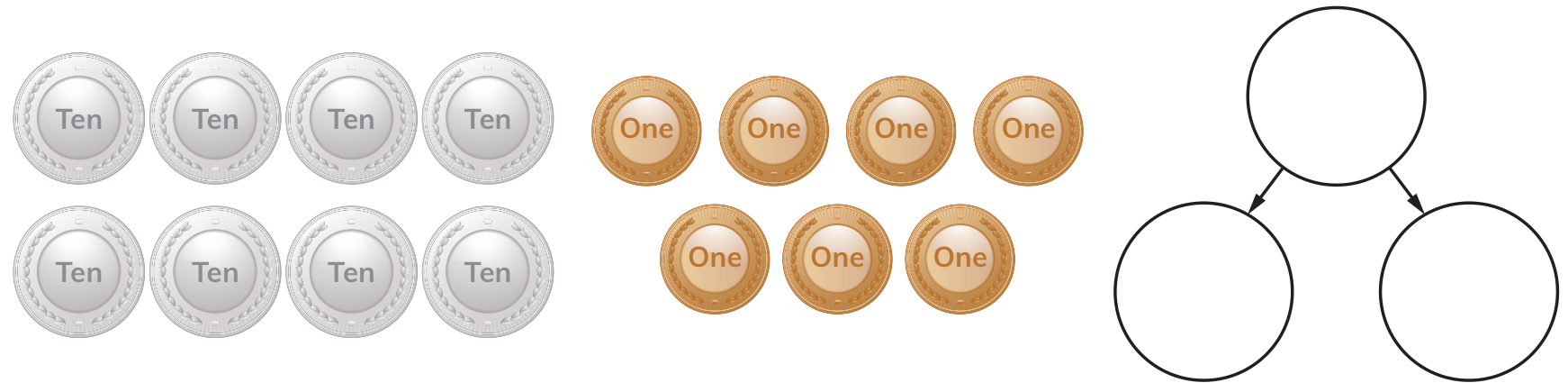
Think about Question 2 again (Arun chooses the tens, Zara chooses the ones).
What if Zara chose zero ones? What can you say about those numbers?
What if Arun chose zero tens? What can you say about those numbers?
How many beans are in this collection? First estimate (10, 20, 50 or 100), then count to check.
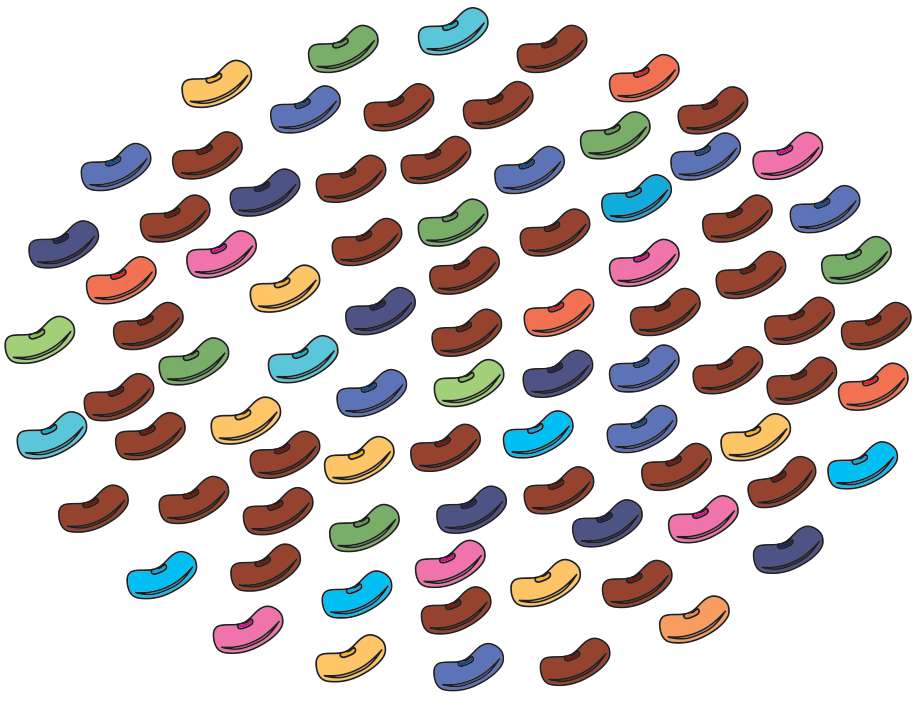
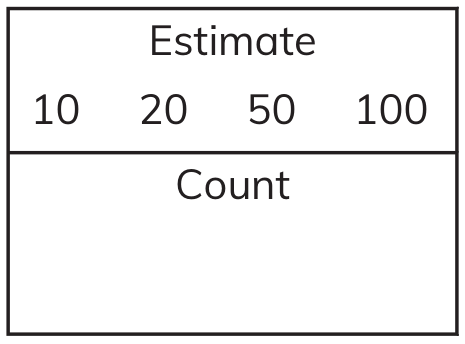
Tip: draw a ring around groups of 10 objects. Count in tens and then in ones.
Write the number you counted.
How many cubes are in this collection? First estimate (10, 20, 50 or 100), then count to check.

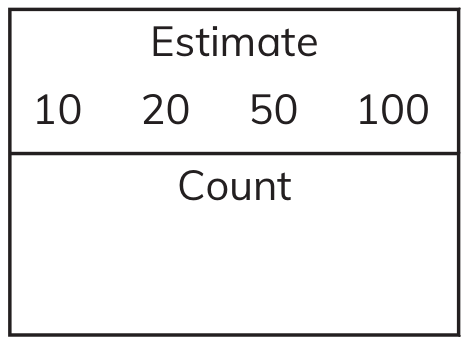
Tip: you could choose to count in twos as well as tens.
Write the number you counted.
Marcus counts from 0 to 100 in twos. Draw a ring around any numbers he does **not** say.
68 7 24 42 37 91 15 86 59 63 8 11 73
Why doesn't Marcus say these numbers?
Zara draws this shape on the 100 square. She says she always has 2 or 3 odd numbers in her shape.
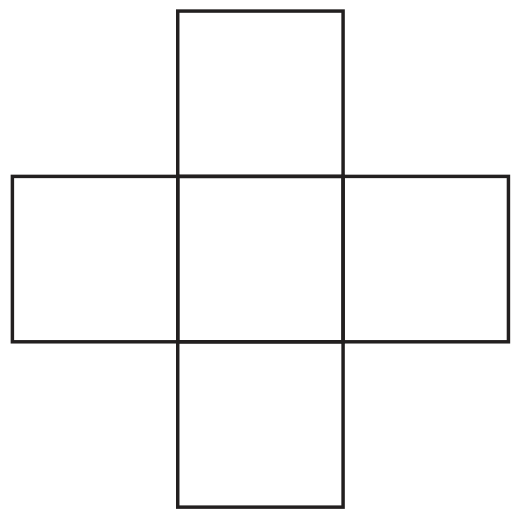
Is Zara correct? Convince your partner that you are correct.
