Skip to content / Đến nội dung
SachHeCam.com

Cambridge Secondary (7-9). Stage 7. MCE Science. Workbook - Unit 6: Materials and Their Structure

Question 1

Fill in the blanks to complete the sentences on the properties of matter in different states.

A liquid has no definite ______, but it has a definite ______. It ______ flow and ______ be compressed.

Question 2

Fill in the blanks. A solid has a definite ______ and ______ flow.

Question 3

Fill in the blanks. A gas has no definite ______ and ______ be compressed.

Question 4

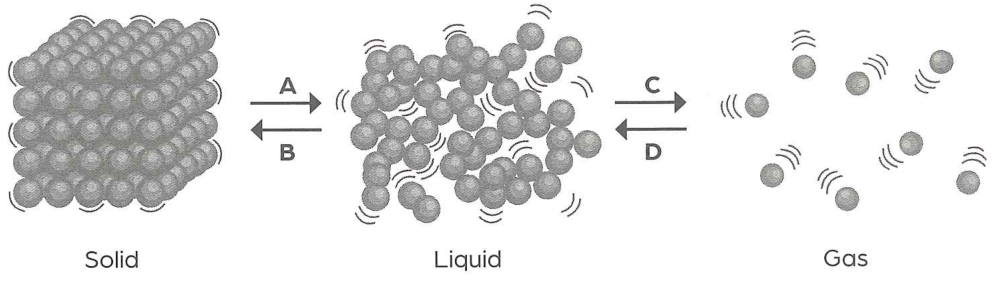
Look at the diagram showing three states of matter as represented by the particle model. What do the particle model and the above diagram say about the arrangement and motion of particles in a liquid?

Question illustration

Question 5

The diagram represents a substance in three states. In which state do particles have the most energy?

Question illustration

Question 6

Complete this table on the changes of state shown in the diagram.

| Process | Name of process | Do particles gain or lose energy during the process? | Do particles move faster or slower during the process? |
|---|---|---|---|
| A | | | |
| B | | | |
| C | | | |
| D | | | |

Question illustration

Question 7

Is the particle model a good representation of substances? Why or why not?

Question 8

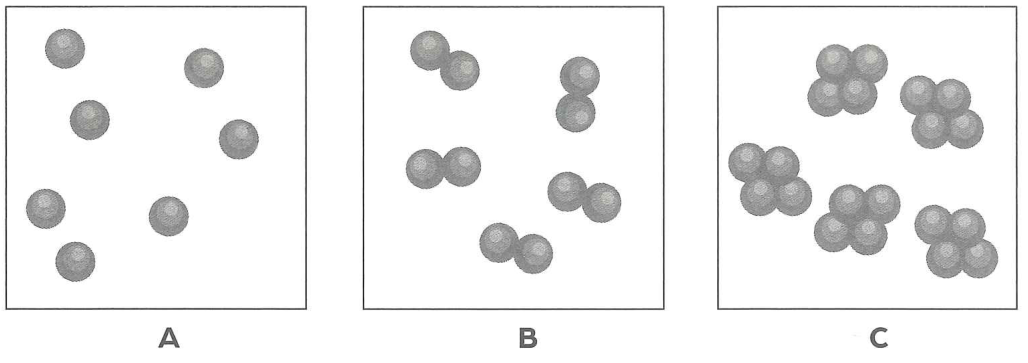
Look at the diagrams of different substances shown below. What does each circle in each diagram represent?

Question illustration

Question 9

Look at the diagrams of different substances shown below. Explain what A represents and give an example.

Question illustration

Question 10

Look at the diagrams of different substances shown below. What do B and C represent?

Question illustration

Question 11

Look at the diagrams of different substances shown below. Are all the circles in B and C likely to represent the same element?

Question illustration

Question 12

Answer the following questions. If you are not sure, refer to the Periodic Table in the Student’s Book. Select the correct chemical symbol from the ones given below for each of the elements listed.

C Ca Cl Co Cr

- chlorine ______
- calcium ______
- carbon ______

Question 13

Write the chemical symbols of the following elements.

- fluorine ______
- sodium ______
- neon ______
- potassium ______

Question 14

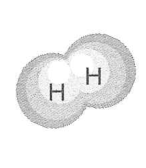
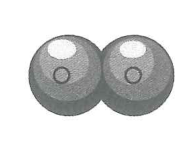
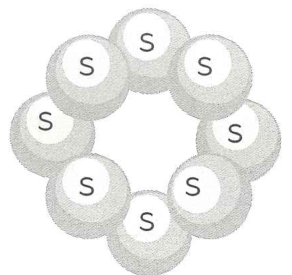
Look at the models of molecules shown below (left to right: H-labelled, O-labelled and S-labelled models). Complete the table.

| | H-labelled model | O-labelled model | S-labelled model |
|---|---|---|---|
| Element in the molecule | | | |
| Number of atoms in one molecule | | | |

Question illustration

Question illustration

Question illustration

Question 15

Look at the models of molecules shown below (left to right: H-labelled, O-labelled and S-labelled models). What is the type of molecules shown in a?

Question illustration

Question illustration

Question illustration

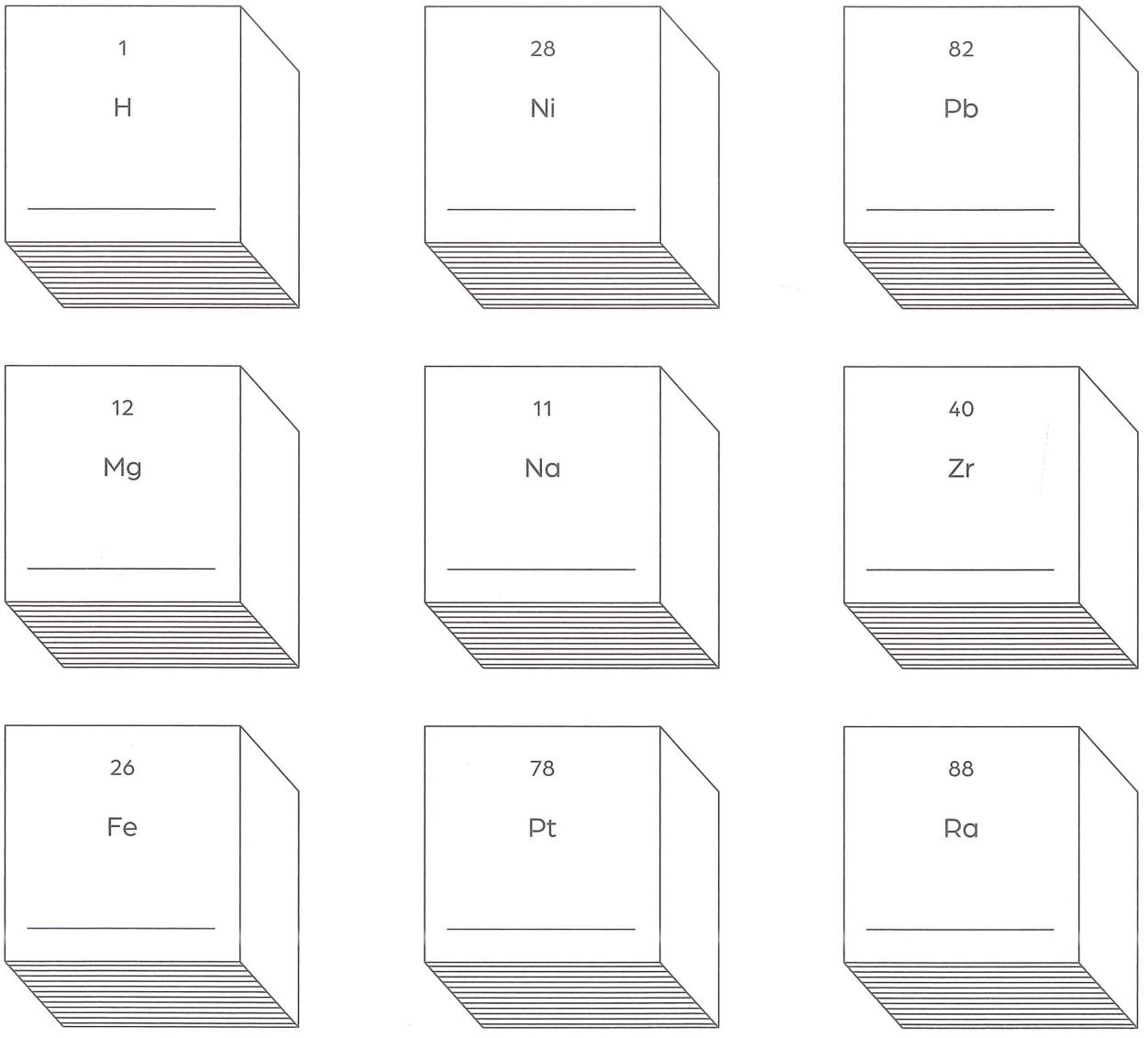
Question 17

Look at the chemical symbols of some elements found in the Periodic Table. Fill in the names of the elements. If you are not sure, refer to the Periodic Table in the Student’s Book.
Question illustration

Question 18

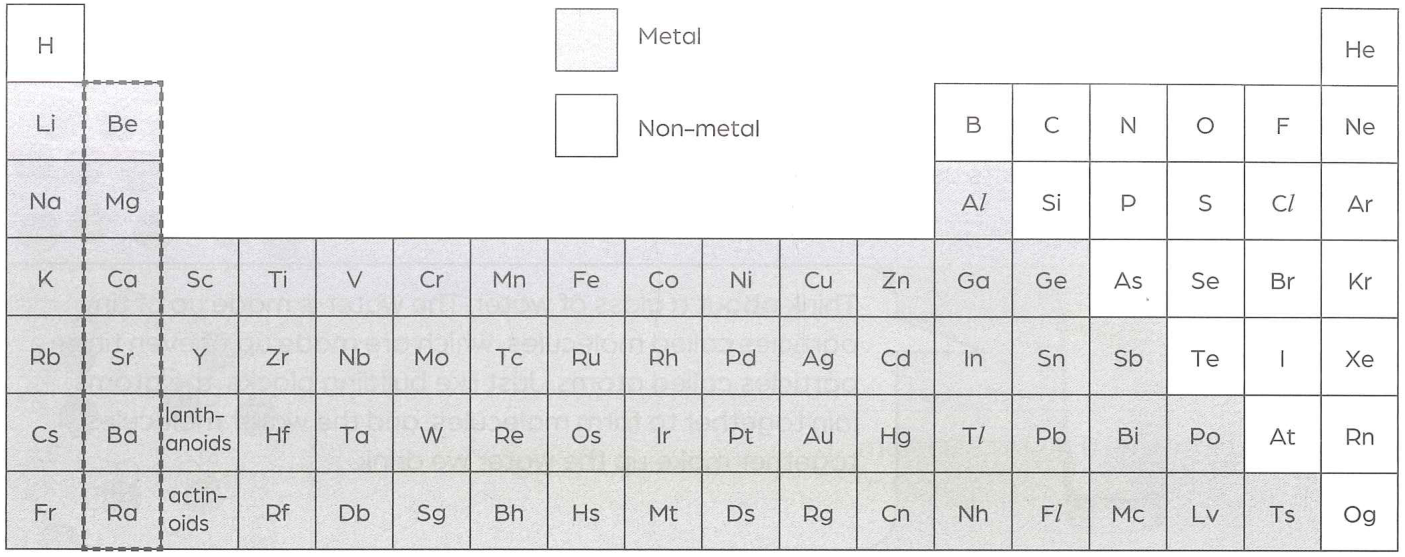
Look at the Periodic Table below and state whether each element named in the following table is a metal or non-metal.

| Name | Metal or non-metal |
|---|---|
| beryllium | ___ |
| magnesium | ___ |
| aluminium | ___ |
| argon | ___ |
| oxygen | ___ |

Question illustration

Question 19

Look at the group with the dotted line. What do the elements in this group have in common?

Question illustration

Question 20

Circle the correct answer.

The Periodic Table contains (more / fewer) metals than non-metals.

Question illustration
  1. more
  2. fewer
0
0
GIỎ HÀNG
Empty CartGIỎ CHƯA CÓ GÌQUAY LẠI SHOP