Question 26
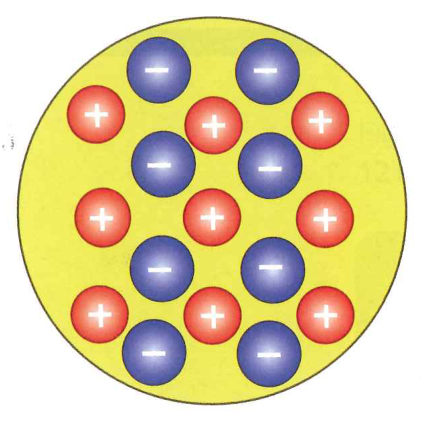
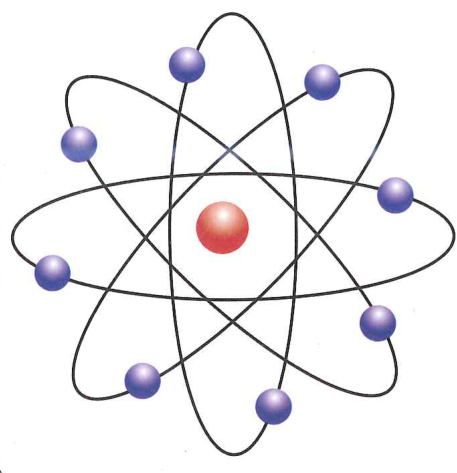
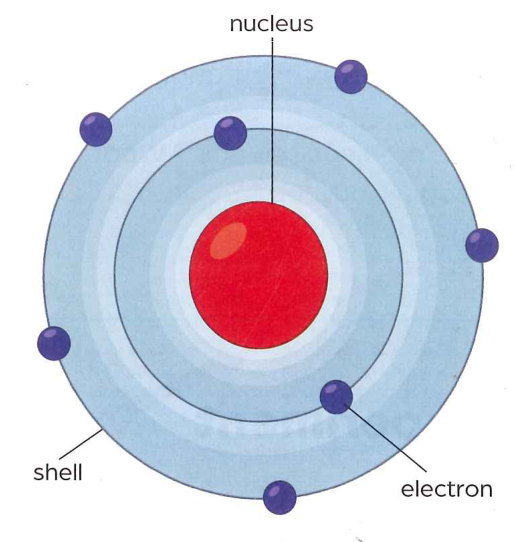
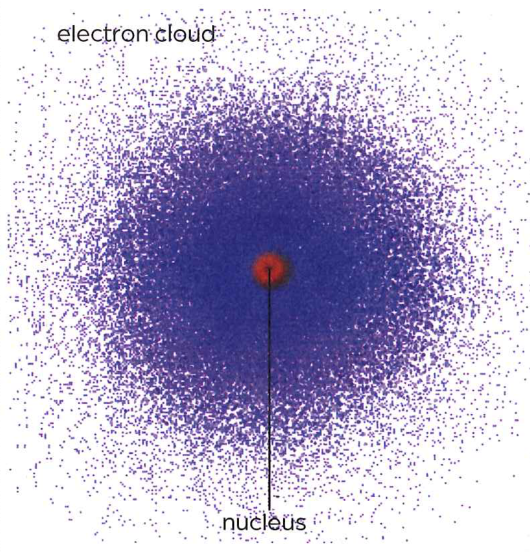
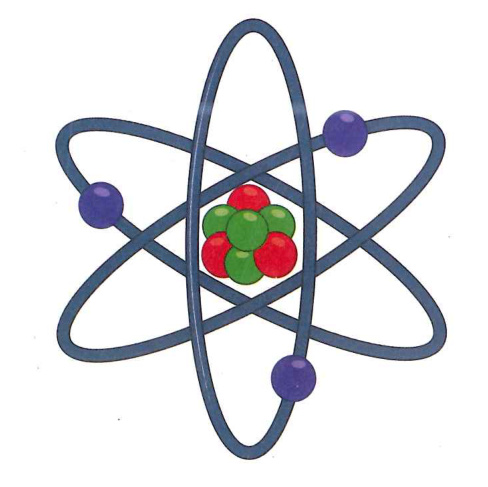
Table 4.2 shows six historical models: Dalton (1803), tiny indivisible balls; Thomson (1904), negative electrons embedded in positive material (called proton “soup” in the book); Rutherford (1911), a small heavy nucleus with electrons moving around it; Bohr (1913), electrons in shells; Schrödinger (1926), an electron cloud around the nucleus; Chadwick (1932), neutral neutrons as well as positive protons in the nucleus. These are simplified models, not exact pictures.
What does this tell us about how scientific knowledge is built up?

Share your answers with the class.
What does this tell us about how scientific knowledge is built up?
Share your answers with the class.
