Question 3
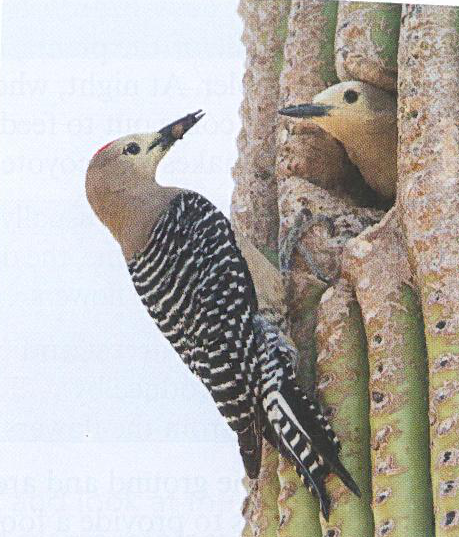
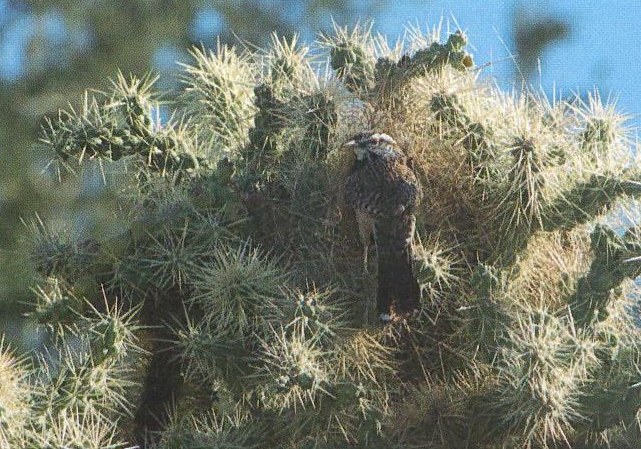
Gila woodpeckers make holes in the cacti, to make their nests. Other birds also visit these holes. Cactus wrens often use a different kind of cactus, called a teddy bear cholla, to make their nests. Teddy bear chollas are so spiky that very few other animals will get close to them. So the cactus wren’s eggs and young ones are protected from predators.
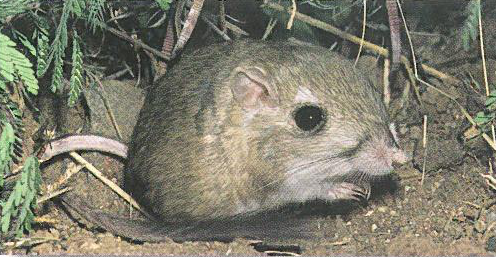
During the hot days, lizards, tortoises and other animals rest in the shade of the plants, or burrow into the soil where it is cooler. At night, when the temperature falls, kangaroo rats come out to feed, wary of their predators such as rattlesnakes and coyotes.
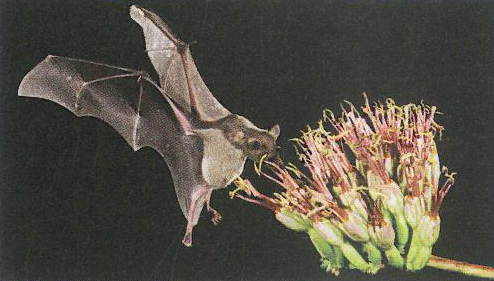
Insects feed on the nectar and pollen in the flowers, helping the plants to reproduce by pollinating them. At night, bats feed on nectar from the flowers of agave plants.
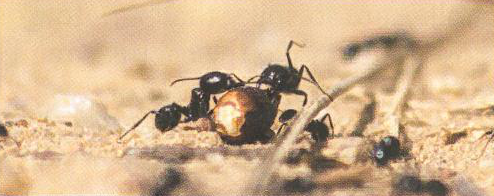
Seeds fall to the ground and are collected by ants, to take into their nests to provide a food store. Many months or years later, some of the uneaten seeds may germinate to produce new plants.
Interactions between organisms in the desert
Work with a partner.
You will need:
• a large sheet of paper • coloured pens
• (optional) pictures of the animals and plants in the desert, that you can cut out
• (optional) scissors and glue
Read the information about life in the Arizona Sonoran Desert, and look at the photographs. Make a list of different ways that the animals and plants interact with one another.
Now think about how you could show these interactions in a picture.
On a piece of rough paper, make a rough sketch of the design for your picture.
Build up your picture on a large sheet of paper. You could draw pictures of the organisms, or stick cut-out pictures of them onto the paper.
Write descriptions about how they interact with each other.
During the hot days, lizards, tortoises and other animals rest in the shade of the plants, or burrow into the soil where it is cooler. At night, when the temperature falls, kangaroo rats come out to feed, wary of their predators such as rattlesnakes and coyotes.
Insects feed on the nectar and pollen in the flowers, helping the plants to reproduce by pollinating them. At night, bats feed on nectar from the flowers of agave plants.
Seeds fall to the ground and are collected by ants, to take into their nests to provide a food store. Many months or years later, some of the uneaten seeds may germinate to produce new plants.
Interactions between organisms in the desert
Work with a partner.
You will need:
• a large sheet of paper • coloured pens
• (optional) pictures of the animals and plants in the desert, that you can cut out
• (optional) scissors and glue
Read the information about life in the Arizona Sonoran Desert, and look at the photographs. Make a list of different ways that the animals and plants interact with one another.
Now think about how you could show these interactions in a picture.
On a piece of rough paper, make a rough sketch of the design for your picture.
Build up your picture on a large sheet of paper. You could draw pictures of the organisms, or stick cut-out pictures of them onto the paper.
Write descriptions about how they interact with each other.
