Question 54
**Source context:** The following is the original textbook debate scenario, not current medical guidance or a statement of today’s WHO/WWF policies. Its statistics, map, legal counts and vaccine descriptions are historical.
Most microorganisms are not harmful. But some microorganisms cause disease. Malaria is a serious disease that is caused by a microscopic protozoan.
The microorganism that causes malaria is spread by mosquitoes. In some countries, a chemical called DDT is used to kill mosquitoes. This reduces the number of cases of malaria.
Unfortunately, DDT harms other animals as well as mosquitoes.
- The World Health Organization, WHO, thinks we need to carry on using DDT until better alternatives are found, to save thousands of human lives.
- The Worldwide Fund for Nature, WWF, thinks we need to stop using DDT as soon as possible, to protect the environment.
Work in a group of three or four. You are going to pretend that you represent the WHO or the WWF. Your task is to put together a case to support your point of view. You will then use your ideas in a debate about the different points of view.
You can use the information on these pages. You may also want to look for other information on the internet. When you do this:
- think carefully about who has produced the web pages you are looking at, and decide whether you can trust the information to be unbiased
- decide how relevant the information is to this task and use only the most relevant information.
**DDT and food chains**
DDT does not break down completely in an animal’s body. When an animal eats another animal that has DDT in its body, it also eats the DDT. If an animal moves from one place to another, it takes the DDT with it.
**DDT effects on animals**
DDT is very poisonous to fish, and quite poisonous to frogs and other amphibians. We are not sure yet how poisonous DDT is to humans.
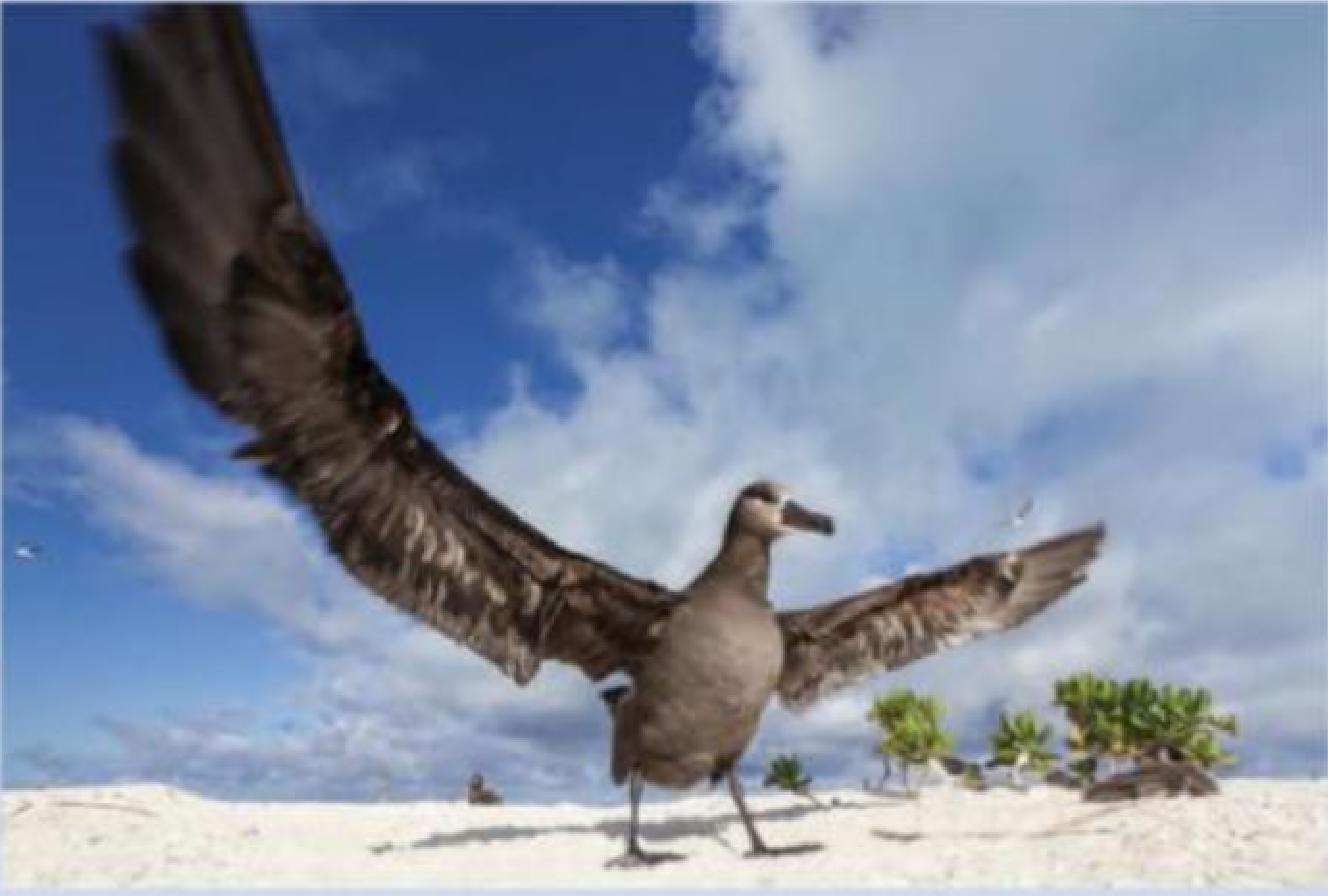
Midway Atoll, where this black-footed albatross lives, is thousands of miles from any land where DDT is used. But DDT has been found in the albatrosses there.
**DDT and birds of prey**
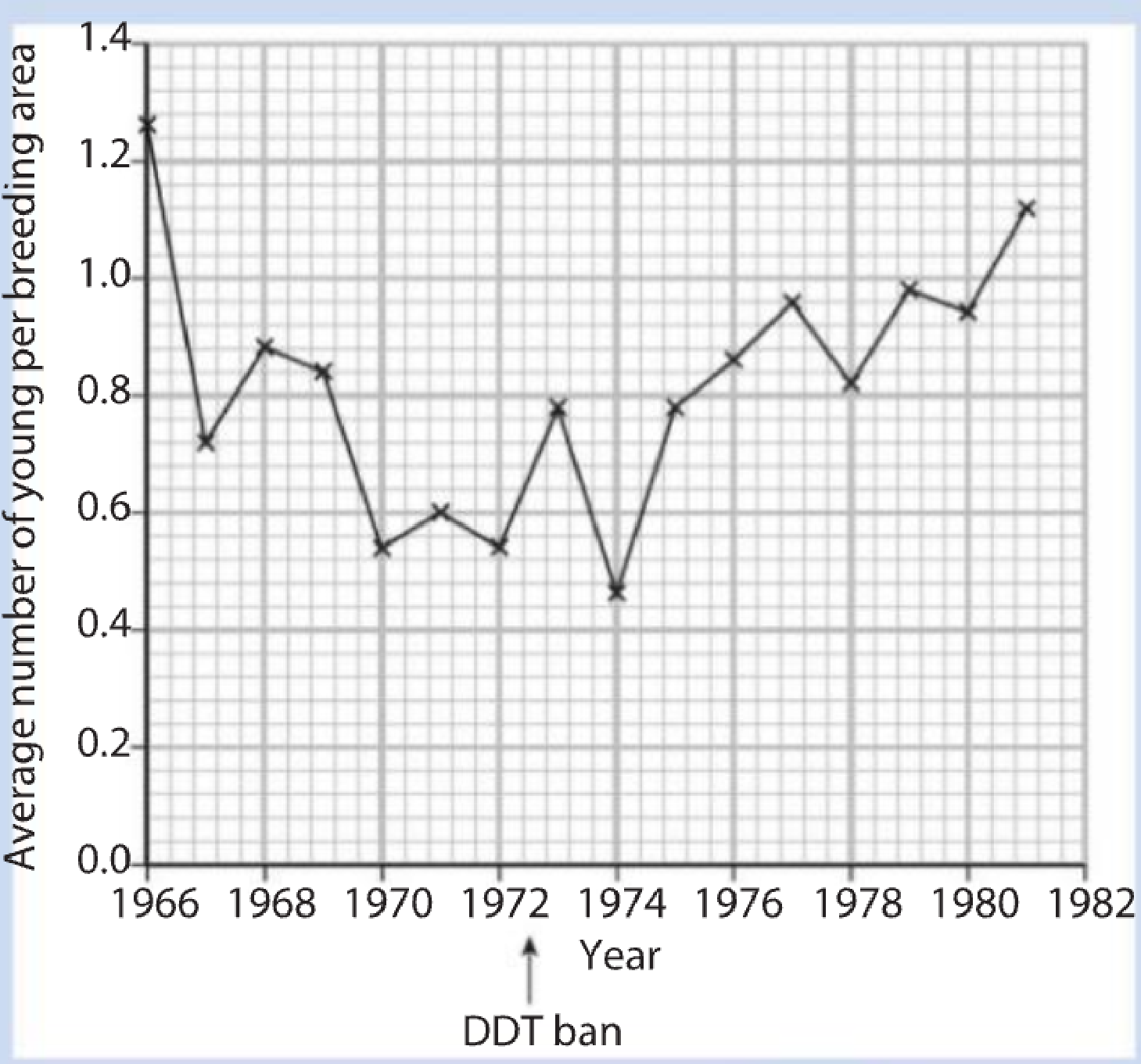
DDT in birds of prey makes the shells of their eggs very thin. The eggs break before the young birds hatch. In the USA, numbers of bald eagles fell when DDT was used. DDT was banned in 1972.
**Indoor residual spraying**
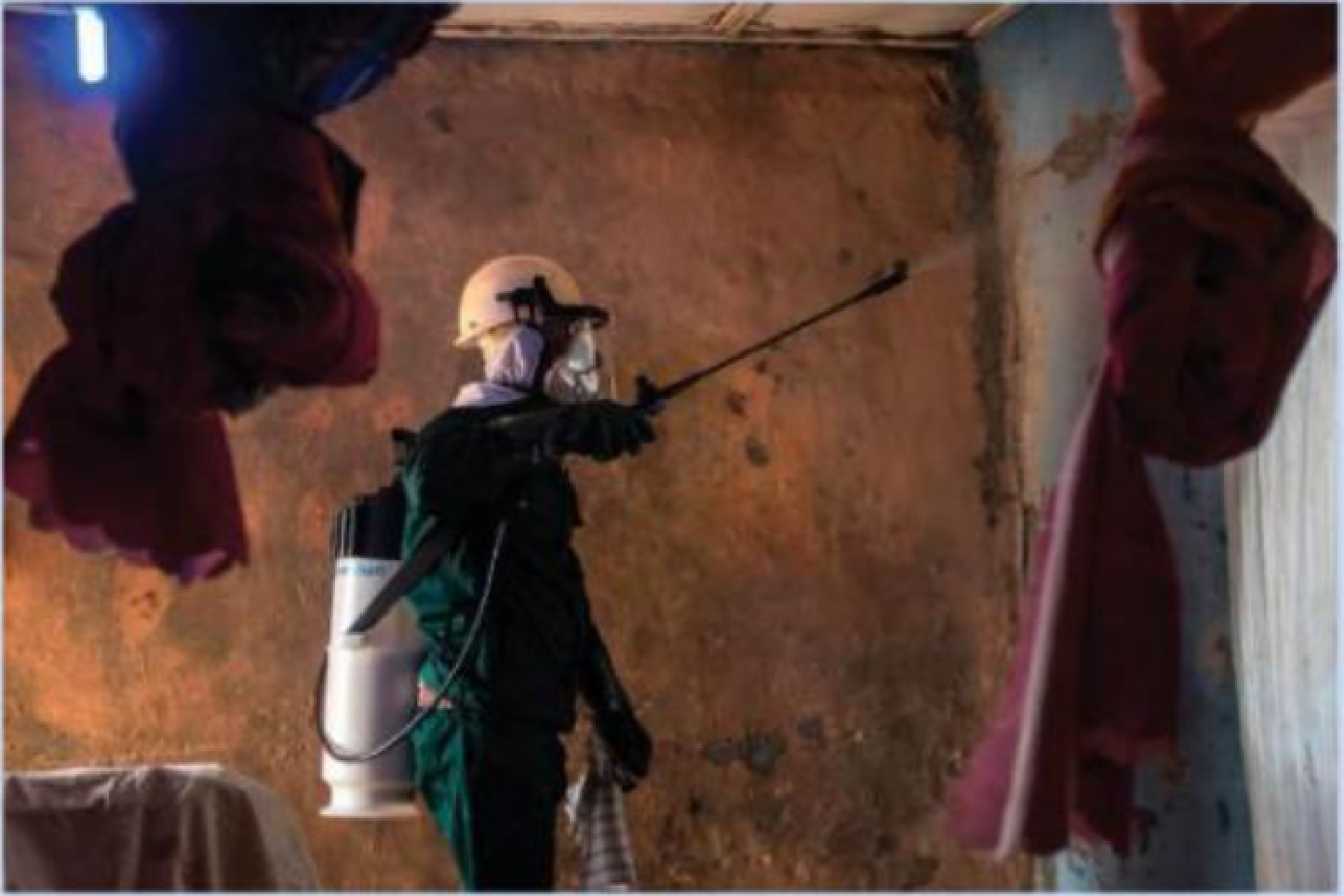
In many countries where malaria is present, DDT is sprayed inside houses. The DDT sticks to the walls and kills mosquitoes. The DDT continues to work for up to 6 months. This method needs much less DDT to control mosquitoes than spraying it outside.
**Deaths from malaria**
In 2015, 212 million people had malaria. 429 000 people died from it. In 2016, there were 216 million cases and 445 000 deaths. In 2019, there were 229 million cases and 409 000 deaths.
More than two-thirds of people dying from malaria are children under the age of 5.
**Where is malaria present?**
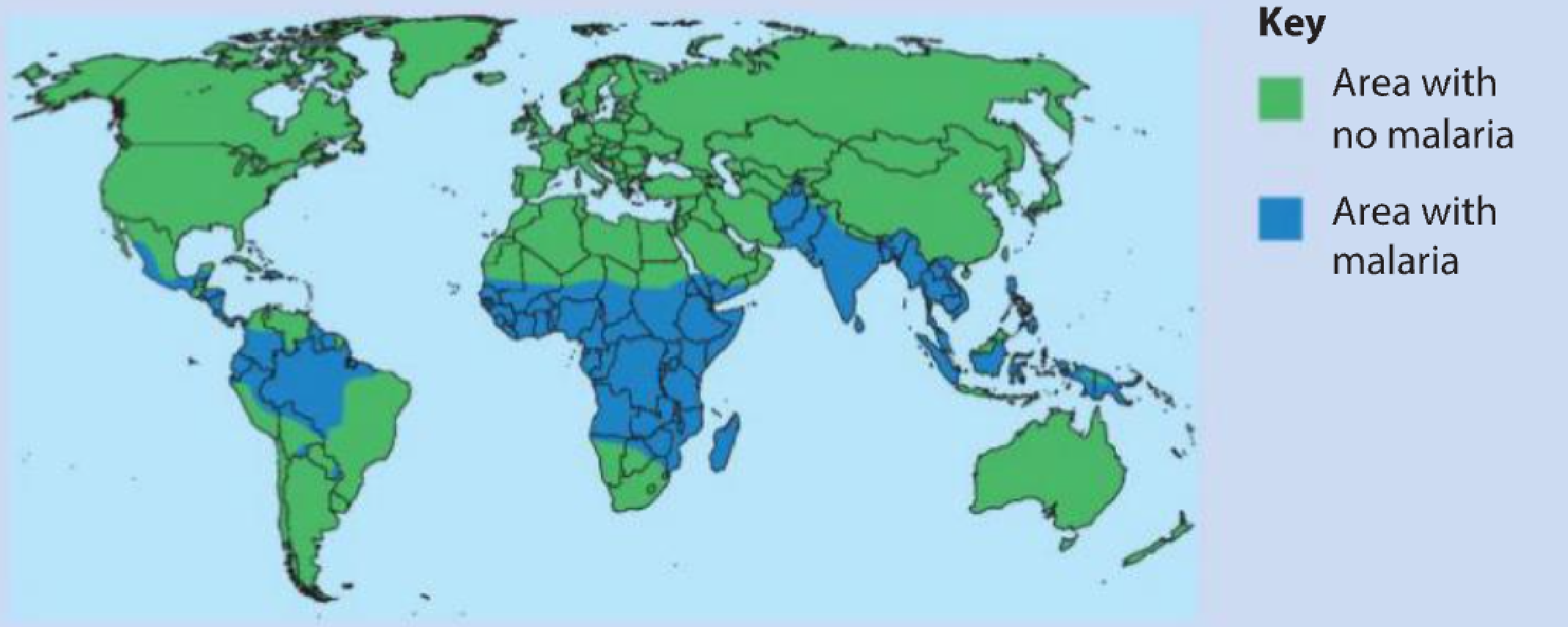
Malaria occurs where the mosquitoes that transmit it live. These mosquitoes only live in tropical or subtropical countries.
**Malaria and global warming**
The Earth’s mean temperature is increasing. This may mean that the mosquitoes that transmit malaria may be able to move into new areas.
**Other methods of controlling malaria**
Other chemicals can be used to kill mosquitoes. However, most of these are much more expensive than DDT.
Sleeping under a bed net can help to reduce the risk of being bitten by a mosquito.
**A malaria vaccine?**
Scientists are trying to make a vaccine for malaria. The best one they have found so far needs four injections. It only halves the risk of getting malaria.
**DDT persistence**
DDT is a persistent chemical. This means that it lasts for a long time. If DDT gets into a lake or river, over half of the DDT will still be there 150 years later.
**Where is DDT used?**
DDT has been completely banned in 34 countries. Many countries, including India and many African countries, still use DDT.
Most microorganisms are not harmful. But some microorganisms cause disease. Malaria is a serious disease that is caused by a microscopic protozoan.
The microorganism that causes malaria is spread by mosquitoes. In some countries, a chemical called DDT is used to kill mosquitoes. This reduces the number of cases of malaria.
Unfortunately, DDT harms other animals as well as mosquitoes.
- The World Health Organization, WHO, thinks we need to carry on using DDT until better alternatives are found, to save thousands of human lives.
- The Worldwide Fund for Nature, WWF, thinks we need to stop using DDT as soon as possible, to protect the environment.
Work in a group of three or four. You are going to pretend that you represent the WHO or the WWF. Your task is to put together a case to support your point of view. You will then use your ideas in a debate about the different points of view.
You can use the information on these pages. You may also want to look for other information on the internet. When you do this:
- think carefully about who has produced the web pages you are looking at, and decide whether you can trust the information to be unbiased
- decide how relevant the information is to this task and use only the most relevant information.
**DDT and food chains**
DDT does not break down completely in an animal’s body. When an animal eats another animal that has DDT in its body, it also eats the DDT. If an animal moves from one place to another, it takes the DDT with it.
**DDT effects on animals**
DDT is very poisonous to fish, and quite poisonous to frogs and other amphibians. We are not sure yet how poisonous DDT is to humans.
Midway Atoll, where this black-footed albatross lives, is thousands of miles from any land where DDT is used. But DDT has been found in the albatrosses there.
**DDT and birds of prey**
DDT in birds of prey makes the shells of their eggs very thin. The eggs break before the young birds hatch. In the USA, numbers of bald eagles fell when DDT was used. DDT was banned in 1972.
**Indoor residual spraying**
In many countries where malaria is present, DDT is sprayed inside houses. The DDT sticks to the walls and kills mosquitoes. The DDT continues to work for up to 6 months. This method needs much less DDT to control mosquitoes than spraying it outside.
**Deaths from malaria**
In 2015, 212 million people had malaria. 429 000 people died from it. In 2016, there were 216 million cases and 445 000 deaths. In 2019, there were 229 million cases and 409 000 deaths.
More than two-thirds of people dying from malaria are children under the age of 5.
**Where is malaria present?**
Malaria occurs where the mosquitoes that transmit it live. These mosquitoes only live in tropical or subtropical countries.
**Malaria and global warming**
The Earth’s mean temperature is increasing. This may mean that the mosquitoes that transmit malaria may be able to move into new areas.
**Other methods of controlling malaria**
Other chemicals can be used to kill mosquitoes. However, most of these are much more expensive than DDT.
Sleeping under a bed net can help to reduce the risk of being bitten by a mosquito.
**A malaria vaccine?**
Scientists are trying to make a vaccine for malaria. The best one they have found so far needs four injections. It only halves the risk of getting malaria.
**DDT persistence**
DDT is a persistent chemical. This means that it lasts for a long time. If DDT gets into a lake or river, over half of the DDT will still be there 150 years later.
**Where is DDT used?**
DDT has been completely banned in 34 countries. Many countries, including India and many African countries, still use DDT.
