Skip to content / Đến nội dung
SachHeCam.com

Cambridge Secondary (7-9). Stage 7. MCE Science. Student Book - Unit 9: Chemical Reactions

Question 1

One of the United Nation’s Sustainable Development Goals is to promote sustainable agriculture and end hunger. To end hunger, we need to be able to produce enough good-quality nutritious food for everyone.

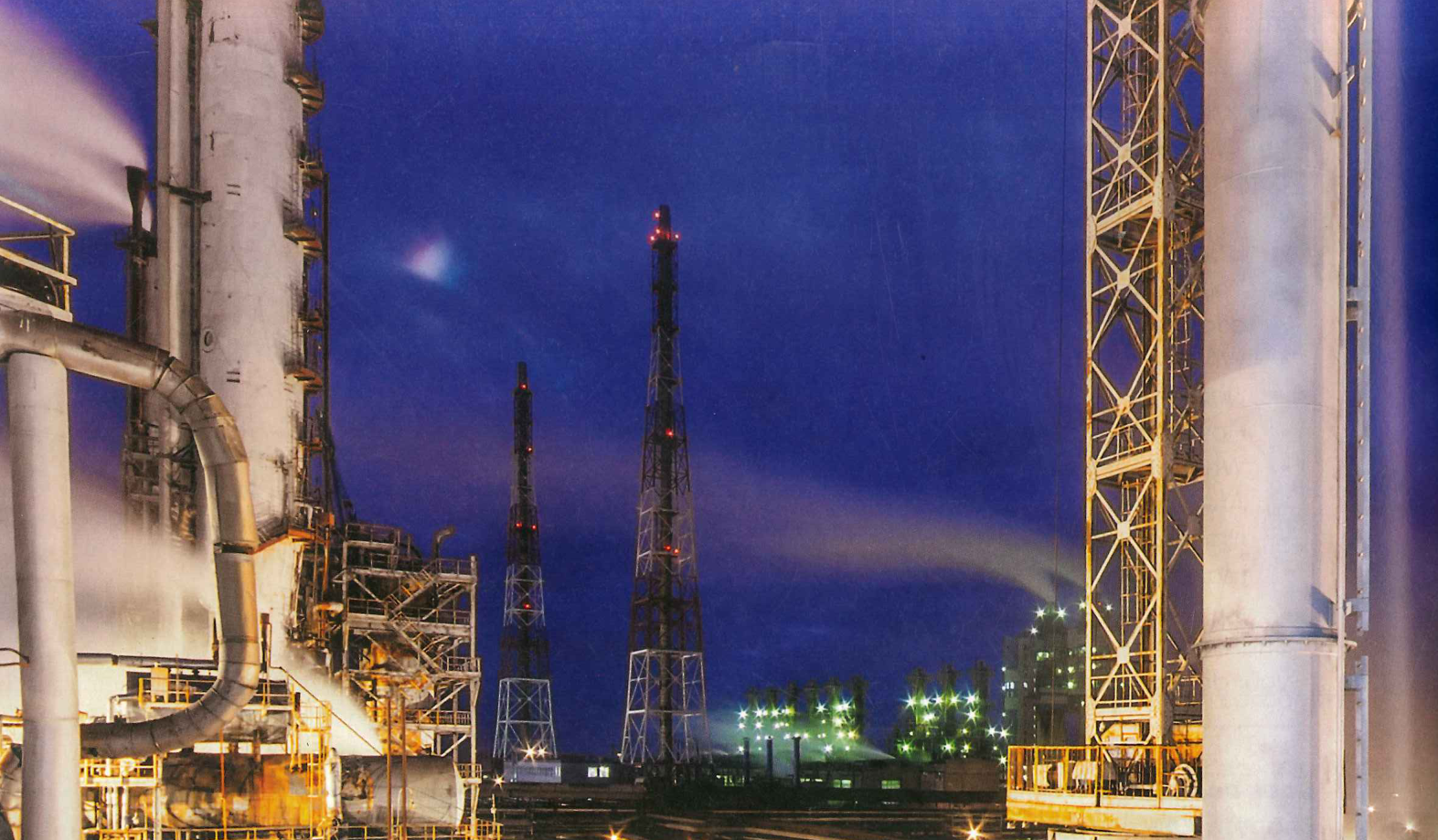
Most farmers use fertilisers so that their crops grow well. Fertilisers replace the nutrients that the crops take from the soil. These are made using chemical reactions at huge industrial plants that use a lot of energy, like the one in this picture.

However, if fertilisers are not used carefully, they can harm the environment, and even our health.

Question illustration

How can we manufacture and use fertilisers sustainably to prevent damage to the environment?

Question 2

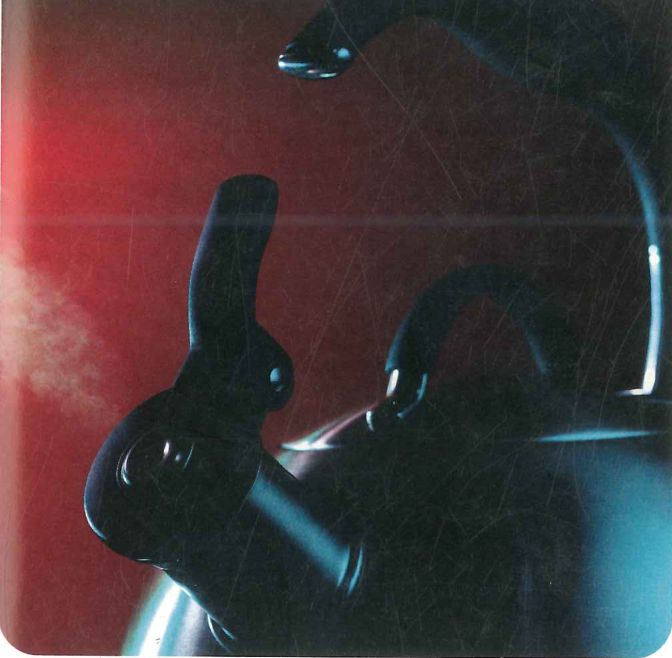
Look at Figure 9.1. What do you think caused the change in matter in each picture?

Picture 1: Water changing into water vapour and steam.

Question illustration

Question 3

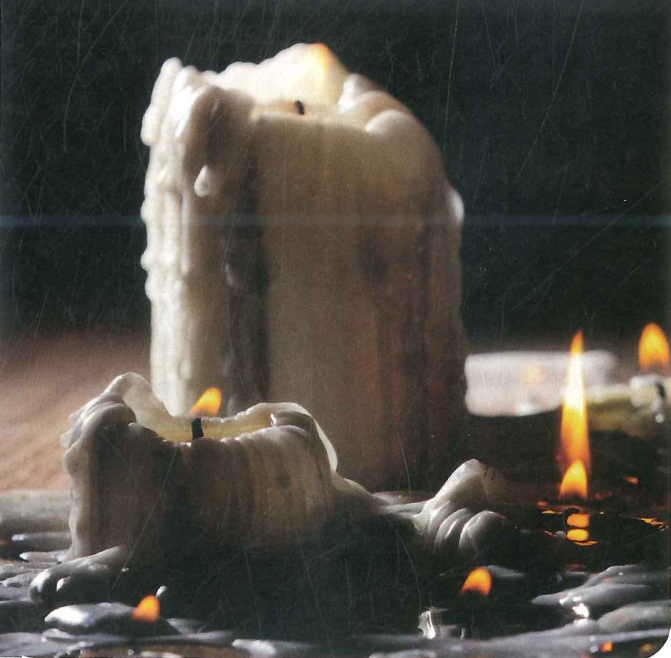
Look at Figure 9.1. What do you think caused the change in matter in each picture?

Picture 2: Candle wax melting and burning.

Question illustration

Question 4

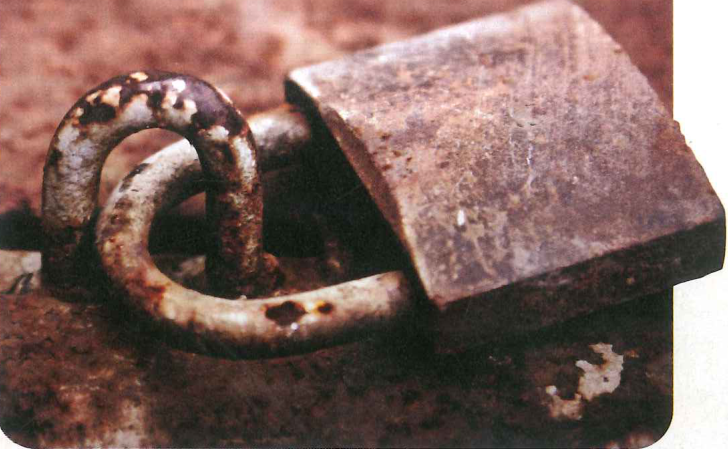
Look at Figure 9.1. What do you think caused the change in matter in each picture?

Picture 3: Iron padlock rusting.

Question illustration

Question 5

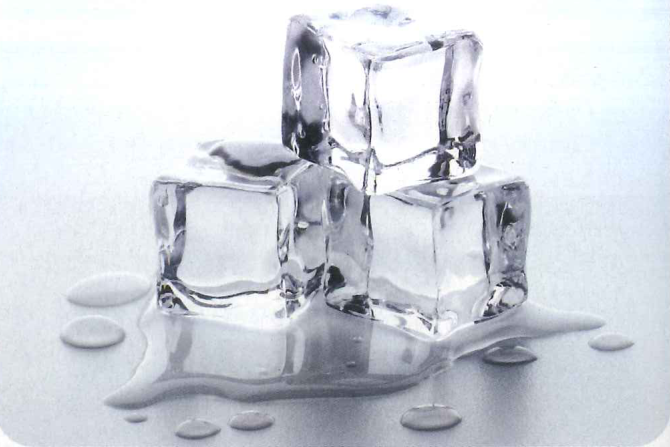
Look at Figure 9.1. What do you think caused the change in matter in each picture?

Picture 4: Ice blocks melting.

Question illustration

Question 6

Look at Figure 9.1. What do you think caused the change in matter in each picture?

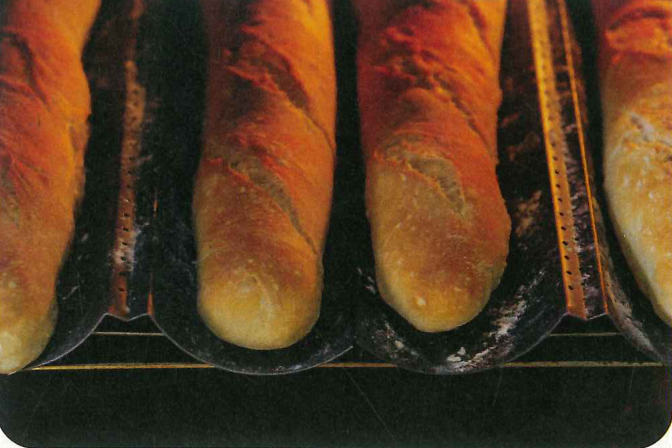
Picture 5: Dough changing into bread.

Question illustration

Question 7

Look at Figure 9.1. What do you think caused the change in matter in each picture?

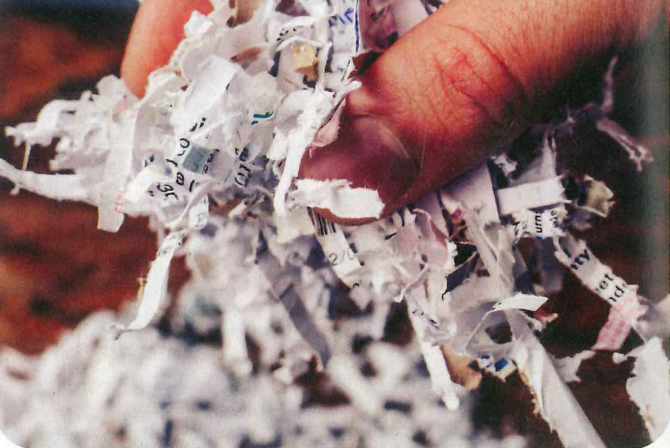
Picture 6: Paper being shredded into tiny pieces.

Question illustration

Question 8

If you burn oil, a chemical change takes place. The oil reacts with oxygen to produce carbon dioxide and water. If you could trap those products, you would not be able to reverse the reaction and turn them back into oil.

However, there is a way to make oil from carbon dioxide and water. Think about the oils you know—mineral oil made from plants that died millions of years ago, or palm oil or sunflower oil made from plants. How do plants make oil?

Question 9

Look at Figure 9.2. The photographs all show changes happening.

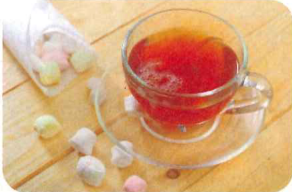
a. Sugar dissolving in hot tea

Question illustration

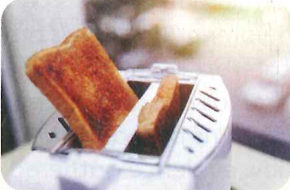
b. Bread being toasted

Question illustration

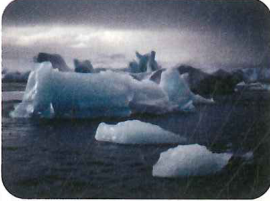
c. Iceberg melting

Question illustration

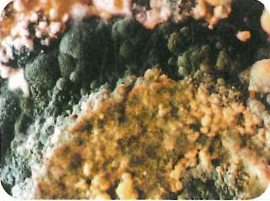
d. Mould forming on food

Question illustration

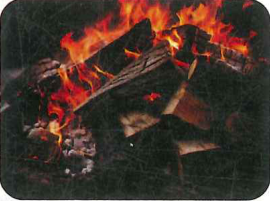
e. Wood burning

Question illustration

Which are physical changes and which are chemical changes? Record your answers and your reasons in a table like the one below.

| Change | Physical or chemical, and why? |
|---|---|
| a | |
| b | |
| c | |
| d | |
| e | |

Question 10

Explain the difference between chemical and physical changes.

Question 11

Give one example of a chemical change (a chemical reaction).

Question 13

How do we know that a chemical reaction takes place when wood is burnt? We can see that only ash remains.

Question 15

Write a word equation to represent each chemical reaction: Iron and sulfur react to form iron sulfide.

Question 16

Write a word equation to represent each chemical reaction: Hydrochloric acid and calcium carbonate react to form calcium chloride, carbon dioxide and water.

Question 17

Write a word equation to represent each chemical reaction: Zinc and sulfuric acid react to form zinc sulfate and hydrogen.

Question 18

Copy your answers to question 1. Under each reactant and product, write out the names of the atoms that it contains (so for water, you would list ‘hydrogen’ and ‘oxygen’). Then use highlighter pens to mark each type of atom with a different colour. This will show you how the atoms from the reactants are put together differently to give products during the reactions.

Question 1 reactions: iron + sulfur → iron sulfide; hydrochloric acid + calcium carbonate → calcium chloride + carbon dioxide + water; zinc + sulfuric acid → zinc sulfate + hydrogen.

Question 19

A molecule of nitrogen gas consists of two nitrogen atoms. A molecule of hydrogen gas consists of two hydrogen atoms. These gases react to form ammonia gas, where one molecule consists of one nitrogen atom and three hydrogen atoms.

Draw models of particles to represent this chemical reaction.

Question 20

A molecule of nitrogen gas consists of two nitrogen atoms. A molecule of hydrogen gas consists of two hydrogen atoms. These gases react to form ammonia gas, where one molecule consists of one nitrogen atom and three hydrogen atoms.

Check that the numbers of atoms on either side of the equation are equal.
0
0
GIỎ HÀNG
Empty CartGIỎ CHƯA CÓ GÌQUAY LẠI SHOP