The first aeroplane was invented in 1903 by the Wright Brothers. The Wright Flyer was built with a wooden frame and covered with fabric. Modern-day jet engines are usually made from aluminium and titanium alloys, carbon fibre composites and other plastics. This makes them light, strong and durable. Today, aeroplanes and jets fly higher, faster and for longer periods than ever before, with the help of these materials.
What properties do these materials have that make them so useful?
Aeroplanes run on energy from fossil fuels. A lot of fuel needs to be burnt to power aeroplanes. This increases carbon emissions, which contribute significantly to global warming.
How can the properties of the materials the plane itself is made of affect how much fuel it uses?
Aeroplanes run on energy from fossil fuels. A lot of fuel needs to be burnt to power aeroplanes. This increases carbon emissions, which contribute significantly to global warming.
Aeroplanes run on energy from fossil fuels. A lot of fuel needs to be burnt to power aeroplanes. This increases carbon emissions, which contribute significantly to global warming.
How can all these factors be improved on so that air travel can cause less harm to the environment?
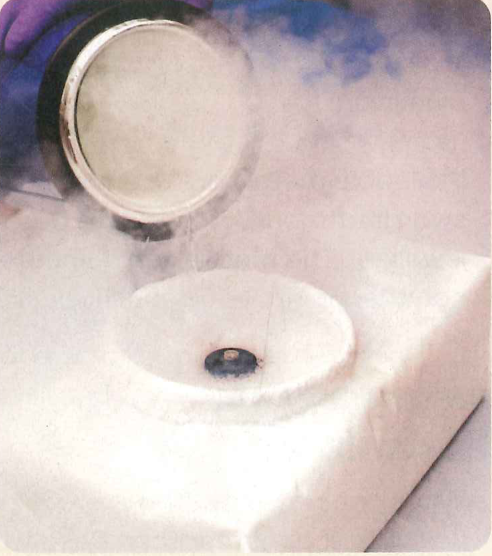
Nitrogen at room temperature is a gas. We can use liquid nitrogen to freeze other substances. When it is poured out of its container (Figure 7.7), it boils, while cooling the air around it and anything that it touches. What do you think the clouds forming around the liquid in the picture are made up of?
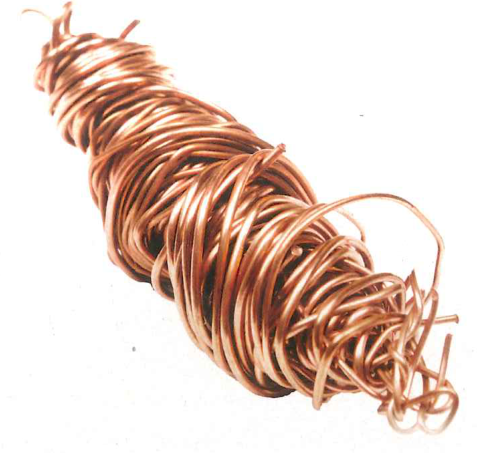
Work in groups to investigate the physical properties of copper wire (Figure 7.12). Discuss how you can test the physical properties of copper wire to answer the following question.
Work in groups to investigate the physical properties of copper wire (Figure 7.12). Discuss how you can test the physical properties of copper wire to answer the following question.
Work in groups to investigate the physical properties of copper wire (Figure 7.12). Discuss how you can test the physical properties of copper wire to answer the following question.
Work in groups to investigate the physical properties of copper wire (Figure 7.12). Discuss how you can test the physical properties of copper wire to answer the following question.
Work in groups to investigate the physical properties of copper wire (Figure 7.12). Discuss how you can test the physical properties of copper wire to answer the following question.
Work in groups to investigate the physical properties of copper wire (Figure 7.12). Discuss how you can test the physical properties of copper wire to answer the following question.
Work in groups to investigate the physical properties of copper wire (Figure 7.12). Discuss how you can test the physical properties of copper wire to answer the following question.
Work in groups to investigate the physical properties of copper wire (Figure 7.12). Discuss how you can test the physical properties of copper wire to answer the following question.