Skip to content / Đến nội dung
SachHeCam.com

Cambridge Secondary (7-9). Stage 7. MCE Science. Student Book - Unit 2: Measurements

Question 1

How are measurements made at athletics events?

Question 2

How can we be sure that running tracks are exactly the same length around the world?

Question 3

How do we measure the tiny differences in time that make the difference between breaking a record and failing to do so?

Question 4

How do we measure the height of the high jump or the distance of the long jump?

Question 5

Do you think measurement is needed in conservation and sustainability?

Question 6

How would measuring things like air quality, water pollution and plant and animal populations help with this?

Question 7

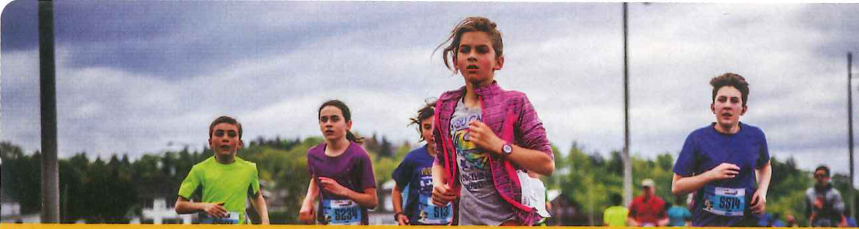
In the picture, one child is running faster than the others. How fast does the child run?

Question illustration

Question 8

In the picture, one child is running faster than the others. How can they find out how fast the child runs?

Question illustration

Question 9

In small groups, discuss the following: How would a tailor make a suit without taking measurements?

Question 10

How would a construction company plan, order material for and build a skyscraper without measurements?

Question 11

What would happen if a pilot and airport fuel technicians did not know the weight of the aeroplane, how much fuel it holds, how fast it burns fuel and how far it has to fly?

Question 12

Share your answers with the class. What solutions did you find for completing these tasks without using measurements?

Context: the tasks are making a suit, planning/ordering materials/building a skyscraper, and planning an aircraft flight using its weight, fuel capacity, fuel-use rate and flight distance.

Question 13

Were the solutions for completing these tasks without measurements easier than making the measurements?

Context: the tasks are making a suit, planning/ordering materials/building a skyscraper, and planning an aircraft flight using its weight, fuel capacity, fuel-use rate and flight distance.

Question 14

In the past, people often used parts of their bodies, such as their arms, hands or feet to measure things. For example, a cubit is the length from the tip of your longest finger to the bottom of your elbow. Do you think people’s feet and hands are all the same size?

Question 15

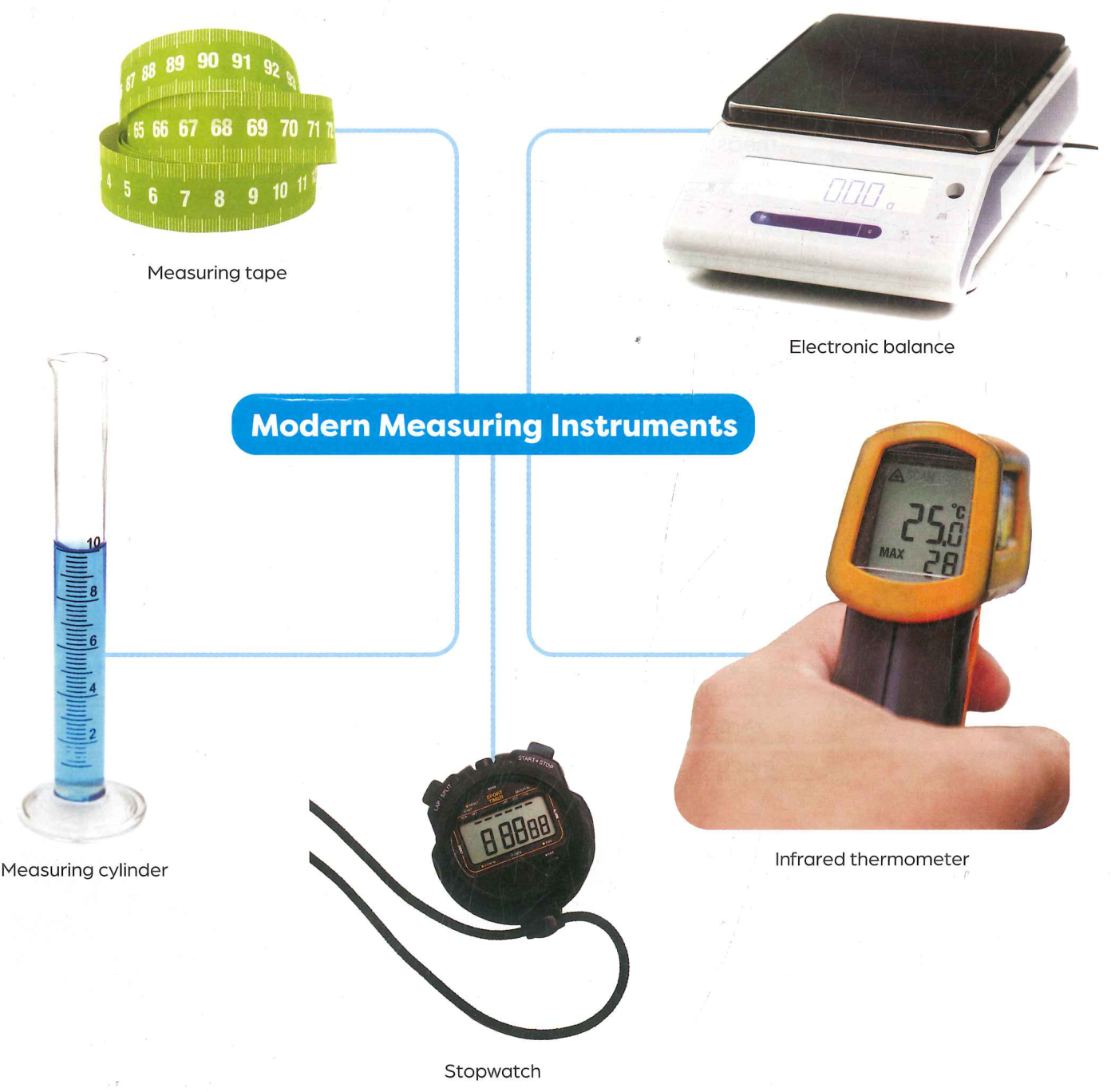
Which of the modern measuring instruments in Figure 2.1 have you already used?

Question illustration

Question 16

What does each of the modern measuring instruments in Figure 2.1 measure?

Question illustration

Question 17

Work in pairs and compare two methods of measurements. Measure the length of your desk using your arm, from the elbow to the wrist. Record your measurement in 'arm lengths'.

Question 18

Have your partner measure the same desk using their arm and record their measurement. Are these measurements the same?

Context: first measure the desk using your own arm from elbow to wrist and record the result in arm lengths. Your partner now uses the same procedure and the same desk.
Question 19

Take turns to measure the length of your desk using a tape measure. Record your measurement in metres. Are these measurements the same?

Question 20

Which is a better way of measuring things — using your arm or a tape measure? Why?
0
0
GIỎ HÀNG
Empty CartGIỎ CHƯA CÓ GÌQUAY LẠI SHOP
