Unit 3: Measures Next → Draw 2 of your friends.
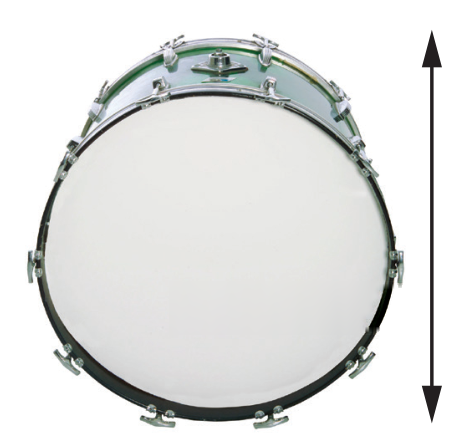
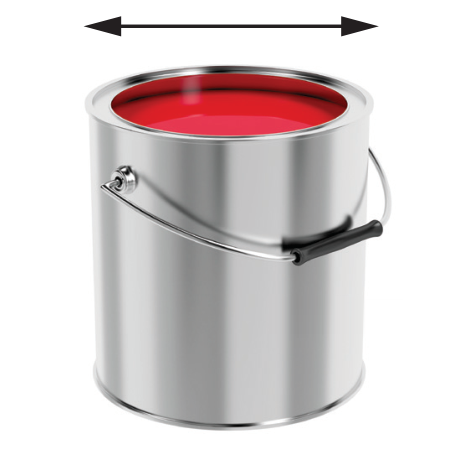
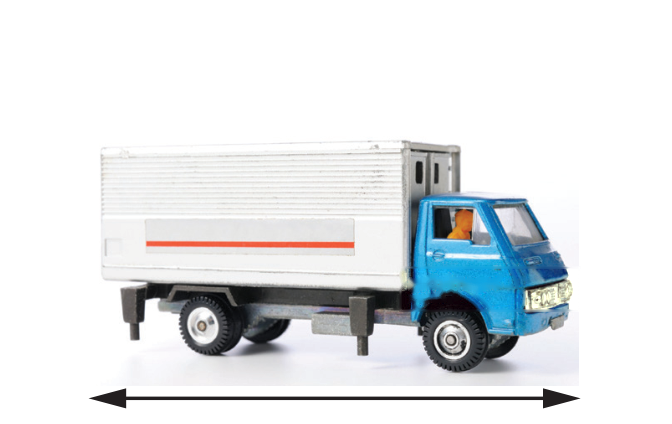
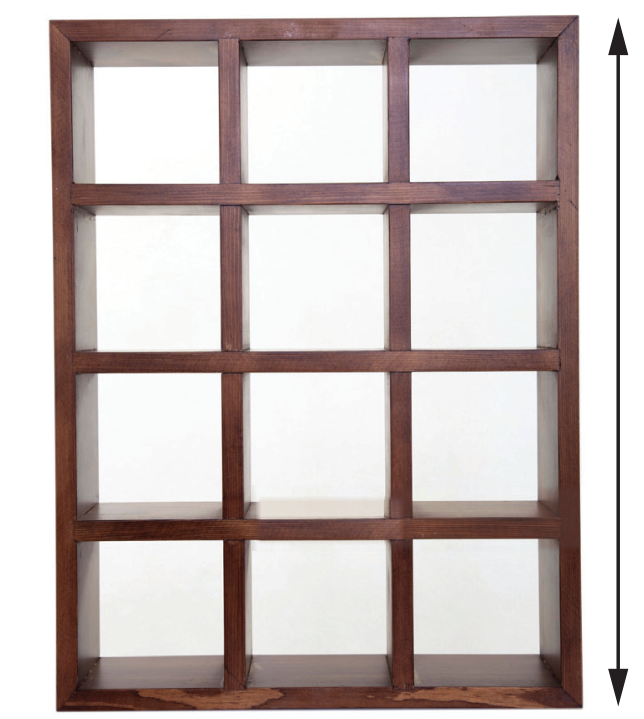
Estimate and then measure the length of these pictures. Use a ruler. Measure along the arrow next to each picture.
Useful words: *just over*, *just under*.
| Picture | Estimate | Measure |
|:-|:-:|:-:|
| drum | | |
| paint tin | | |
| lorry | | |
| shelf | | |
drum
paint tin
lorry
shelf
drum
paint tin
lorry
shelf
Work with a partner.
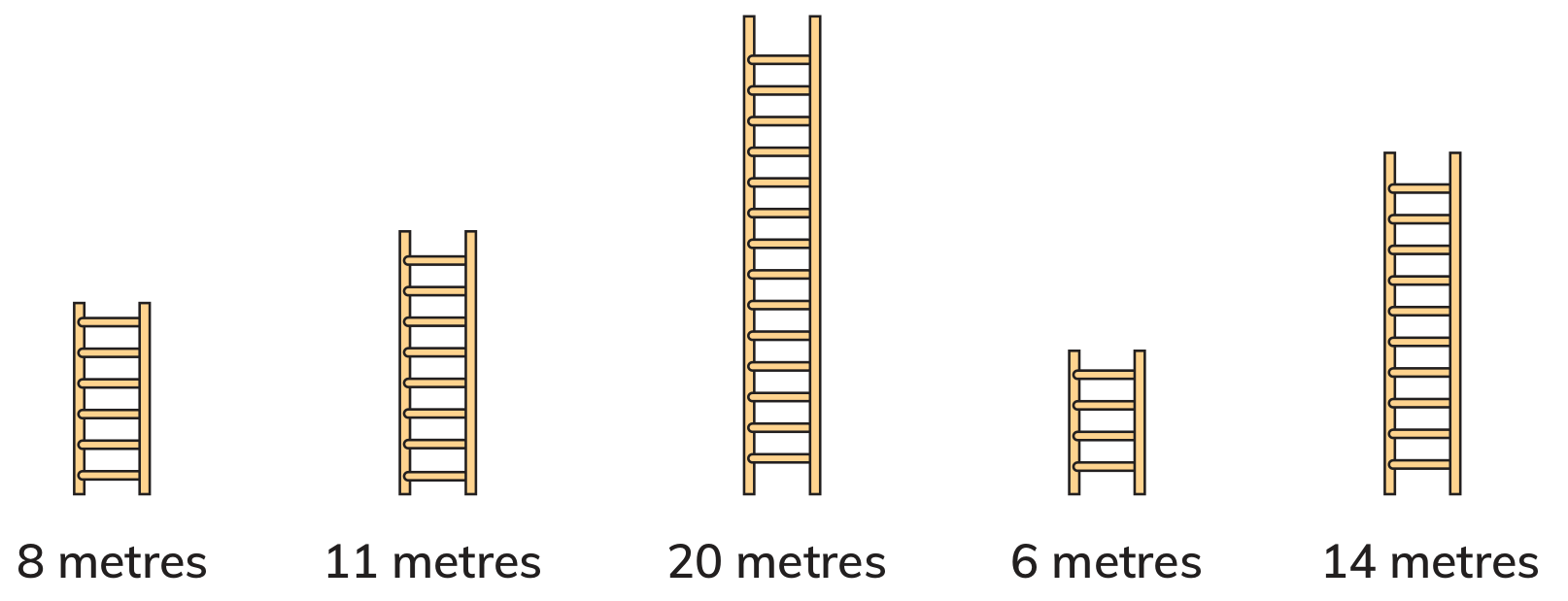
These ladders can be joined together to make different heights.
Which ladders are joined together to make exactly these heights?
**a** 14 metres
These ladders can be joined together to make different heights.
Which ladders are joined together to make exactly these heights?
**b** 26 metres
These ladders can be joined together to make different heights.
Which ladders are joined together to make exactly these heights?
**c** 25 metres
These ladders can be joined together to make different heights.
Which ladders are joined together to make exactly these heights?
**d** 31 metres
These ladders can be joined together to make different heights.
Which ladders are joined together to make exactly these heights?
**e** 20 metres
This rope is 24 metres long.
If 14 metres of rope is cut off, how much is left?
The difference between 24 and 14 is \_\_\_\_\_\_ metres.
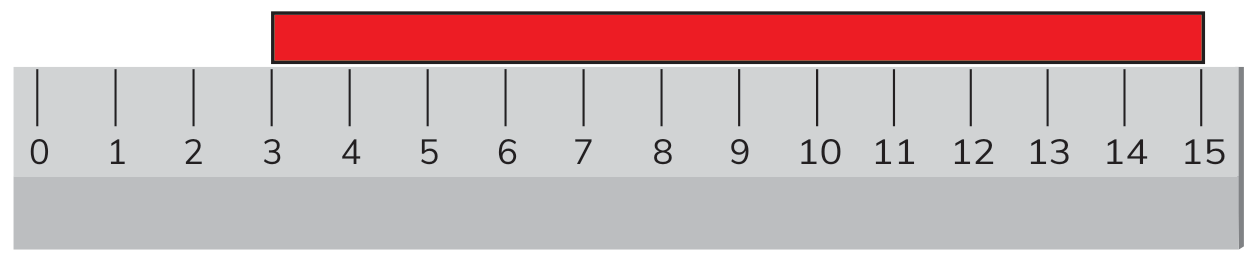
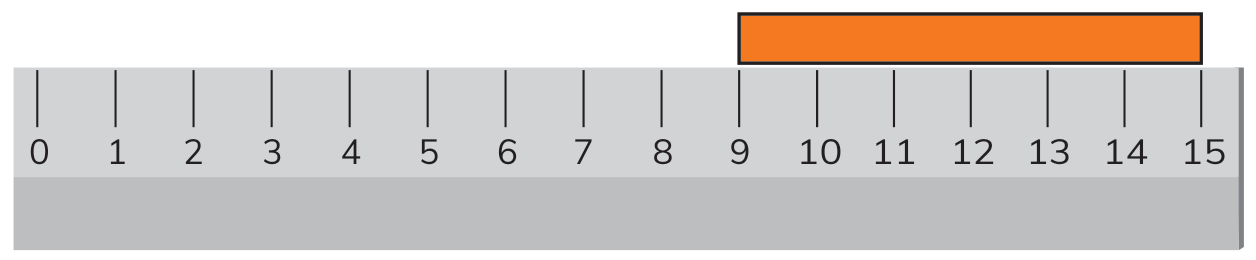
These rulers are in centimetres. Find out the length of each coloured bar using the rulers underneath.
\_\_\_\_\_\_ centimetres
Tip: The bars do not all start at 0. Start measuring from where the bars start.
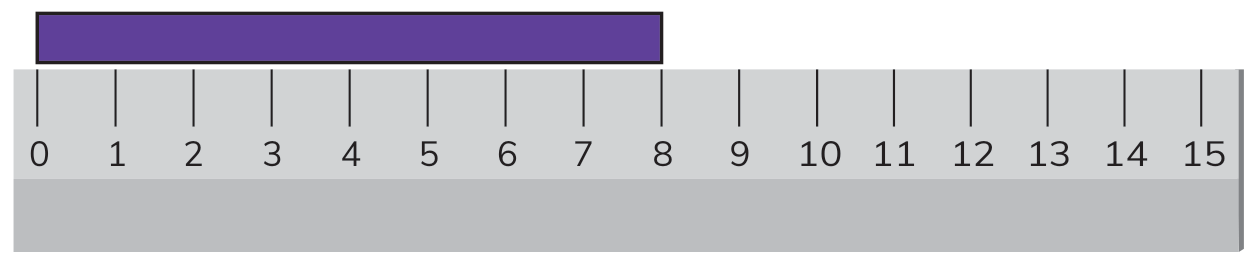
These rulers are in centimetres. Find out the length of each coloured bar using the rulers underneath.
\_\_\_\_\_\_ centimetres
Tip: The bars do not all start at 0. Start measuring from where the bars start.
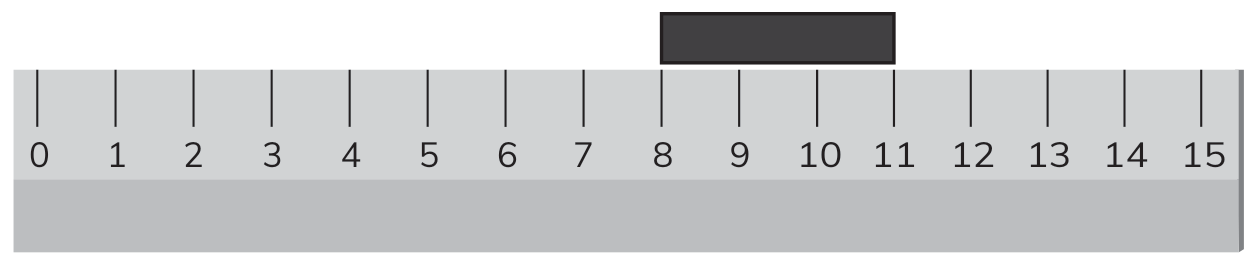
These rulers are in centimetres. Find out the length of each coloured bar using the rulers underneath.
\_\_\_\_\_\_ centimetres
Tip: The bars do not all start at 0. Start measuring from where the bars start.
These rulers are in centimetres. Find out the length of each coloured bar using the rulers underneath.
\_\_\_\_\_\_ centimetres
Tip: The bars do not all start at 0. Start measuring from where the bars start.
How long is a piece of string?
Which line is longer?
I think the \_\_\_\_\_\_ line is longer.
blue
red
Which line is shorter?
I think the \_\_\_\_\_\_ line is shorter.
red
blue
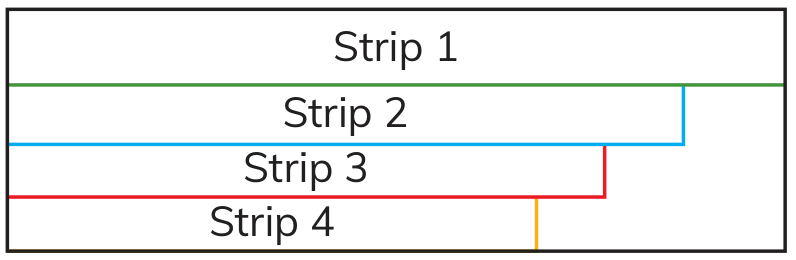
You will make strips of paper of different lengths and widths. You will need an A4 piece of paper. Use your ruler and draw a line 5 centimetres below the longest edge of your paper (see the bottom line in strip 1 in the picture below).
Measure the length of this line and draw the next strip 5 centimetres shorter and 1 centimetre narrower.
Keep measuring 5 centimetres shorter and 1 centimetre narrower for each new strip, until you have drawn 4 strips.
Cut along the lines you have drawn. You now have 4 strips of paper.
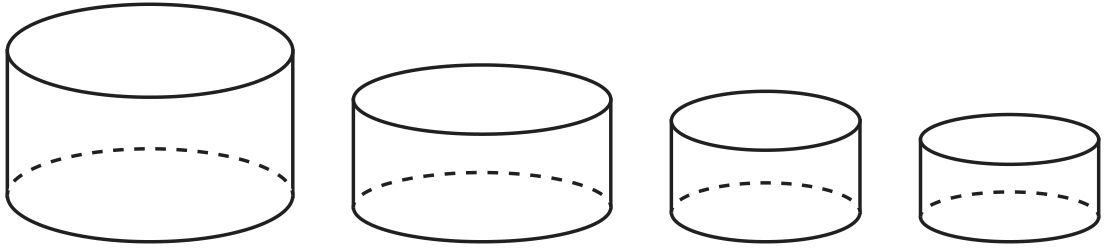
Bend them round and stick the edges together. You now have 4 rings.
Can they fit inside each other?
Now you are ready to decorate them.
Let's make a ruler!
Make a rod of 15 or more centimetre cubes.
Cut a strip of paper. Lay the cubes on top of your paper. Make sure you put the edge of a cube at the left edge of the paper.
This left edge will be 0. (There is no space to write 0 on your ruler.)
Where 2 cubes meet, draw a line on your paper. Keep on adding cubes. Keep on drawing lines until you reach the end of your paper.
Write numbers on your ruler. Write 'centimetres' on your ruler.
Use your ruler to measure lots of different things at home and at school.
Next →