Unit 3: Light and shadows
Look at the picture. What might be the light source?
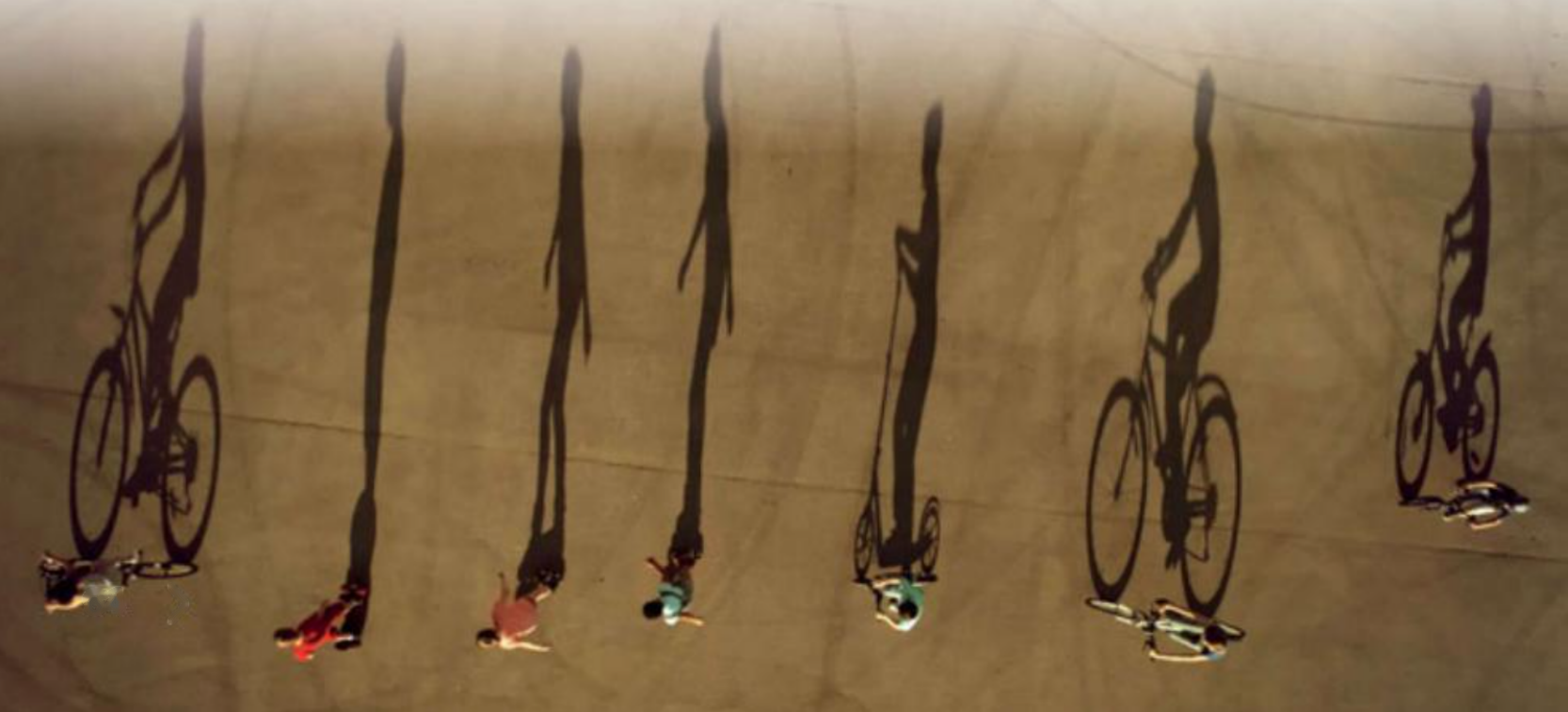
Which child is riding a bicycle?
Draw the shadow of the child riding the scooter.
Does everything have a shadow?
Yes
No
Mia has two shadows. Why is this?
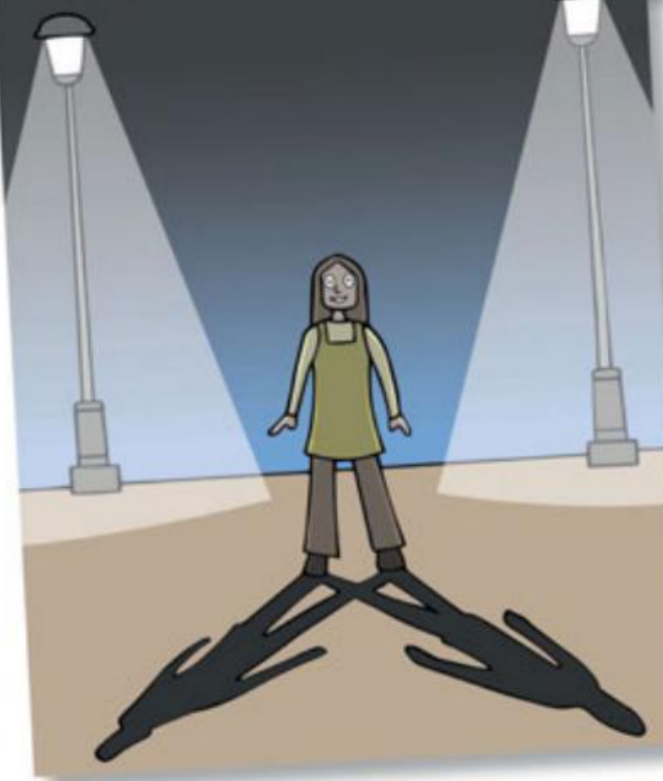
If Mia moves, how might the shadows change?
Try this outside.
Check to see if the shadow is the same shape as the person.
Try making your own shadow puppets.
Tell other people how the shadow is made.
Use the words opaque, light source and blocks.
Glass is very good for making windows. Why is this?
Why do shops use so much glass in their front windows?
Your teacher will give you some materials.
Do you think they are opaque or transparent?
Record your predictions in a table.
Is the material opaque?
| Material | My prediction | Result of the test |
|:-|:-|:-|
| glass | transparent | transparent |
| ___ | ___ | ___ |
| ___ | ___ | ___ |
Test each material with a flashlight.
Does light pass through?
Now record your results.
| Material | My prediction | Result of the test |
|:-|:-|:-|
| glass | transparent | transparent |
| ___ | ___ | ___ |
| ___ | ___ | ___ |
Were your predictions correct?
Which materials would not make good windows?
Why would they not make good windows?
If you wanted to make a sunshade, would you use an opaque or transparent material?
Which materials might make a good sunshade?
Why are these shadows so long?
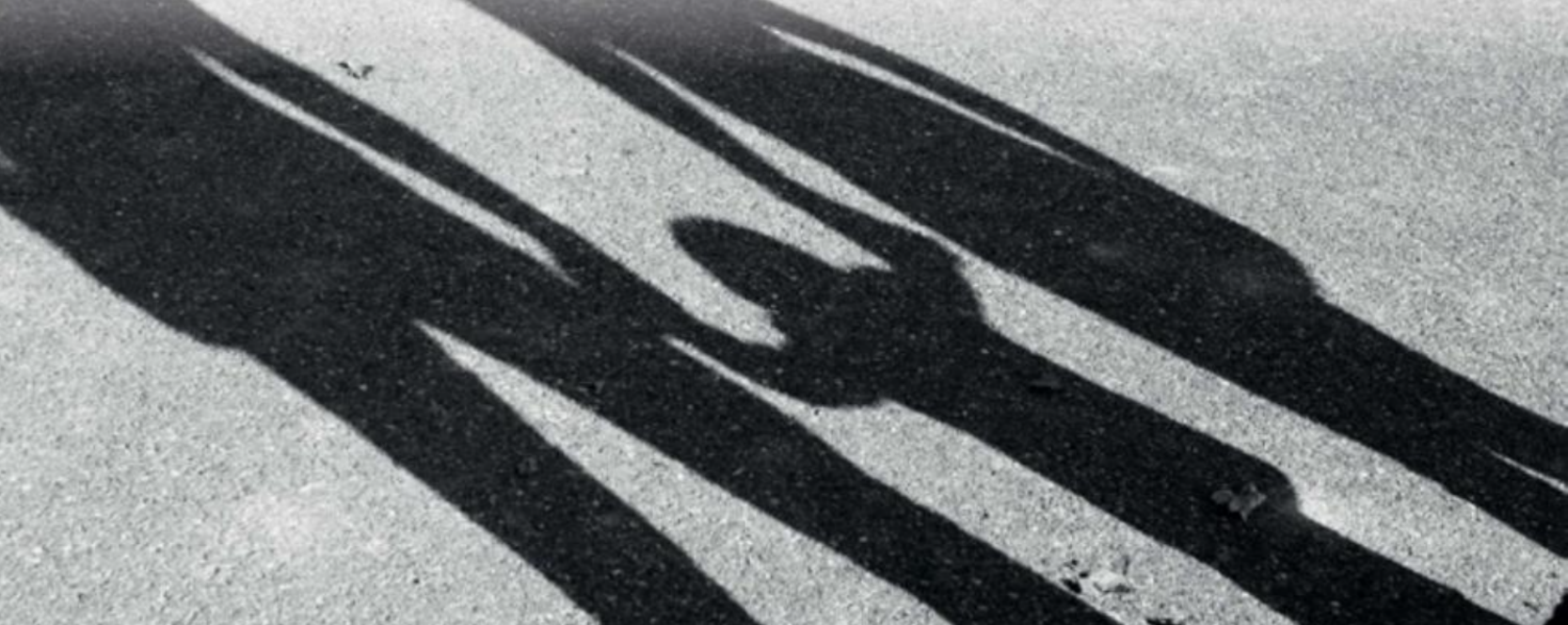
How might these shadows get longer or shorter?
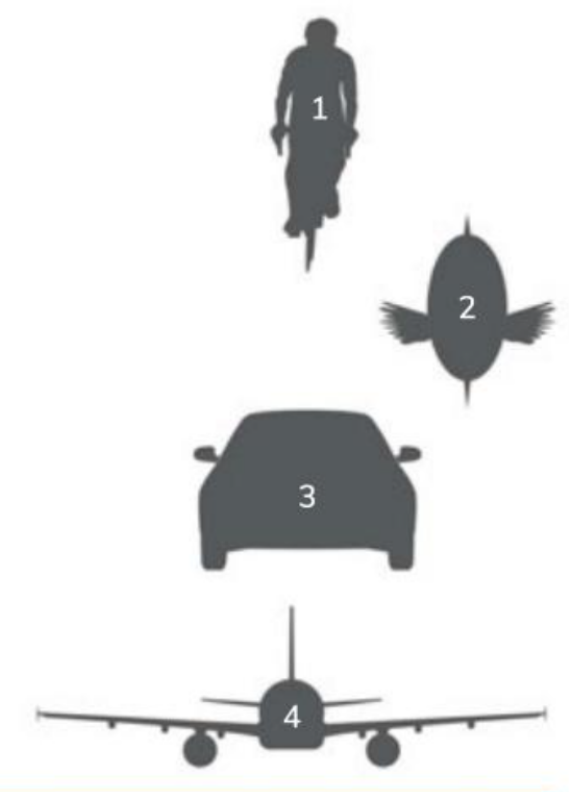
Identify these things from the shadows:
a car,
a plane,
a cyclist,
a fish
Hold your flashlight pointing down at the toy.
Draw the toy and its shadow.
Now move the toy.
Observe how the shadow changes.
Draw the new shadow shape.
