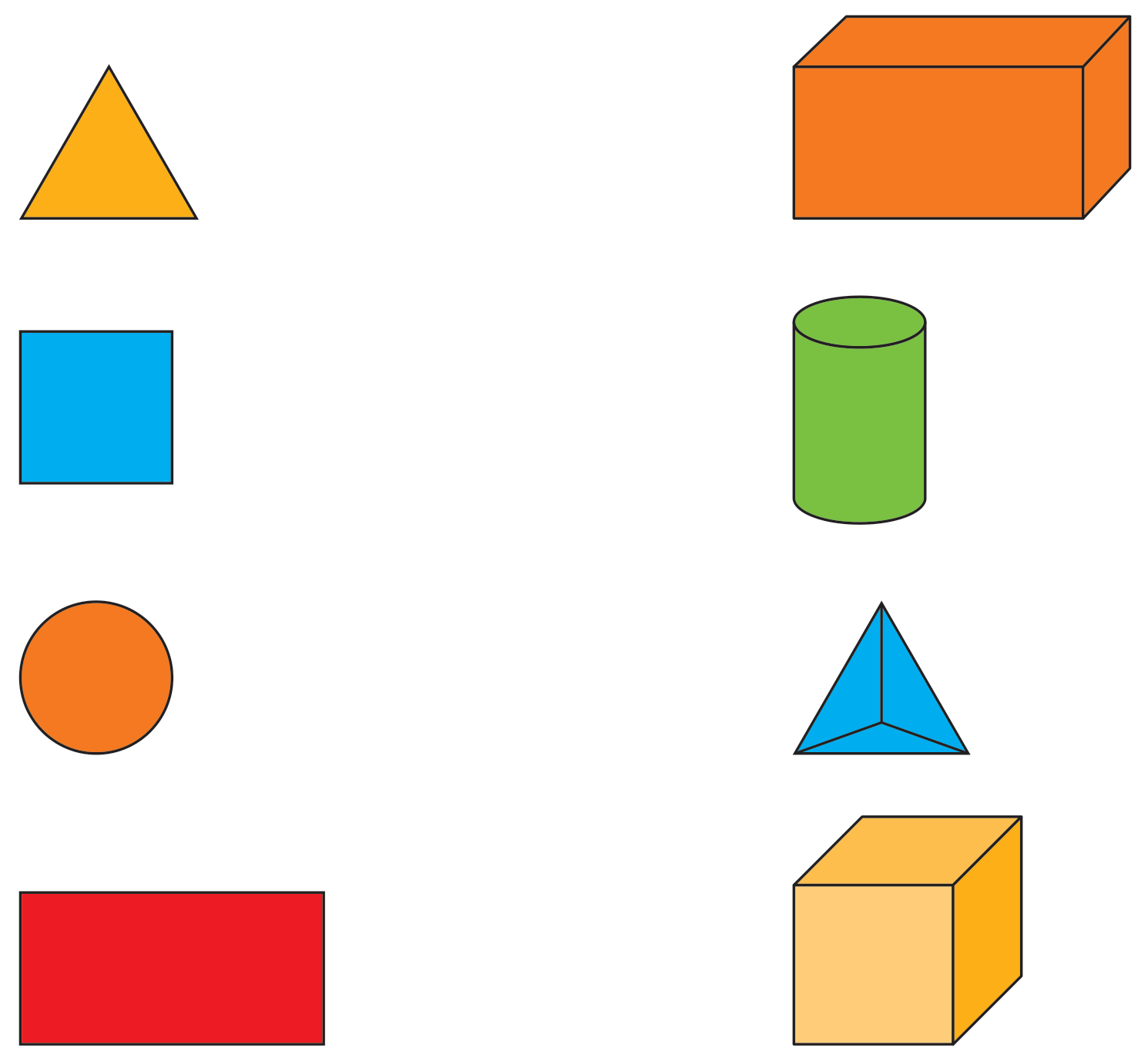
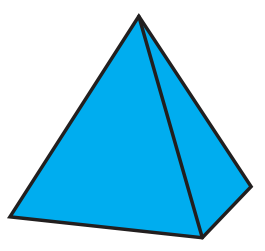
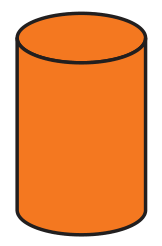
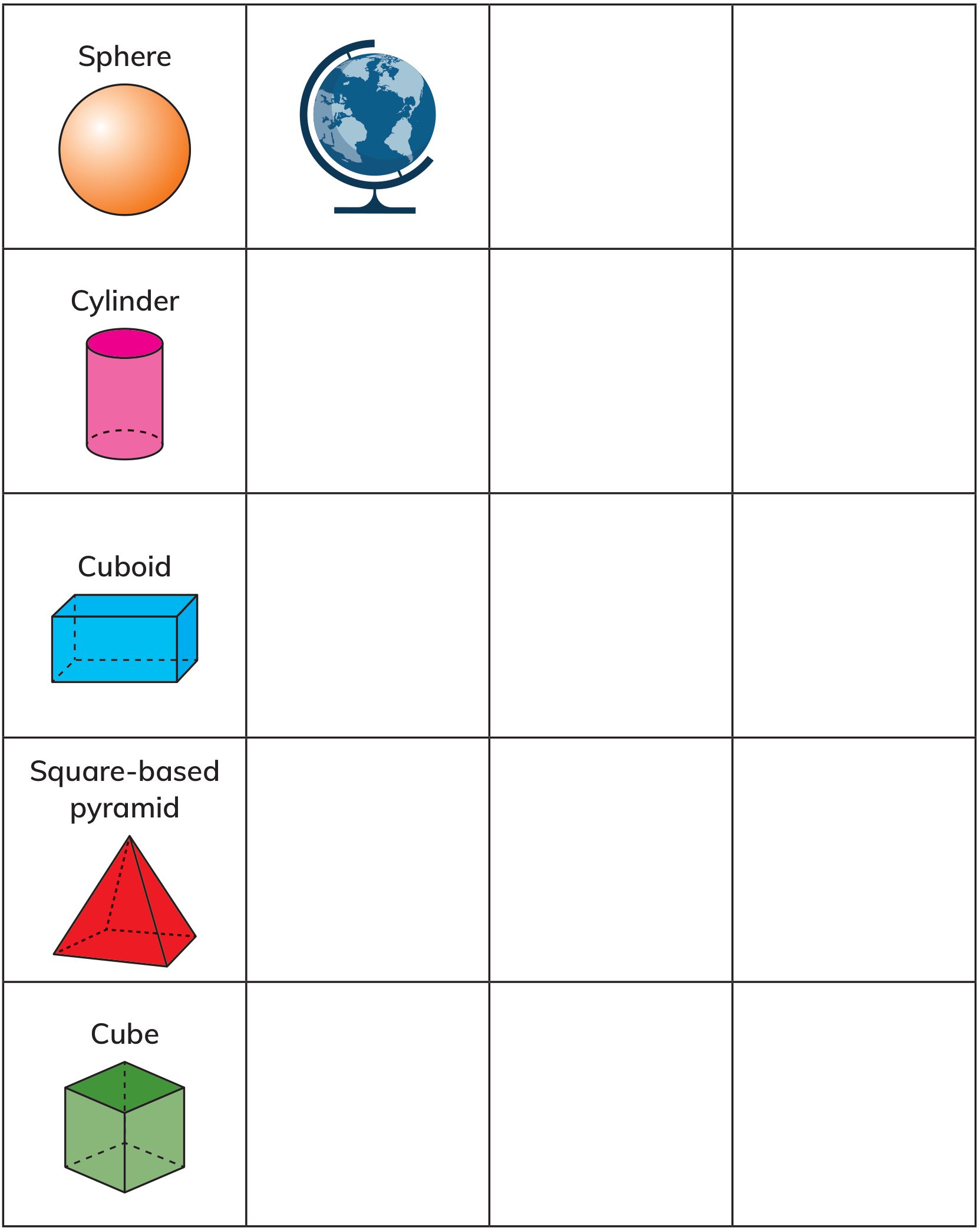
Unit 2: Geometry Next → Match each 3D shape to the 2D shape it fits.
Which face will you use?
Look at the shapes, not the colours.
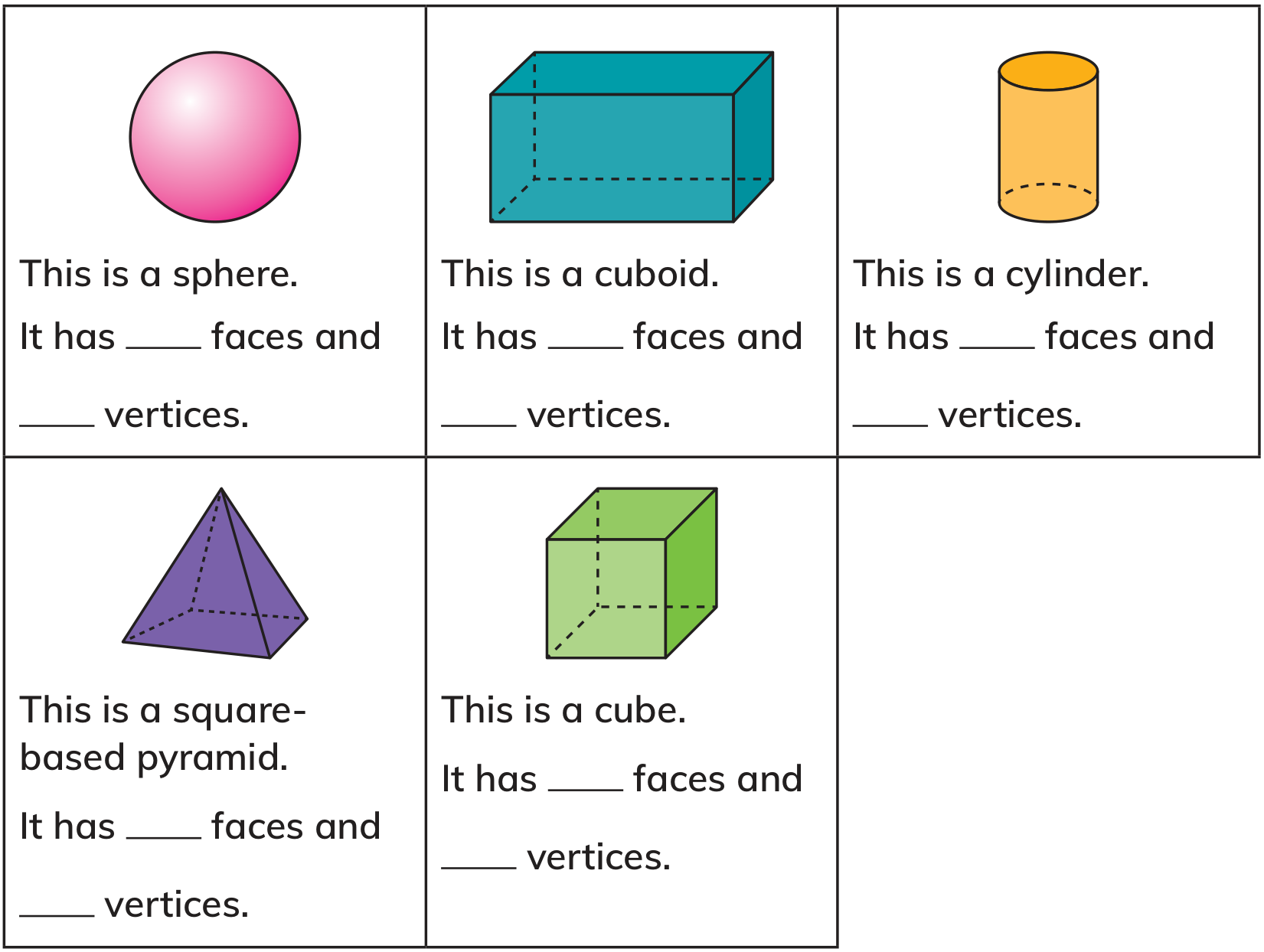
Fill in the missing numbers.
Tip: remember that curved surfaces do not count as faces.
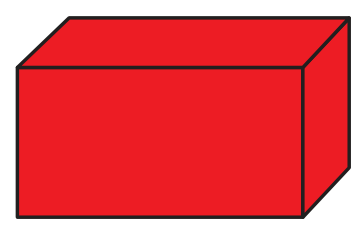
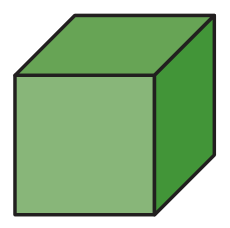
How many faces are hidden?
Cuboid: \_\_\_\_ faces are hidden
Cube: \_\_\_\_ faces are hidden
Square-based pyramid: \_\_\_\_ faces are hidden
Cylinder: \_\_\_\_ faces are hidden
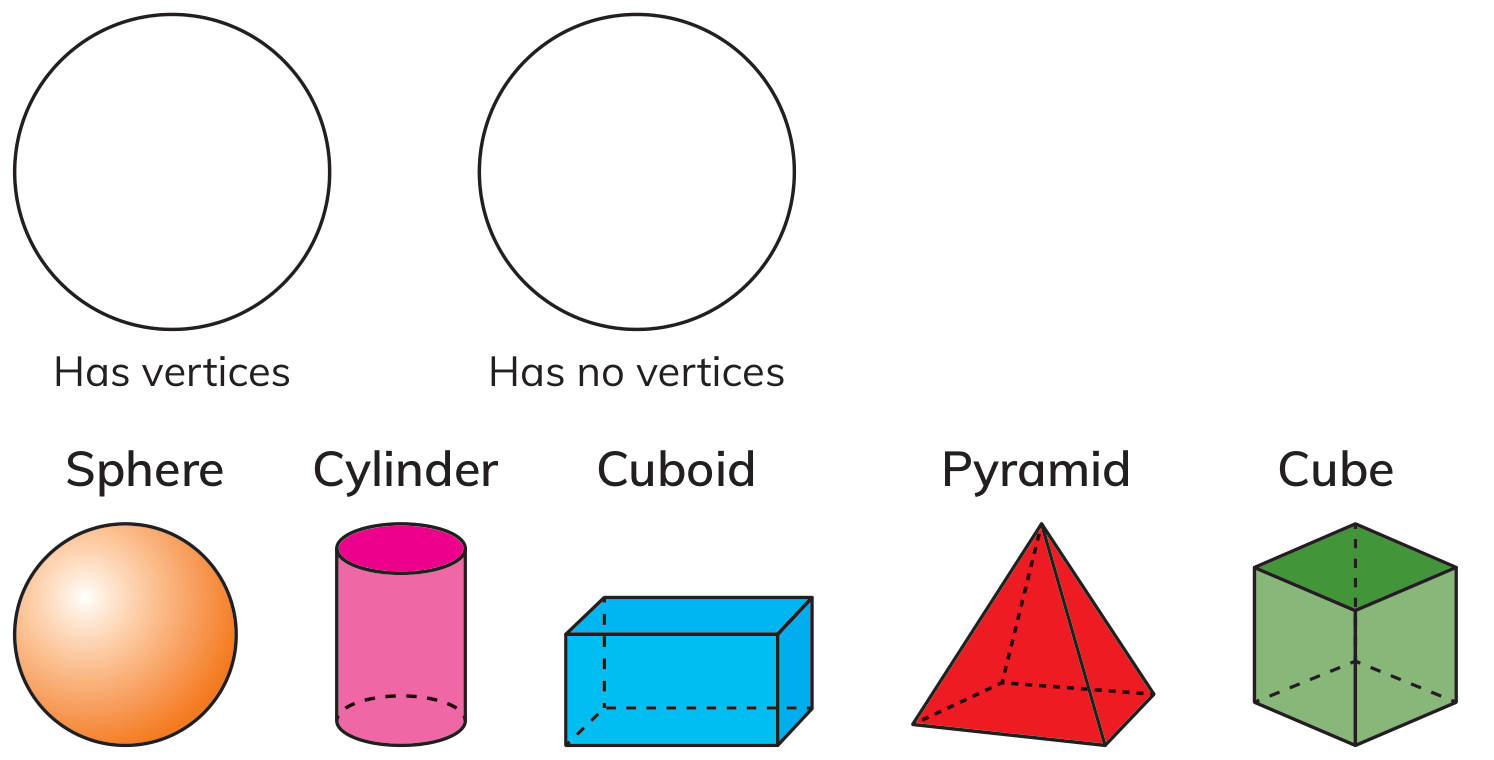
Draw lines from each shape to sort them according to their properties.
Sort them in a different way. Write your own labels.
Play this game with a partner. Take turns to describe the faces of a 3D shape. Ask your partner to guess what it is.
Draw 3 things that match these shapes. The first one is an example.
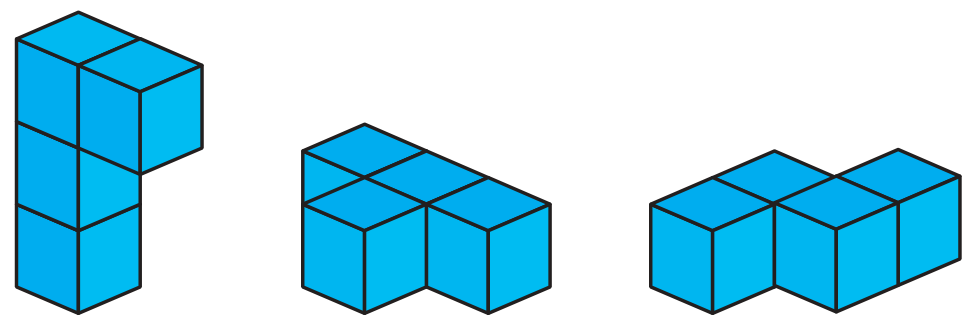
Work with a partner. Make these shapes using four cubes.
Choose one of the shapes and write how you made it. Share what you wrote with your partner. Can they guess what shape you chose?
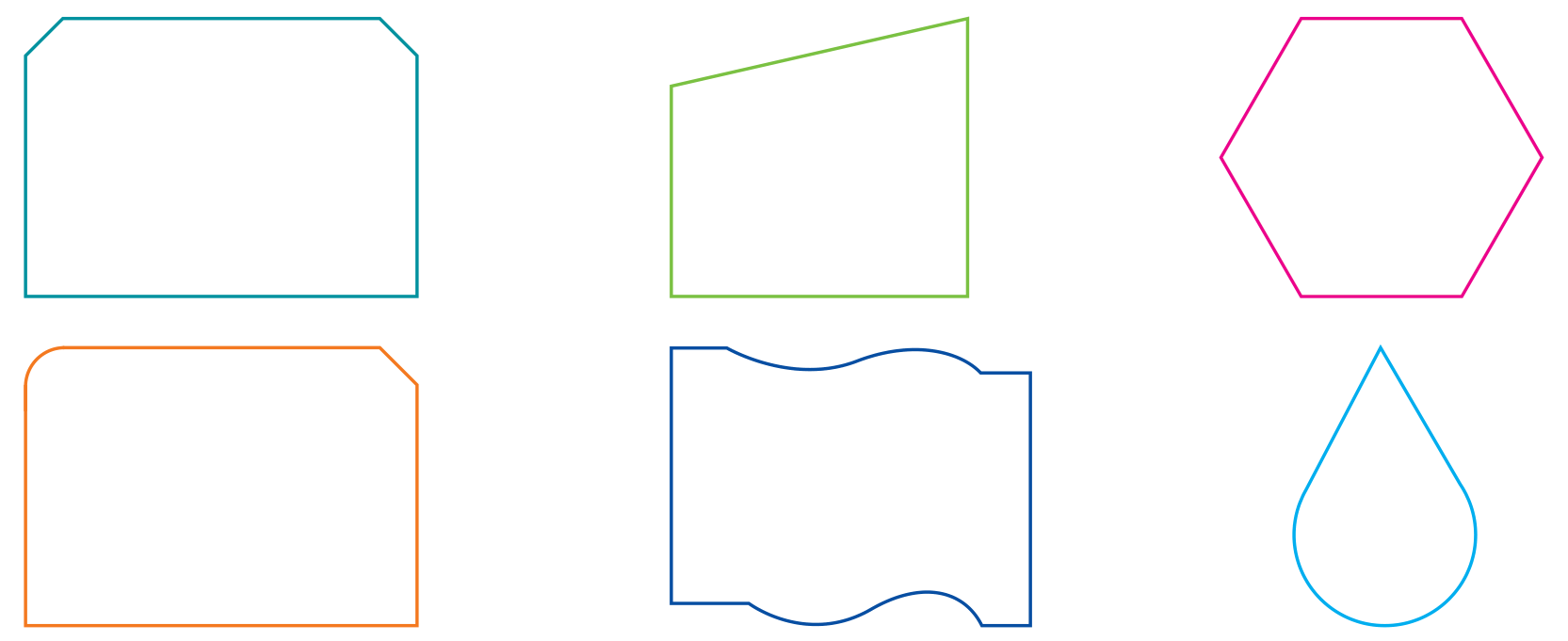
Find the symmetrical shapes. Use a ruler to draw a line of symmetry on them.
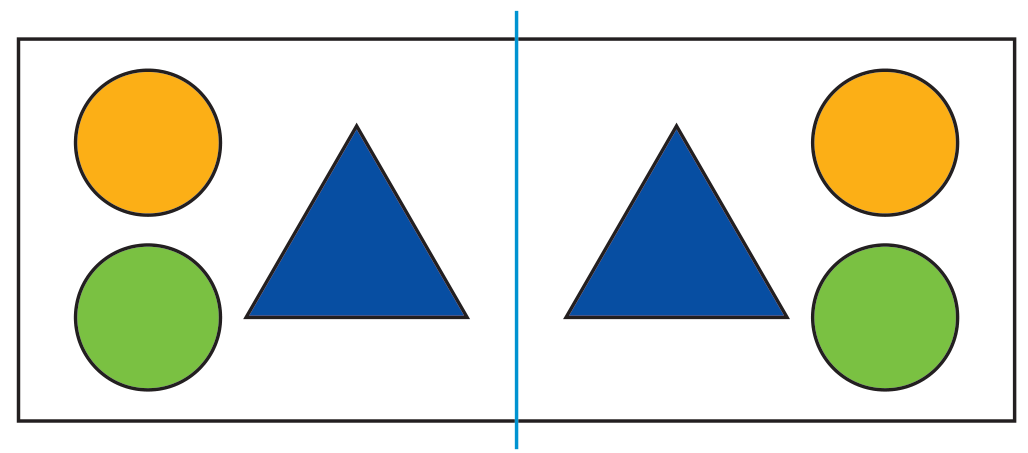
A line of symmetry is a line that you can fold along to make both halves the same.
Draw a pattern each side of the lines of symmetry to make them symmetrical. The first one is an example.
Tip: remember to make them a mirror image.
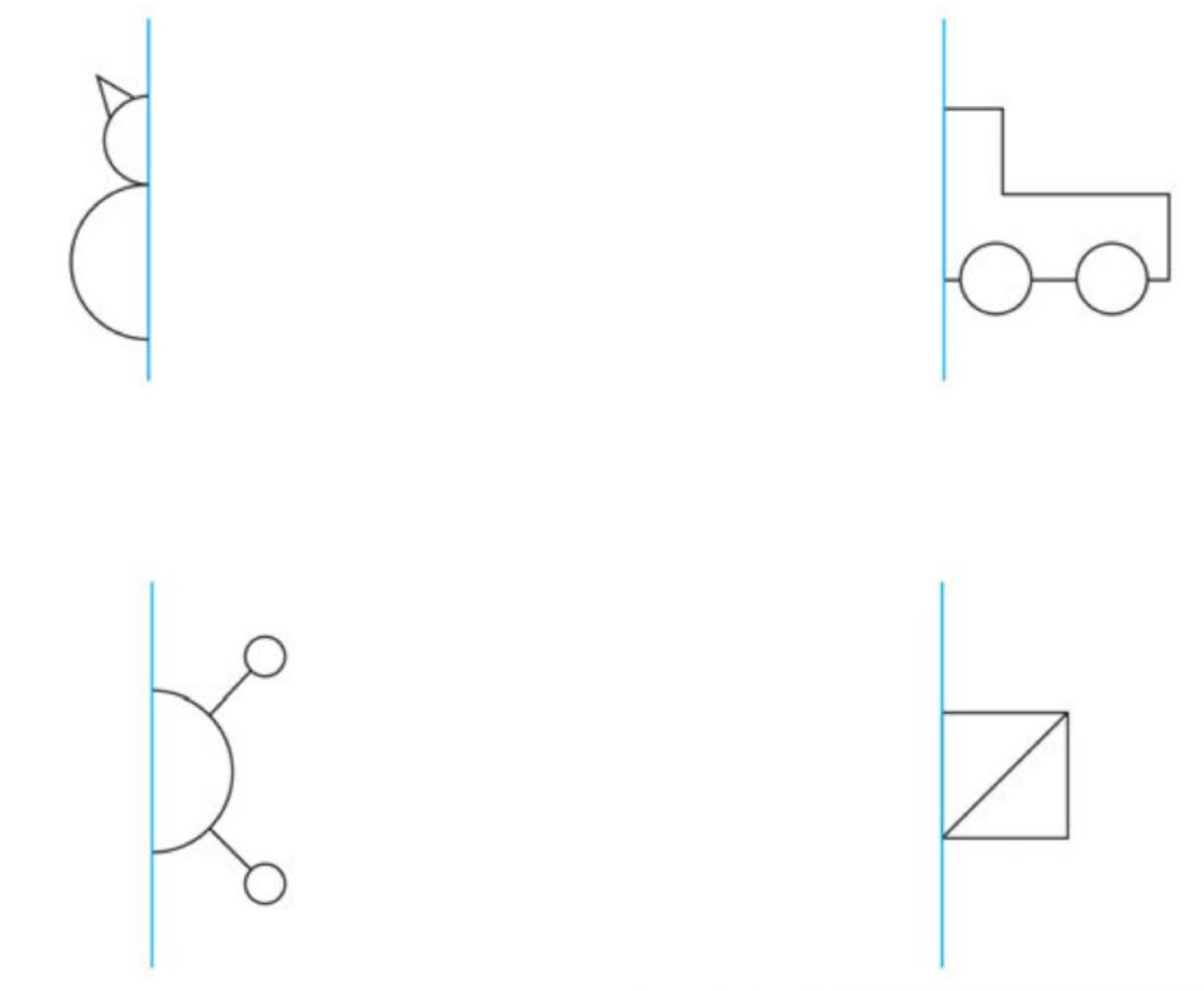
Draw the other half of these pictures to make them symmetrical.
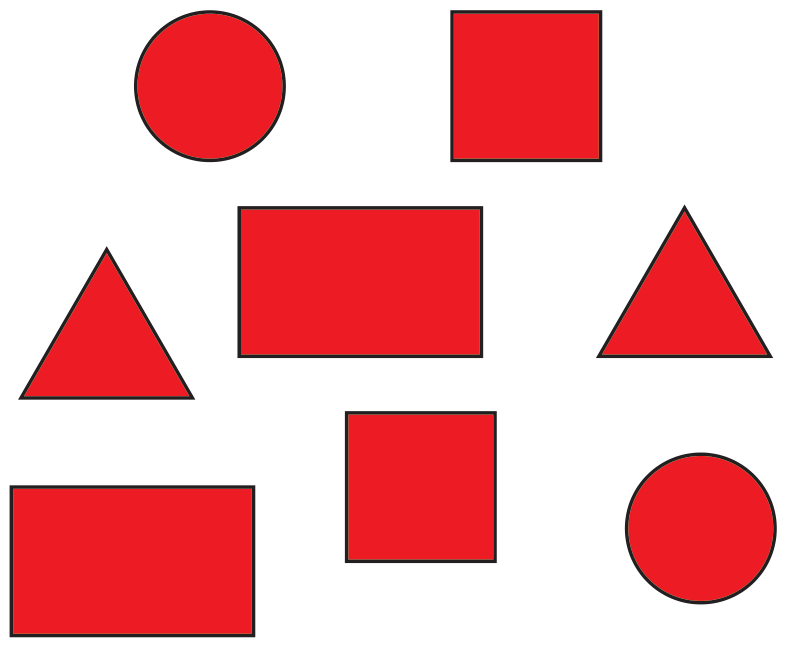
Draw a symmetrical pattern using these shapes. Use 1 line of symmetry. Your pattern can have a vertical or horizontal line of symmetry.
Draw 3 objects that match these shapes. The first one is an example.
Tip: look around you. What can you see?
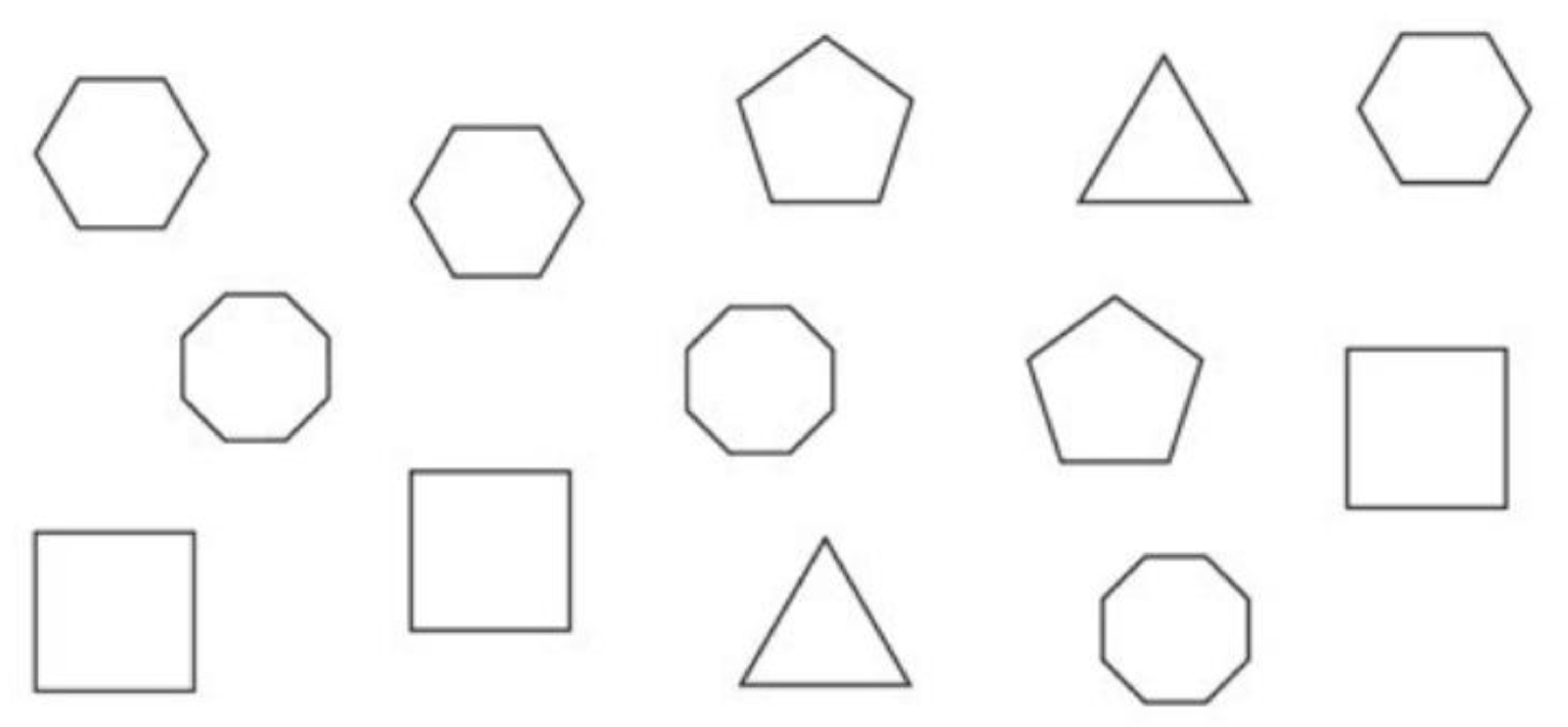
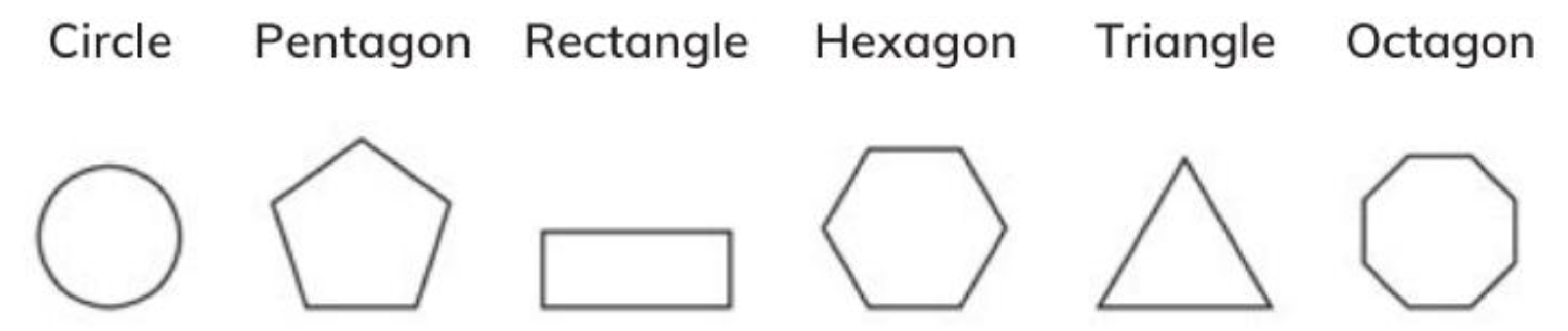
Fill the triangles with small triangles and the squares with small squares. Fill the pentagons with dots, the hexagons with a colour and the octagons with stripes.
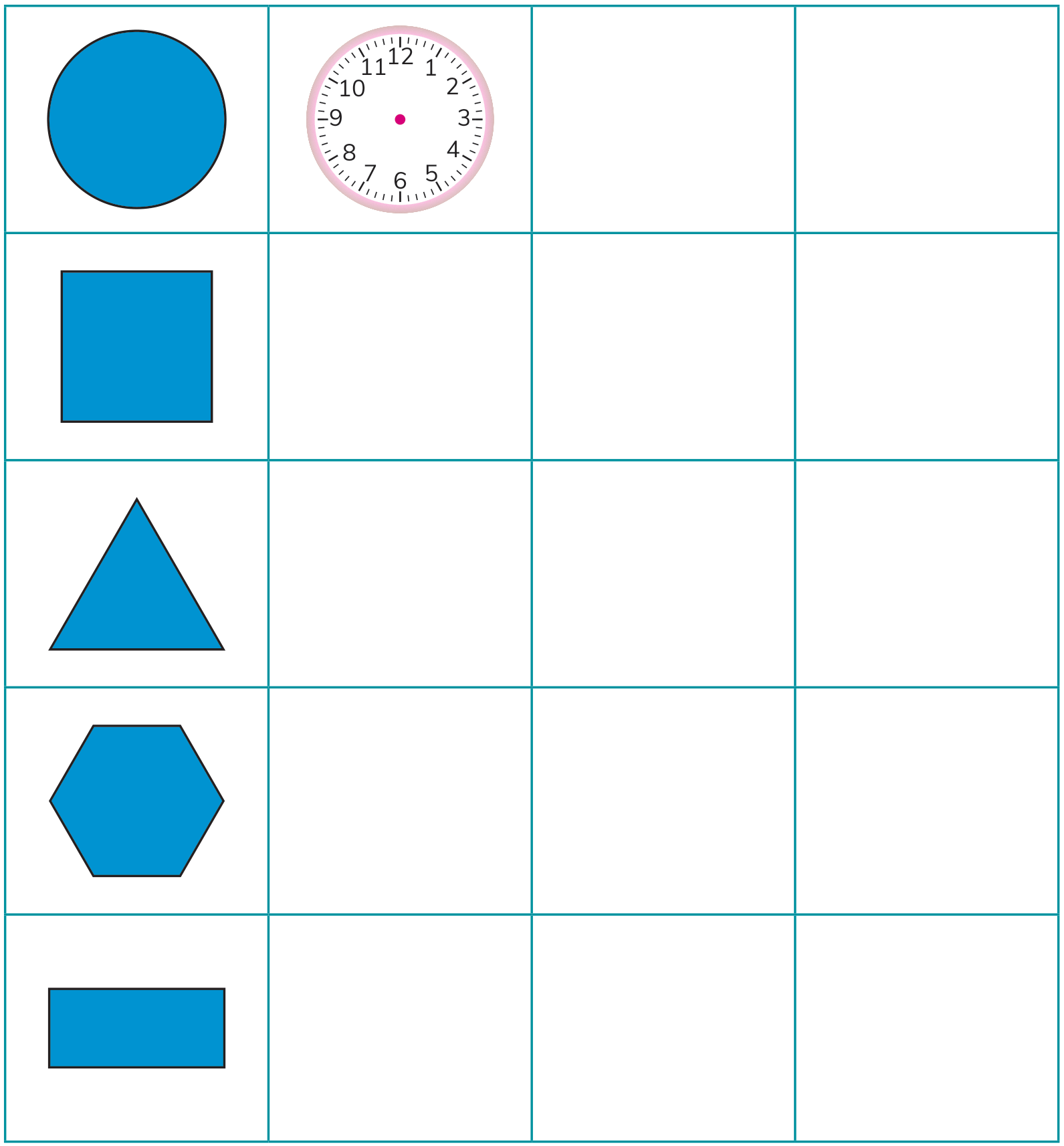
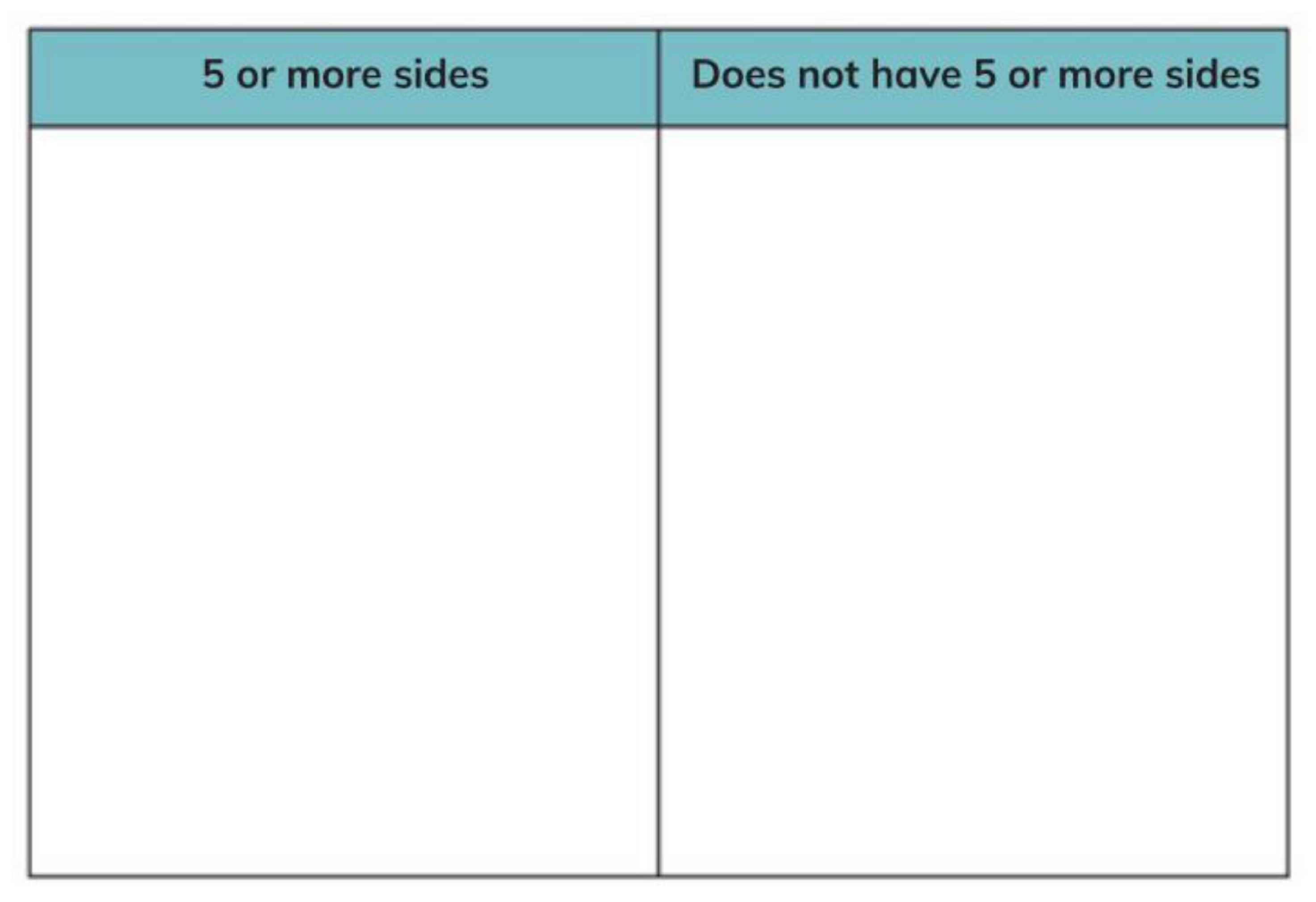
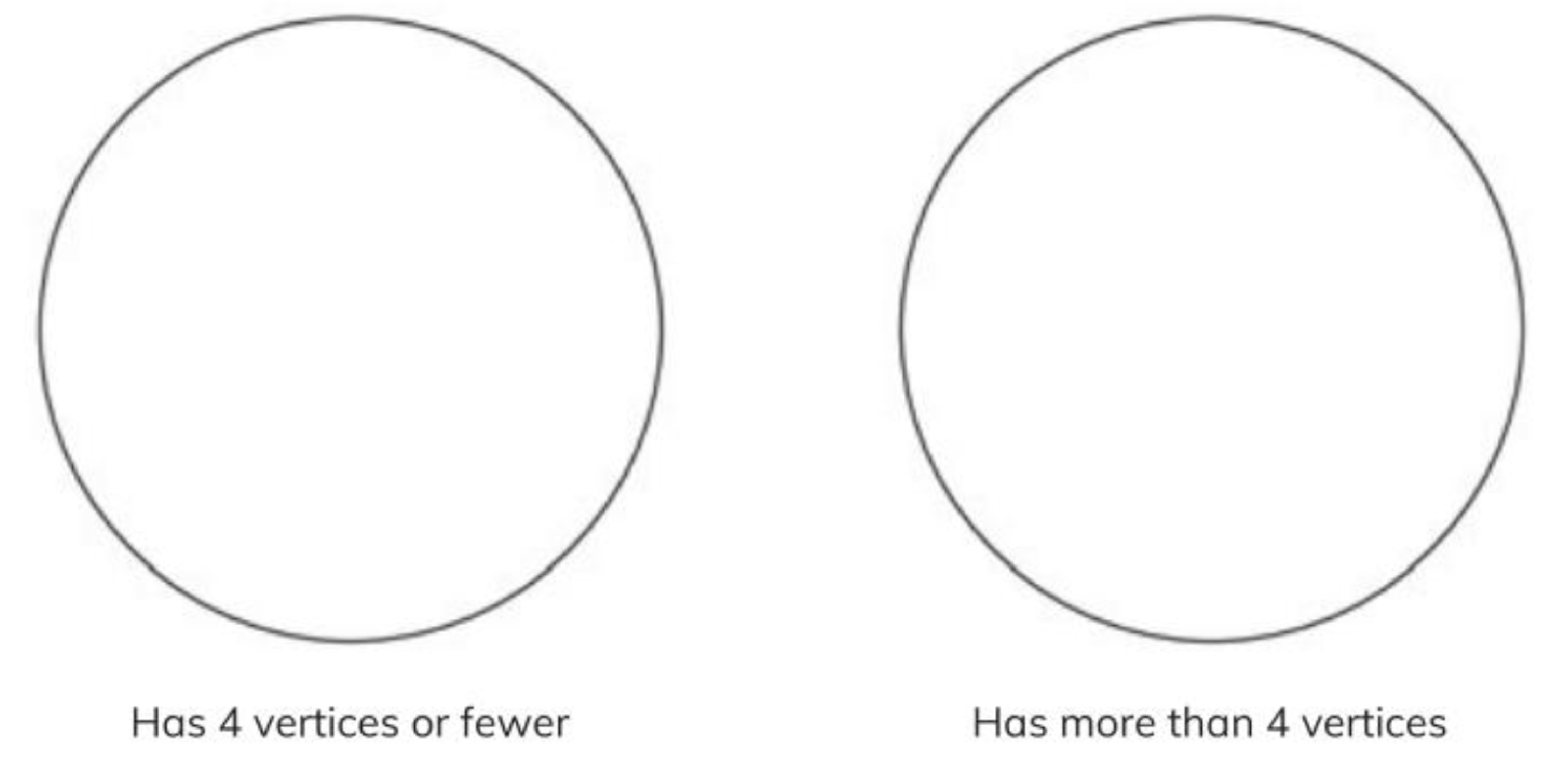
Sort the patterned shapes into the Carroll diagram.
Draw 2 shapes of your own and put them in the Carroll diagram.
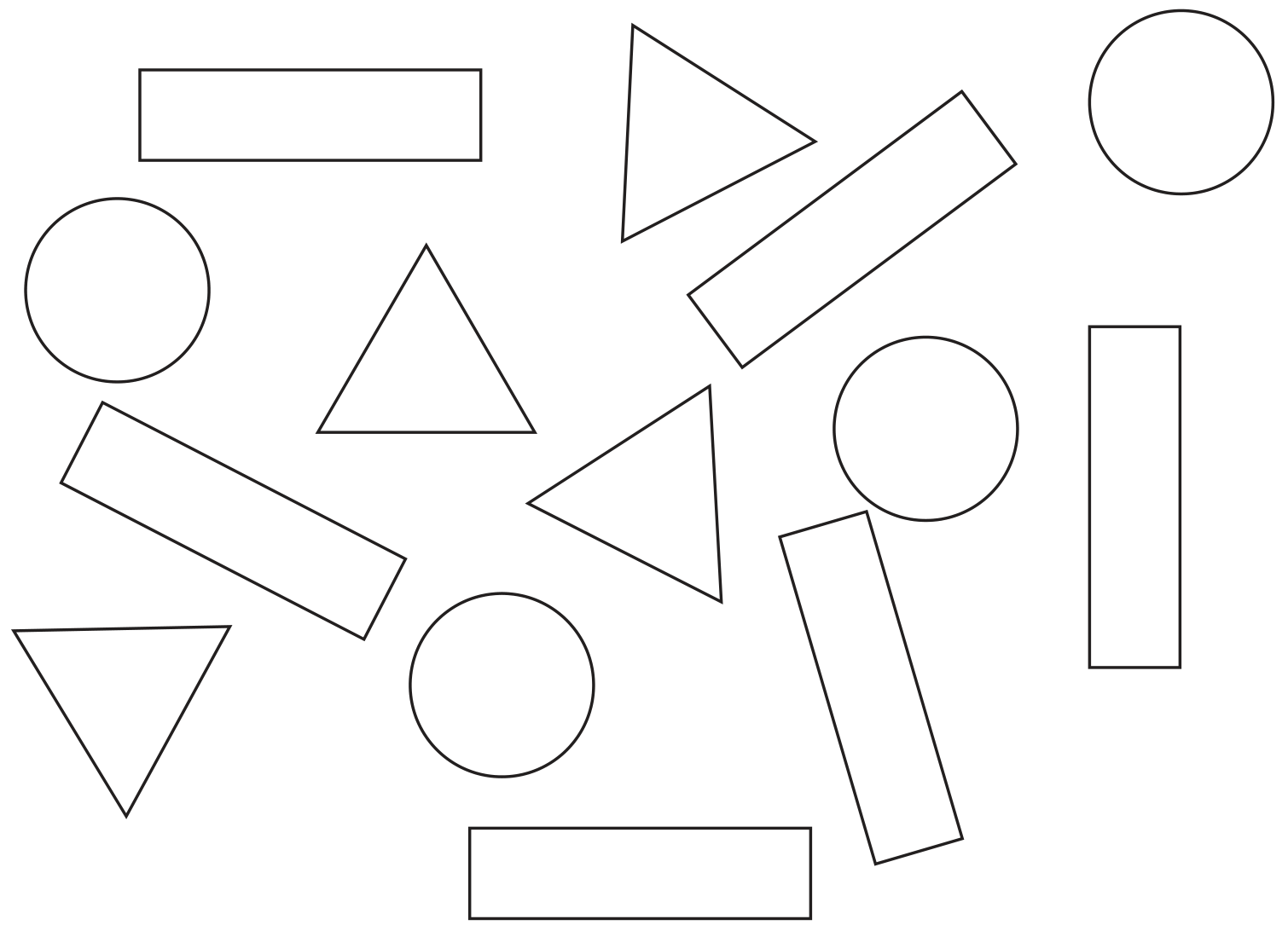
Colour the rectangles. How many rectangles can you find?
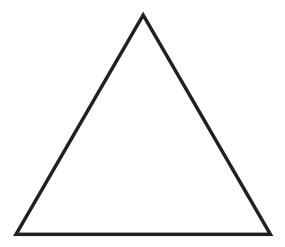
How many different ways can you turn the triangle so that it looks different every time?
Draw the shape to show the different ways.
Can you turn a circle so that it looks different? Explain your answer.
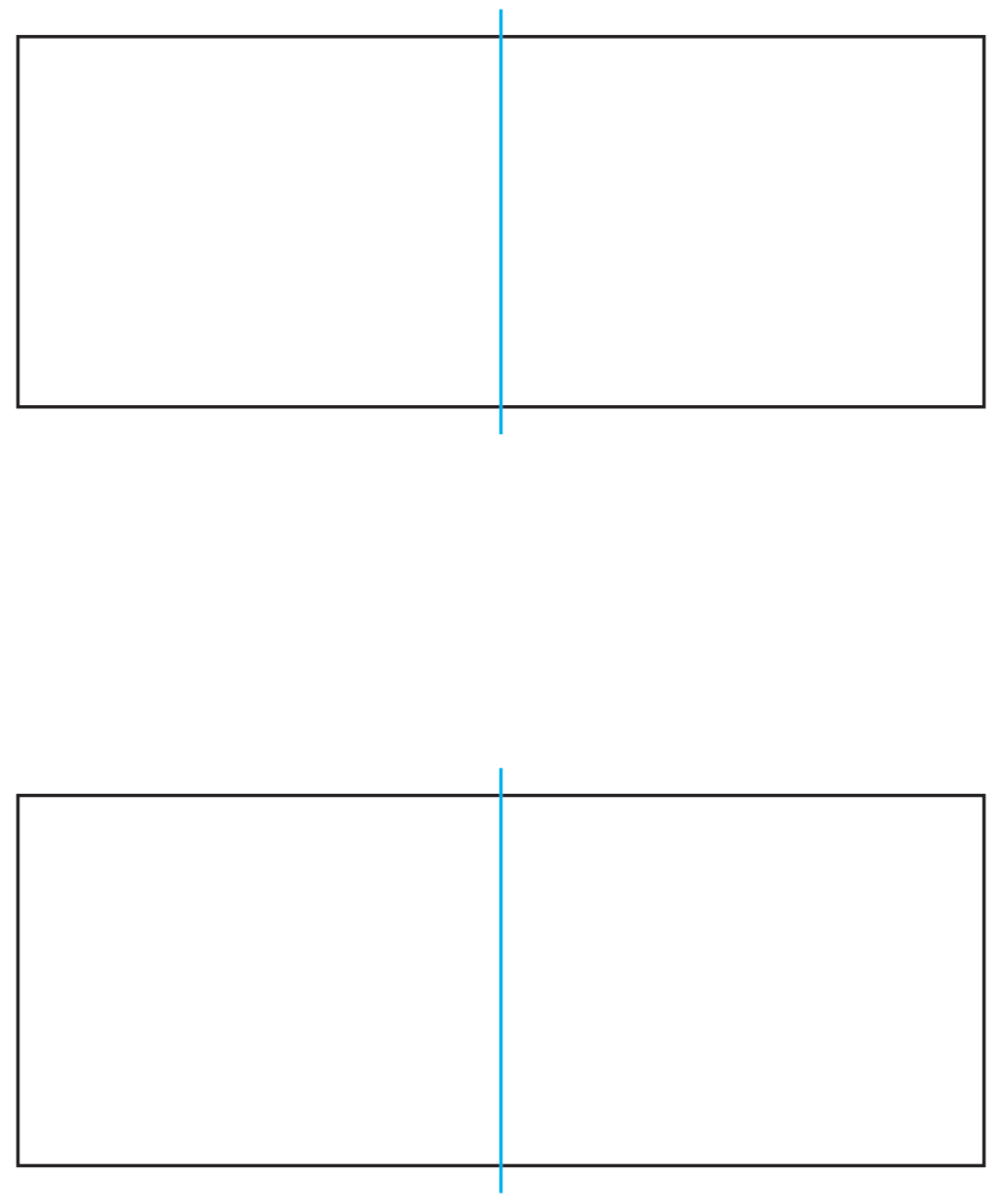
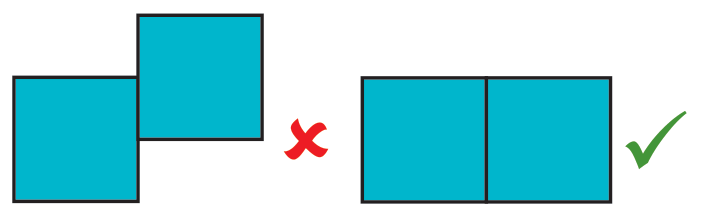
Work with a partner. Use up to 10 squares to make different symmetrical shapes. Always place the shapes edge to edge.
Draw 2 different designs. Use shape and colour to show the symmetry.
Colour all the shapes with more than 4 sides.
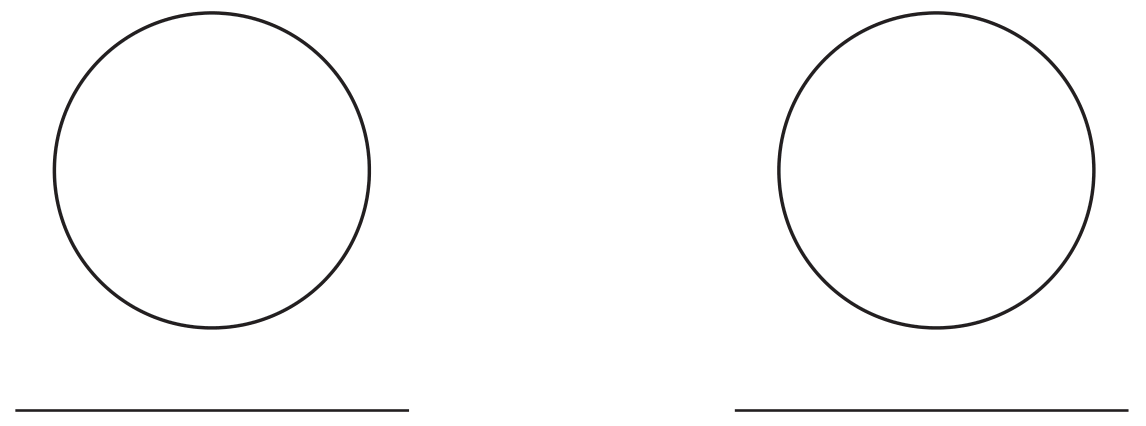
Now sort these shapes. You can draw the shapes or write their names in the sorting circles.
Work with a partner and take turns.
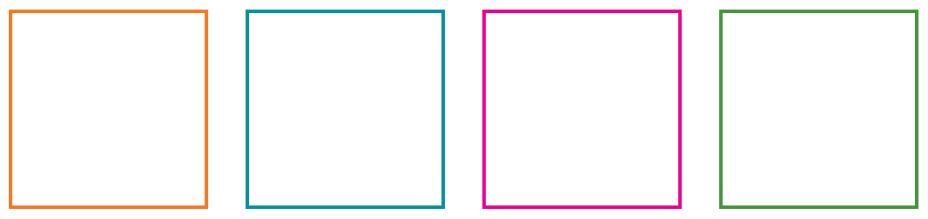
Here are 4 squares.
Use a ruler to draw straight lines to show 2 squares divided into halves and 2 squares that are divided into 2 parts but not halves.
Label the squares $\frac{1}{2}$ or not $\frac{1}{2}$.
Next →