Cambridge Primary (1-6). Stage 2. Mathematics. Workbook - Unit 3: Measures Next → Measure a table using a finger, hand, pencil and spoon. Record and explain the results.
Find objects longer or shorter than your shoe and scarf. Complete the table.
Sort these objects as shorter than, longer than or about 30 cm: frying pan, fork, hand, paint brush, shoe, table, skipping rope and straw.
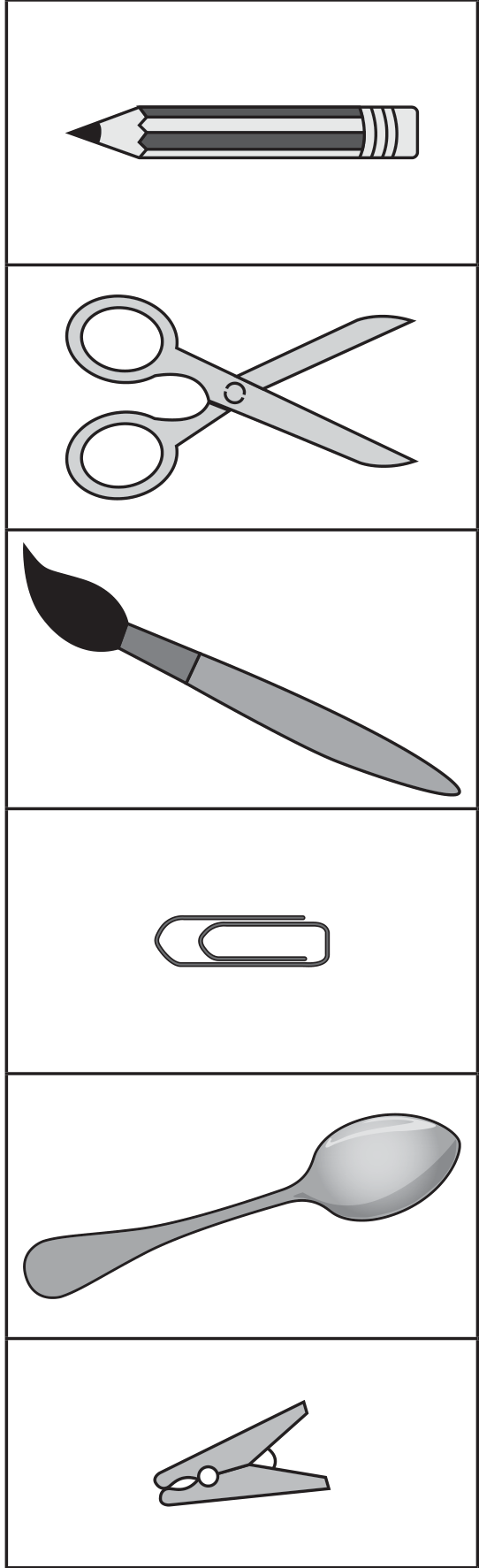
Estimate and measure the pencil, scissors, paint brush, paper clip, spoon and clothes peg in centimetres.
Measure your arm and leg using fingers, hands, pencils and spoons. Explain why the counts differ.
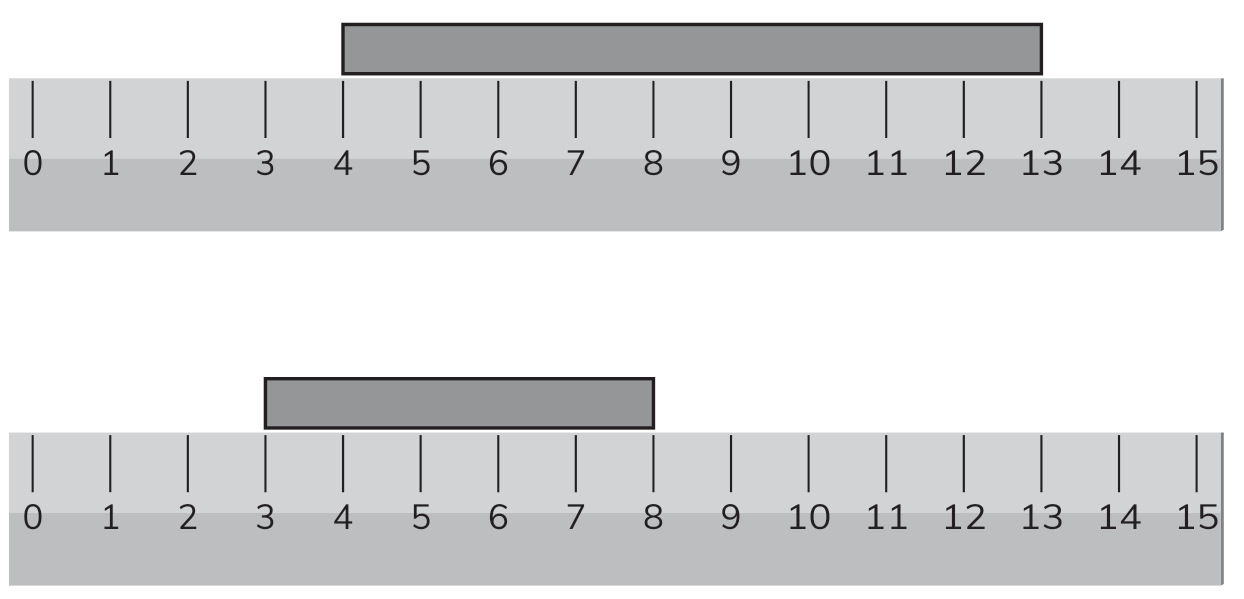
Measure the pen. Draw one longer object and one shorter object and give their lengths.
Choose centimetres or metres for: swimming pool, chocolate bar, shoe, five joined paper clips, bus and worm.
Write and draw five things that are about 15 cm long.
Choose non-standard objects to measure a pencil and your bedroom. Record what you find.
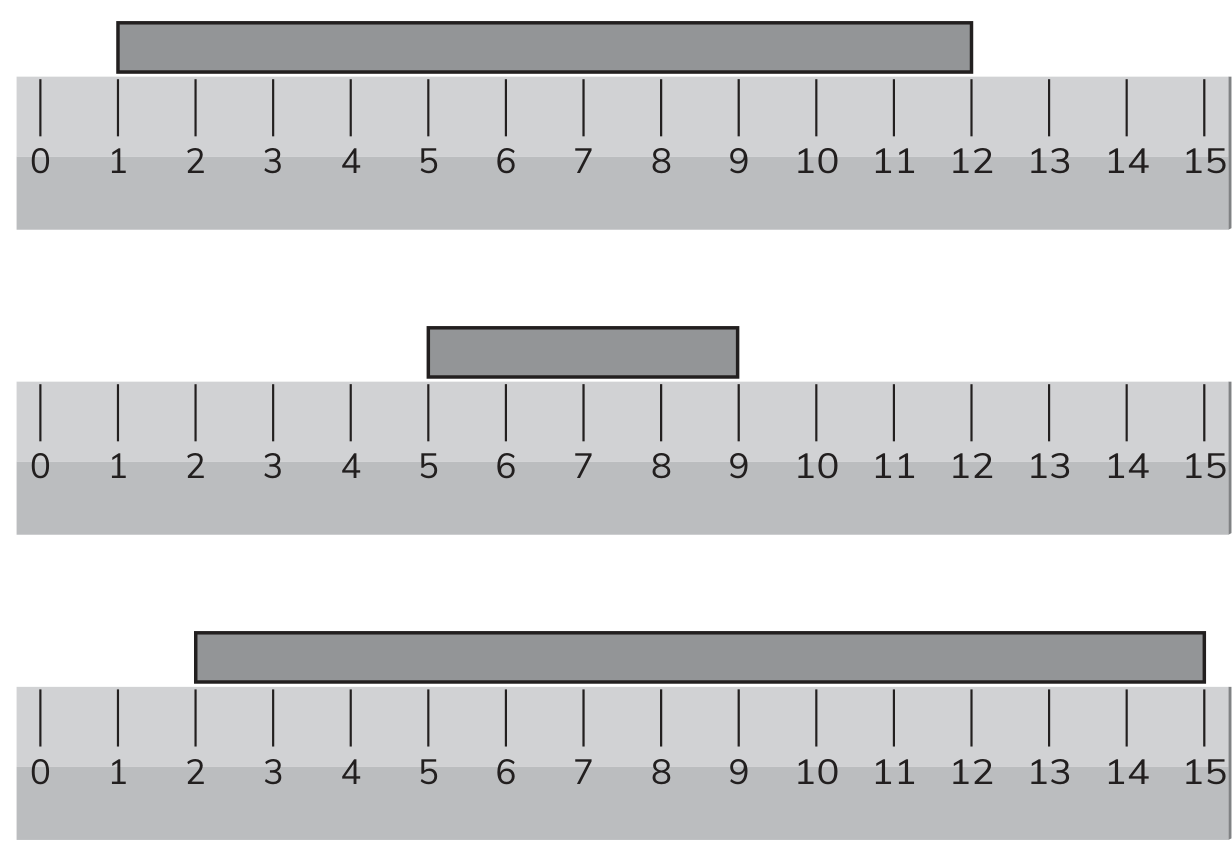
Estimate, then measure the five bars with the centimetre rulers.
Order each group from shortest to longest: a) 30, 70, 50, 39 cm; b) 77, 88, 78, 87 cm; c) 1 m, 3 m, 4 m, 1/2 m.
Estimate how far you can jump. Jump, measure, and compare with your estimate.
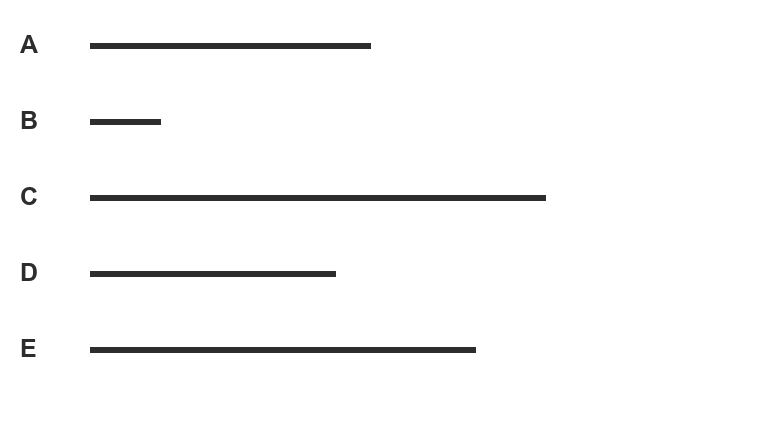
Measure the five lines with a ruler.
Measure: hand width, arm length, arm span, hand length, longest finger and foot width. Then say: what was hard with a ruler, what tool would help next time, the longest length and the shortest width.
Measure the length and width of your room. Use metres, centimetres, just over or just under.
Find four safe lengths to measure with a tape measure. Record them in metres.
Choose metres or centimetres for: pencil case, bus, pencil, wall, book and car. Add four examples for each unit.
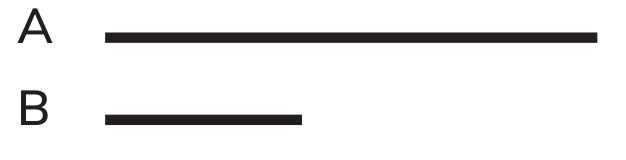
Which line is longer and by how much?
Which line is shorter and by how much?
Which line is shorter and by how much?
Next →