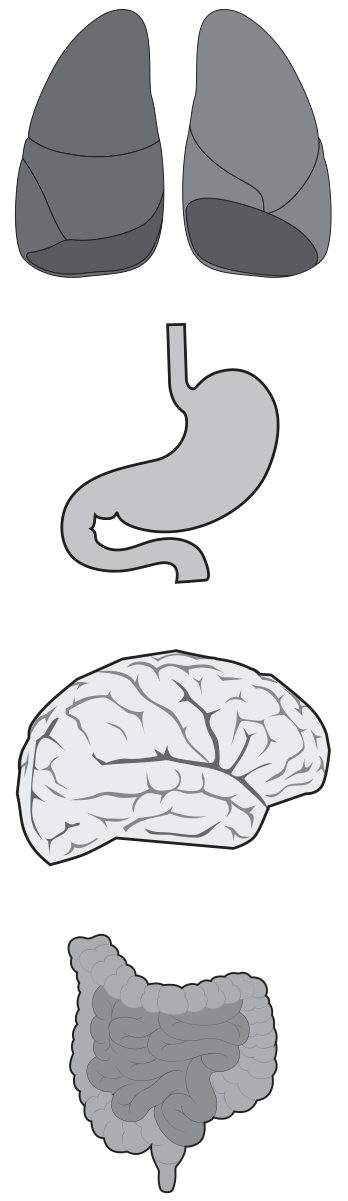
Humans have organs in their body. Each organ does a special job. Draw a line to link the organ with its name. The heart is already matched in the book. Match the remaining pictures to: intestines, brain, lungs, stomach.
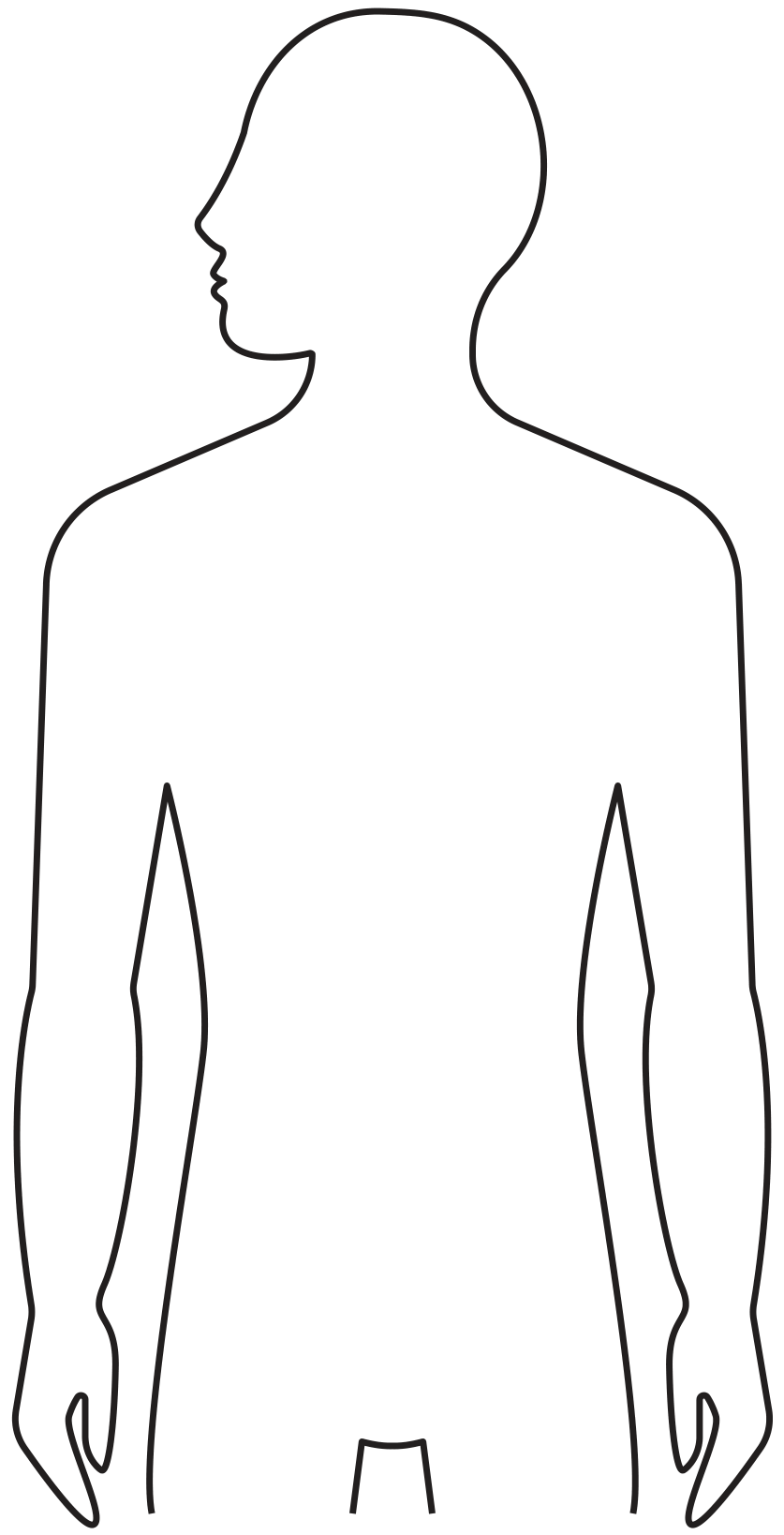
It is useful to know where your organs are in your body. Draw these organs in the right place in the human body: the heart, the lungs, the brain, the stomach and intestines.
Each of the organs in your body has an important job to do. Draw an arrow to match the organ to its important job. Organs: lungs; brain; heart; stomach and intestines. Jobs: get nutrients from your food; take in air so that we can breathe; helps you think; pushes blood around the body. Brain → helps you think is already done. Complete the other three links.
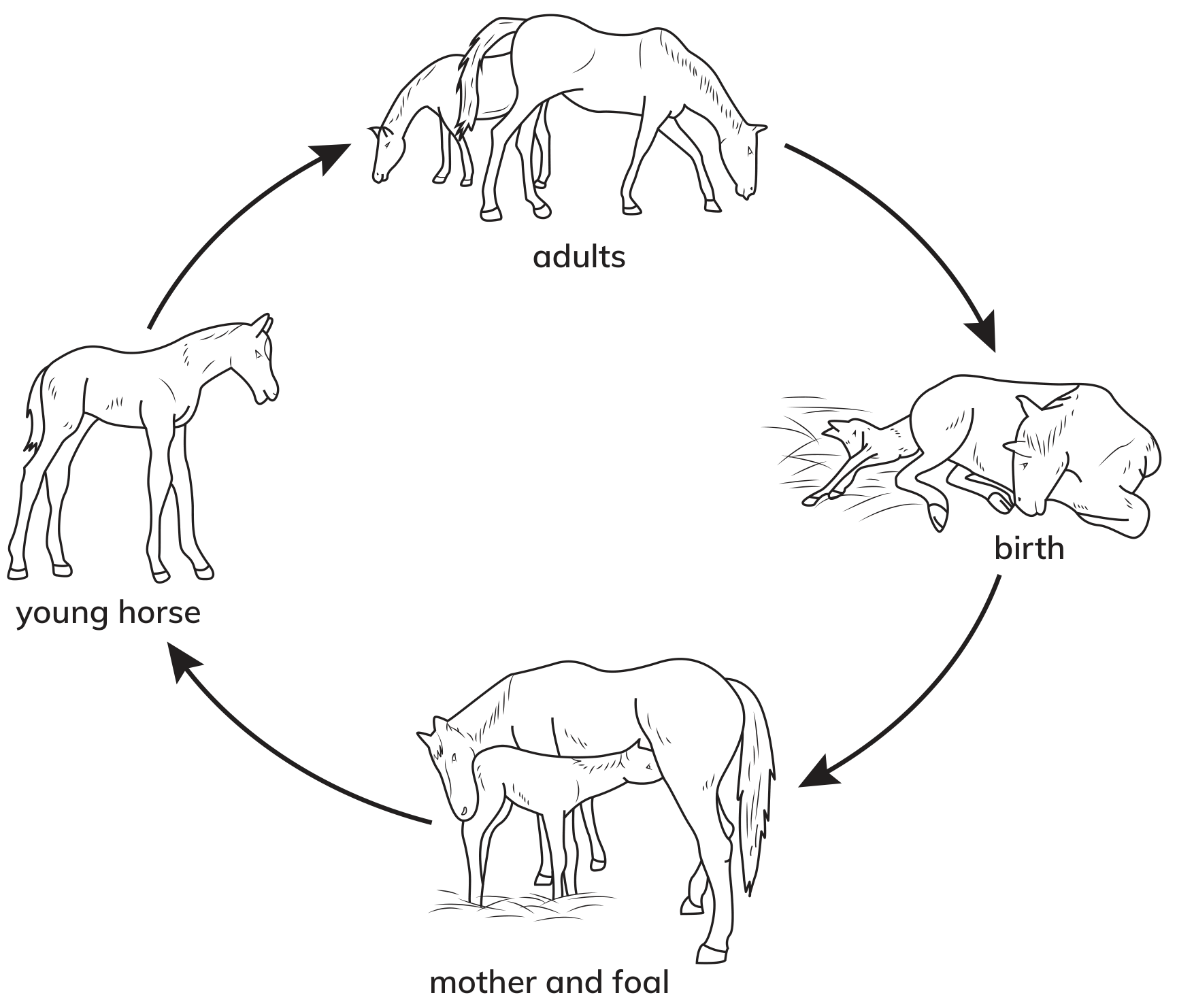
All animals have a life cycle. A life cycle diagram shows us the stages of growing. Here is the life cycle of a horse. The baby horse is called a foal. The foal stays with its mother. After two years the foal is a young horse. After five years old we call the horse an adult. (These ages are the simplified stages supplied in this diagram.) Look at the life cycle diagram of the horse.
All animals have a life cycle. A life cycle diagram shows us the stages of growing. Here is the life cycle of a horse. The baby horse is called a foal. The foal stays with its mother. After two years the foal is a young horse. After five years old we call the horse an adult. (These ages are the simplified stages supplied in this diagram.) Look at the life cycle diagram of the horse.
The foal is small. Is it very similar to its parents or is it very different?
All animals have a life cycle. A life cycle diagram shows us the stages of growing. Here is the life cycle of a horse. The baby horse is called a foal. The foal stays with its mother. After two years the foal is a young horse. After five years old we call the horse an adult. (These ages are the simplified stages supplied in this diagram.) Look at the life cycle diagram of the horse.
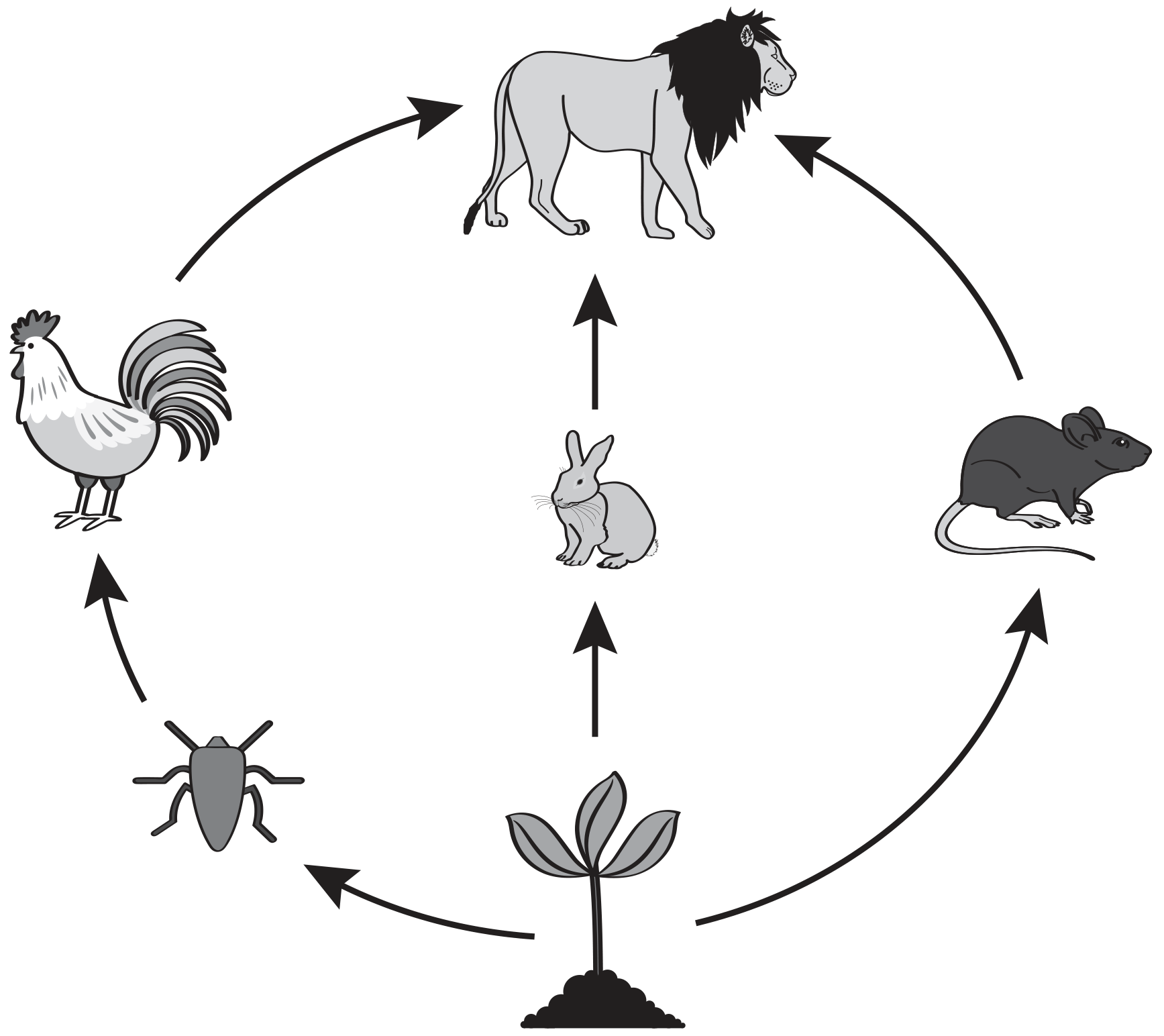
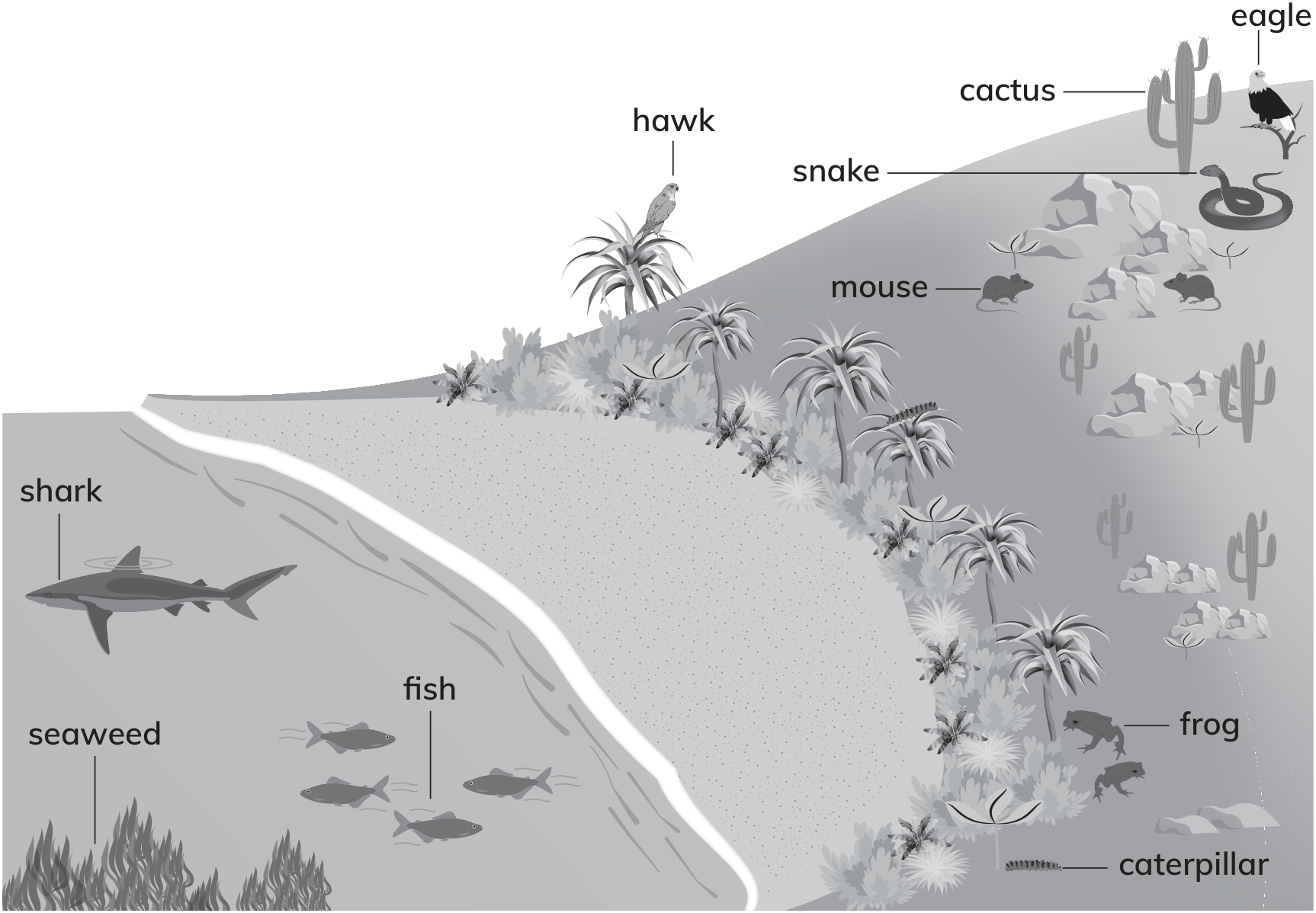
A food chain shows us how energy passes from one living thing to another. Look at these living things. In the box below draw three of them and use arrows to show a food chain. Draw one of the food chains. Make sure the arrows point the right way.
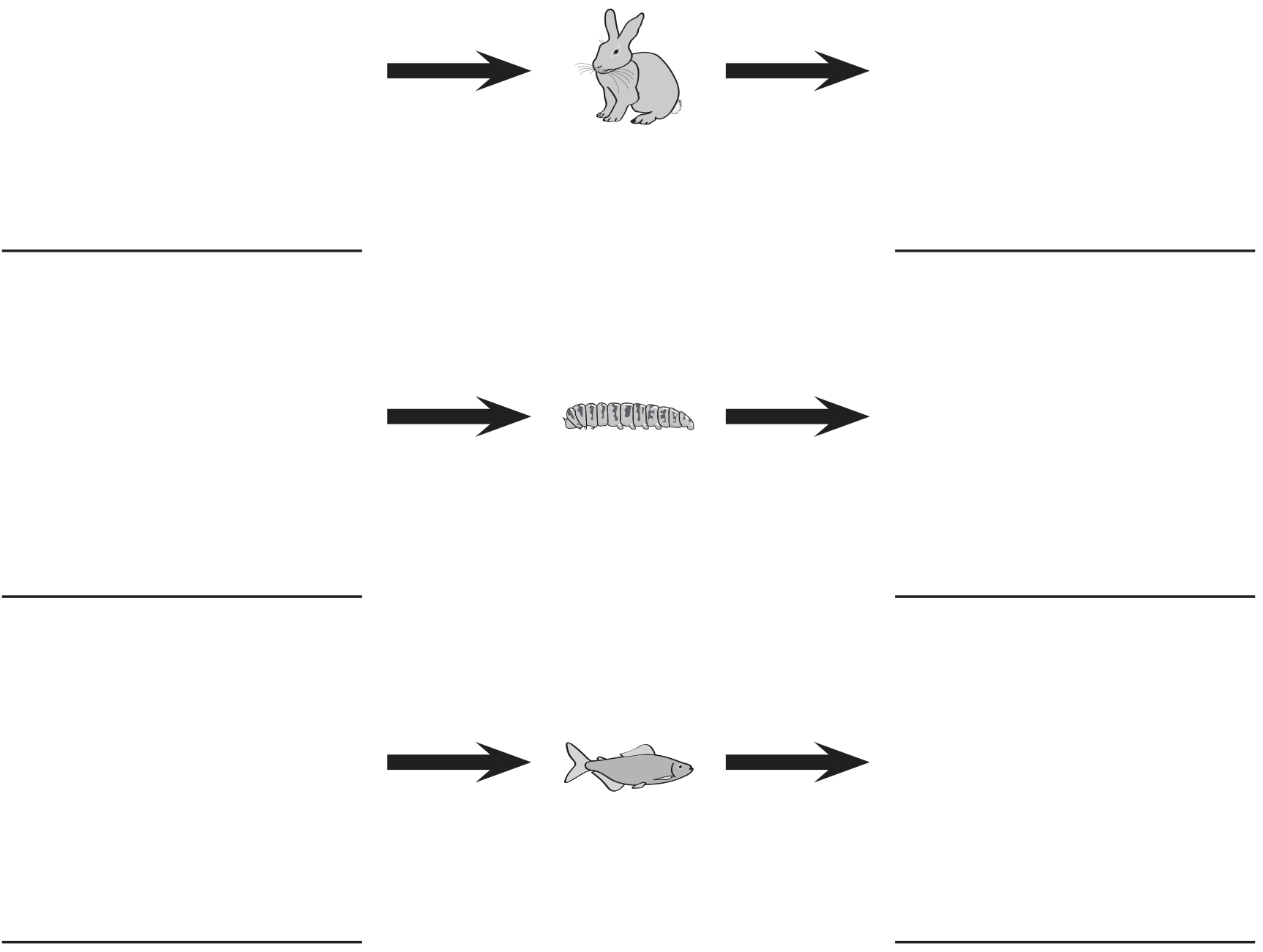
Put each animal in a food chain with two other living things. Draw and label the other living things. The given animals are a rabbit, a caterpillar and a fish, each in the middle of a three-organism chain.
Look at the six living things you added to the three food chains with a rabbit, a caterpillar and a fish in the middle. Label each as a producer or consumer. If working on this question alone, first add two suitable living things to each chain in the diagram.
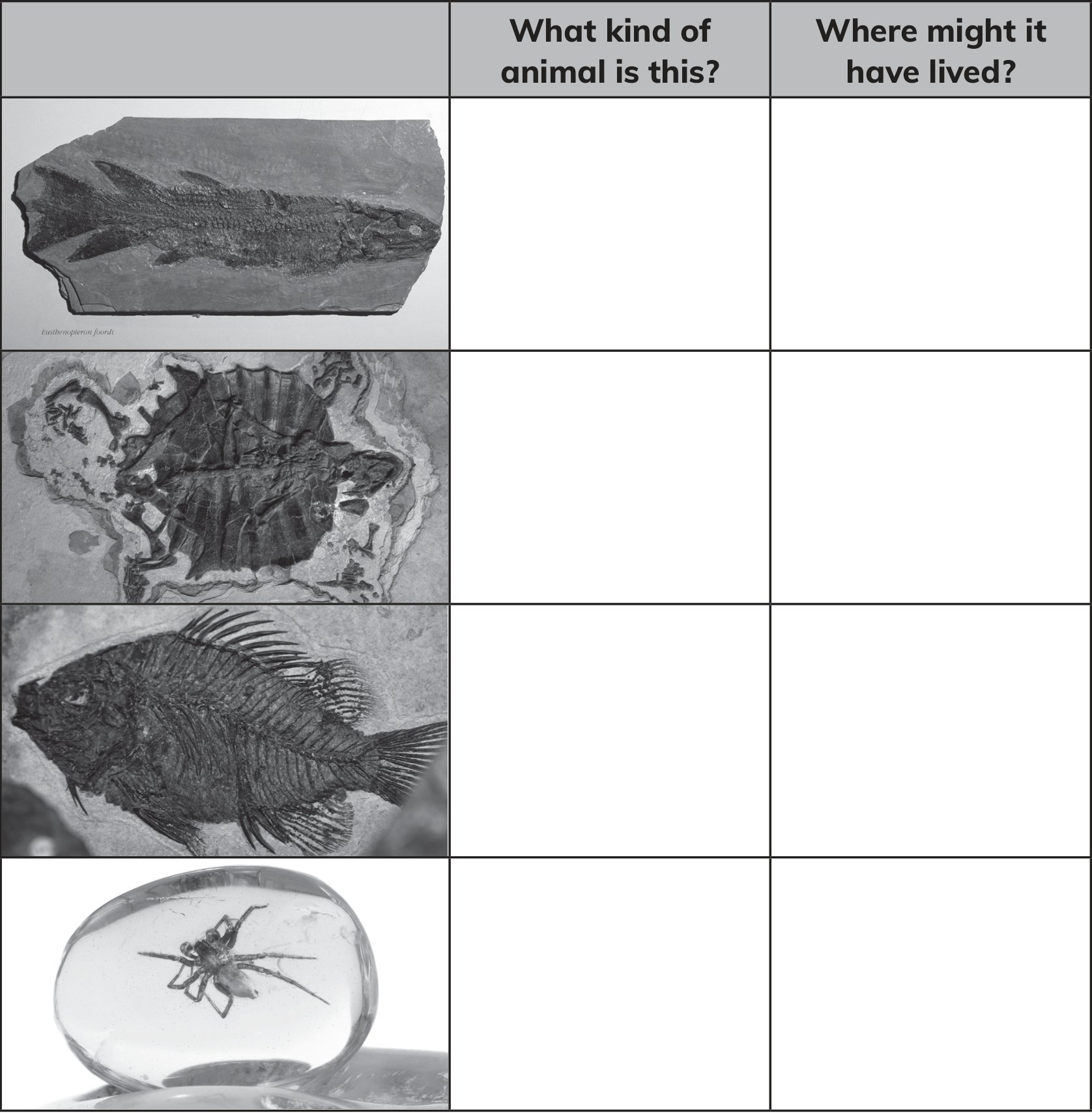
Fossils show us what a living thing looked like when it was alive. Complete this table. For each fossil, write: What kind of animal is this? Where might it have lived?