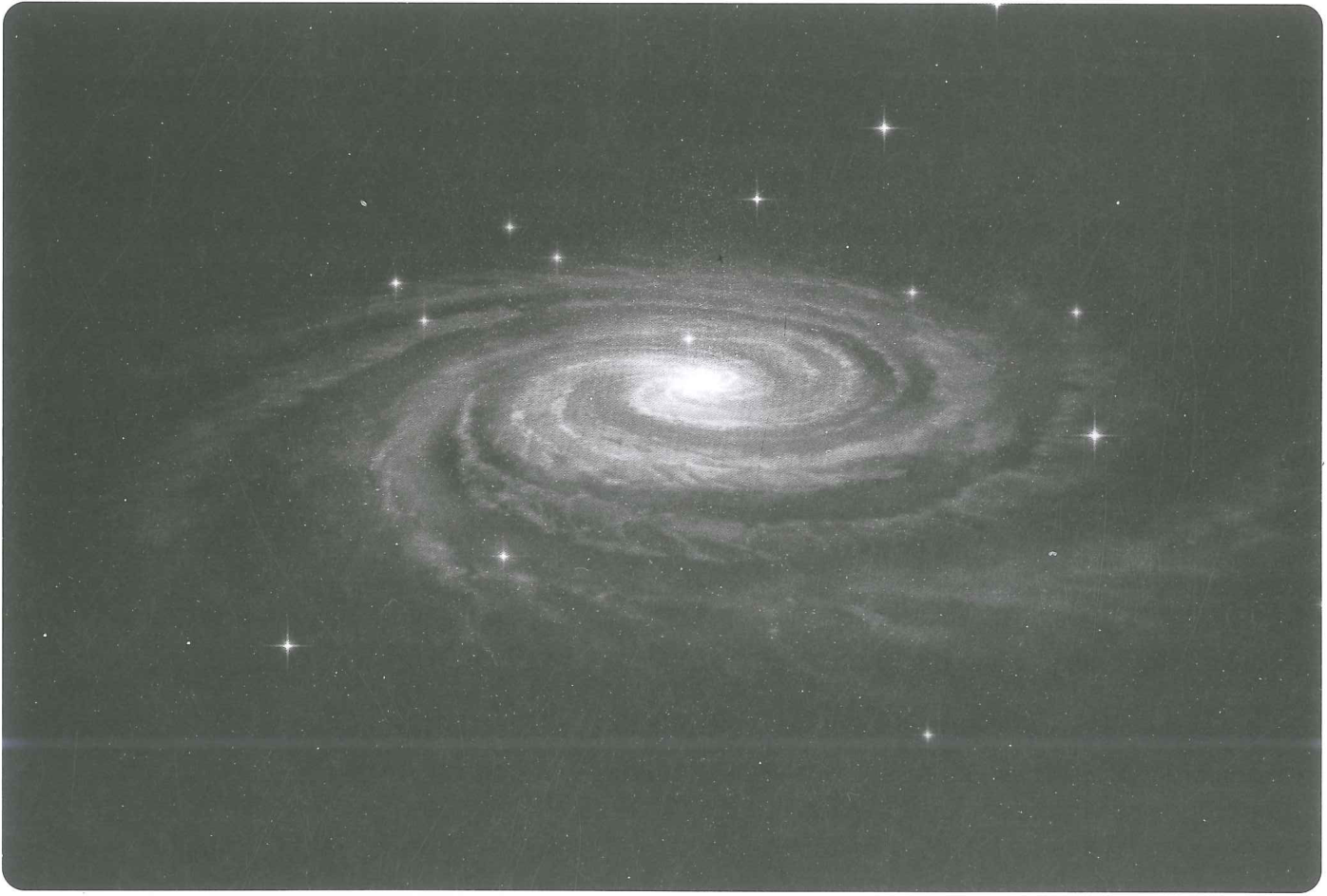
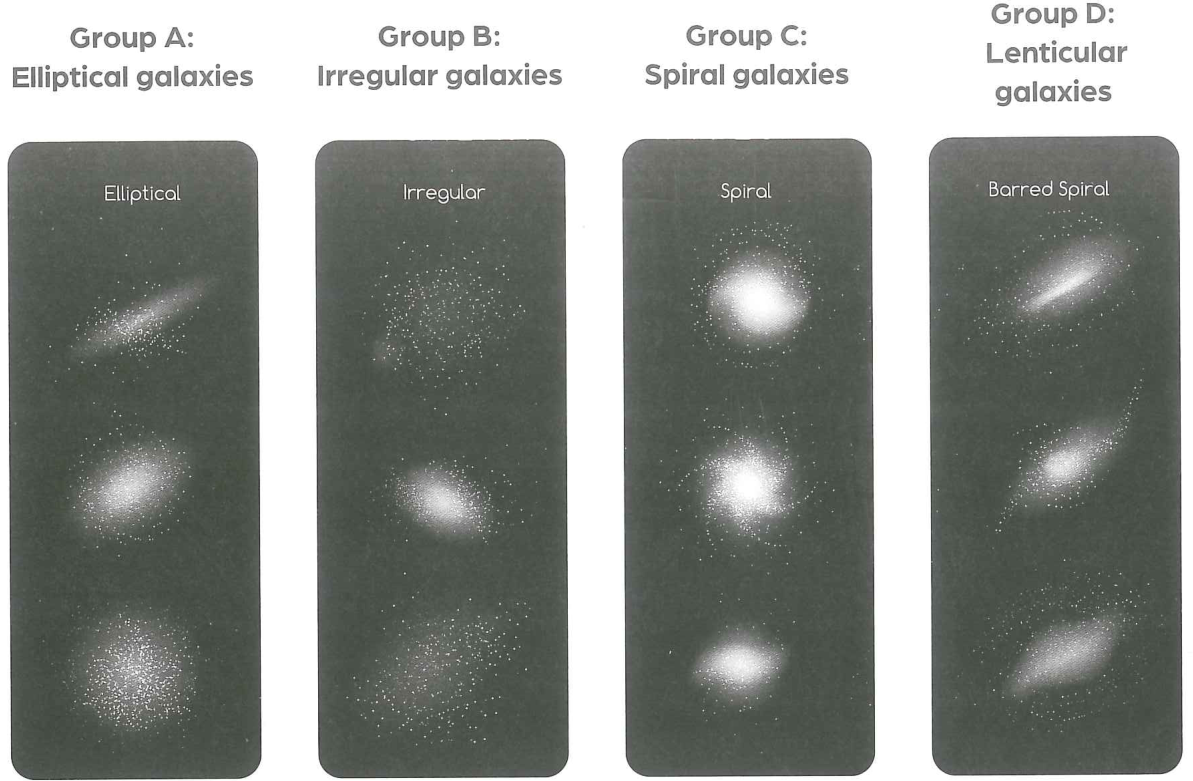
A galaxy is made up of stellar dust, gas, stars and planetary systems. It is held together by gravity. There are many galaxies in the Universe. Explain how the analogy of a garden compares to a galaxy.
Scientific knowledge is developed over time by putting together the findings of individuals. Galileo Galilei was an Italian astronomer whose observations of stars revolutionised our understanding of the Universe.
Compared to the simple telescope Galileo used to study the stars, telescopes today are more sophisticated and powerful. State one way in which modern telescopes can increase our knowledge of the Universe.
Model an Asteroid. Build a model of an asteroid to understand its shape, composition and surface features.
Materials: reference images of asteroids, foam balls or clay, aluminium foil, paints or markers, various craft supplies (such as pipe cleaners and beads), scissors, glue.
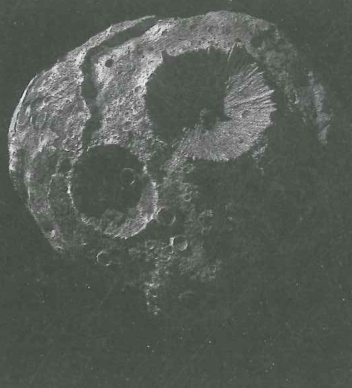
Asteroids are small, rocky objects that orbit the Sun. They are the leftovers from the formation of the Solar System billions of years ago. They vary greatly in size, from a few metres to hundreds of kilometres in diameter. Most asteroids are found in the asteroid belt. However, some stray asteroids can be found throughout the Solar System. Asteroids are composed mostly of rock and metal, with some containing valuable resources such as precious metals. Psyche, shown in the picture, is an example of an asteroid that could be mined for precious metals.
1. View images of asteroids. Choose one to model. Use the image to guide your design and surface features. This will make your model more accurate and realistic.
2. Choose your base material. Choose a foam ball or clay as the base material for your asteroid model. Foam balls are lightweight and easy to work with, while clay allows for more sculpting and detailing.
3. Shape the asteroid. If you are using clay, mould it into the desired shape for your asteroid. If you are using a foam ball, you may need to carve or shape it to resemble an irregularly shaped asteroid.
4. Add surface features. Use paints or markers to add surface features to your asteroid model, such as craters, ridges and other geological formations. You can also use craft supplies such as pipe cleaners, beads or aluminium foil to create texture and dimension.
5. Experiment with composition. Some asteroids may be rocky, while others may contain metals or ice. Use different materials or paint colours to show these variations. If your asteroid has craters, think of how they were formed.
6. When your model is complete, label its features. Describe the characteristics of your asteroid, including its size, shape, composition and surface features.
You have made and labelled an asteroid model using a reference image and craft materials. Reflect on the process of creating your asteroid model. What did you learn about asteroids?
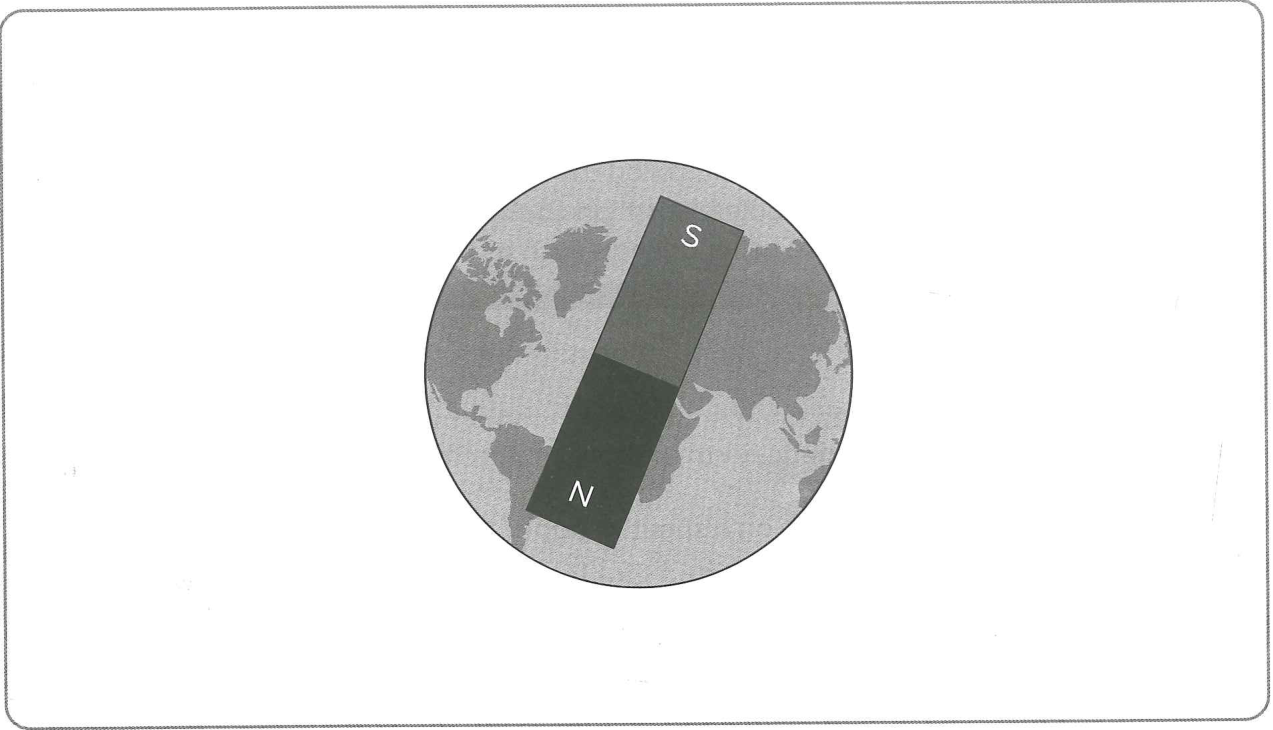
In this model, cut out a picture of the Earth and put a bar magnet beneath it, with its S pole facing magnetic north. Seal iron filings in a large transparent zipper bag, then tape its corners to a flat surface over the Earth picture. Wear safety goggles; keep the bag securely sealed because iron filings can injure eyes or lungs. Do not put the compass near the bar magnet when finding magnetic north.
What do you notice about the iron filings in the bag?
In this model, cut out a picture of the Earth and put a bar magnet beneath it, with its S pole facing magnetic north. Seal iron filings in a large transparent zipper bag, then tape its corners to a flat surface over the Earth picture. Wear safety goggles; keep the bag securely sealed because iron filings can injure eyes or lungs. Do not put the compass near the bar magnet when finding magnetic north.
Draw lines on the diagram to show the way the iron filings line up.
In this model, cut out a picture of the Earth and put a bar magnet beneath it, with its S pole facing magnetic north. Seal iron filings in a large transparent zipper bag, then tape its corners to a flat surface over the Earth picture. Wear safety goggles; keep the bag securely sealed because iron filings can injure eyes or lungs. Do not put the compass near the bar magnet when finding magnetic north.
What is an analogy? Is this investigation a good analogy to show the magnetic field of the Earth?
In this model, cut out a picture of the Earth and put a bar magnet beneath it, with its S pole facing magnetic north. Seal iron filings in a large transparent zipper bag, then tape its corners to a flat surface over the Earth picture. Wear safety goggles; keep the bag securely sealed because iron filings can injure eyes or lungs. Do not put the compass near the bar magnet when finding magnetic north.
What does this model or analogy not explain? What are the model’s limitations?
Draw lines to match objects in the Solar System to their descriptions.
Objects: comets; dwarf planets; asteroids; Kuiper Belt objects; stellar dust.
Descriptions:
- larger rocky bodies that have enough gravity to have a spherical shape
- icy bodies found beyond the orbit of Neptune
- objects made up of ice, dust and rocks that orbit the Sun in highly elliptical orbits.
- very fine particles of solid matter found falling to Earth or in outer space
- rocks left over from the formation of the planets
Tick (✓) the statement that is incorrect about a planetary system.
- The Solar System is an example of a planetary system.
- It is held together by gravity.
- It does not include moons, asteroids or comets.
- It consists of a star and the celestial bodies around it.