Question 1
Aim: To understand how the excretory system works through the use of a model.
Materials: Craft knife or sharp scissors, three clear 500-ml plastic bottles with caps, screwdriver or other sharp tool, two long, bendy straws, short straw (about 10 cm long), clay or plasticine, shoe box (or any open cardboard box), cardboard (preferably pink or red), tape, labels, black pen or marker.
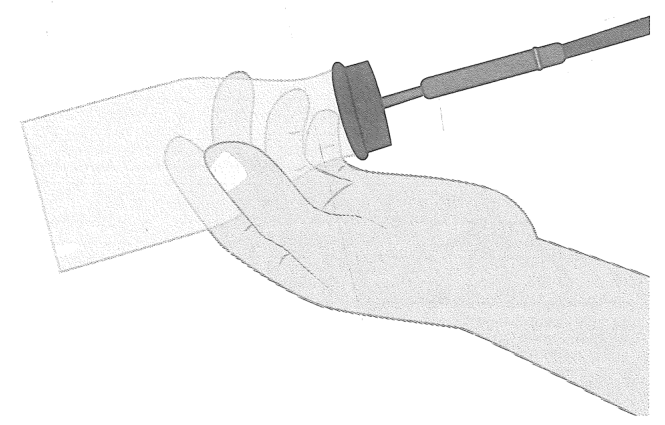
1 Work in pairs. Carefully cut the plastic bottles in half. Discard two of the bottom halves. Then, taking great care, create holes in each of the caps just big enough for straws to pass through.
2 Insert the ends of the straws into the caps. Use clay or plasticine to seal up any openings.
3 Remove the lid of a shoe box. If it is attached to the rest of the box, carefully cut it away.
4 Trace two kidney shapes on pink cardboard. Cut these out and stick them onto the top halves of two bottles. Use tape to stick the two bottles near the top of the box.
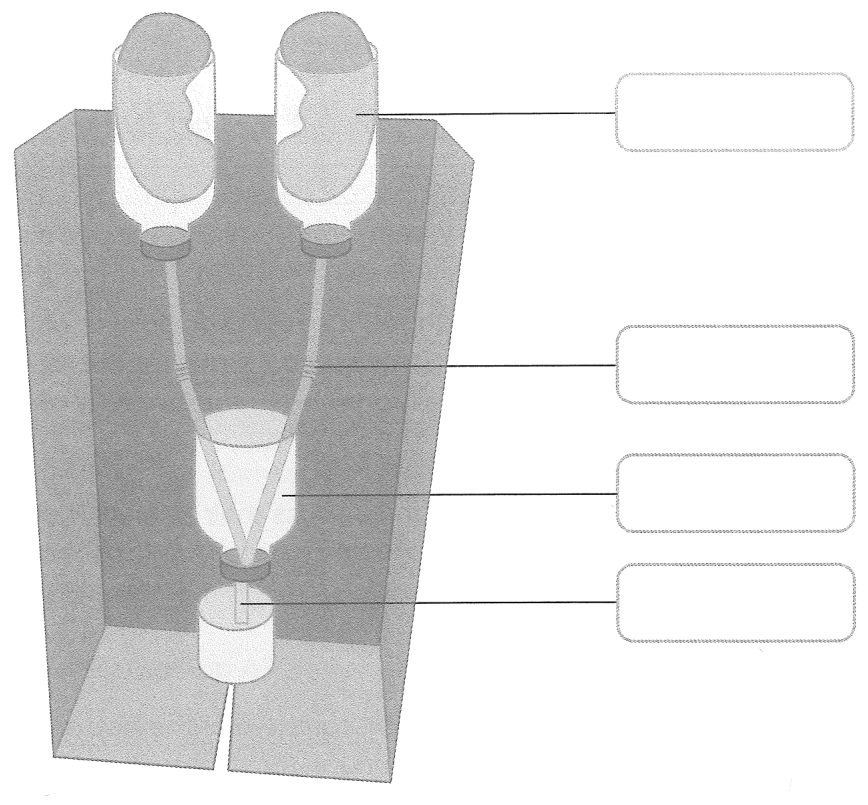
5 Assemble the rest of the model as shown in the diagram. Label the parts of the model.
6 Pour water into the parts that represent the kidneys. Observe what happens.
Materials: Craft knife or sharp scissors, three clear 500-ml plastic bottles with caps, screwdriver or other sharp tool, two long, bendy straws, short straw (about 10 cm long), clay or plasticine, shoe box (or any open cardboard box), cardboard (preferably pink or red), tape, labels, black pen or marker.
1 Work in pairs. Carefully cut the plastic bottles in half. Discard two of the bottom halves. Then, taking great care, create holes in each of the caps just big enough for straws to pass through.
2 Insert the ends of the straws into the caps. Use clay or plasticine to seal up any openings.
3 Remove the lid of a shoe box. If it is attached to the rest of the box, carefully cut it away.
4 Trace two kidney shapes on pink cardboard. Cut these out and stick them onto the top halves of two bottles. Use tape to stick the two bottles near the top of the box.
5 Assemble the rest of the model as shown in the diagram. Label the parts of the model.
6 Pour water into the parts that represent the kidneys. Observe what happens.
