Question 6
Model an Asteroid. Build a model of an asteroid to understand its shape, composition and surface features.
Materials: reference images of asteroids, foam balls or clay, aluminium foil, paints or markers, various craft supplies (such as pipe cleaners and beads), scissors, glue.
Asteroids are small, rocky objects that orbit the Sun. They are the leftovers from the formation of the Solar System billions of years ago. They vary greatly in size, from a few metres to hundreds of kilometres in diameter. Most asteroids are found in the asteroid belt. However, some stray asteroids can be found throughout the Solar System. Asteroids are composed mostly of rock and metal, with some containing valuable resources such as precious metals. Psyche, shown in the picture, is an example of an asteroid that could be mined for precious metals.
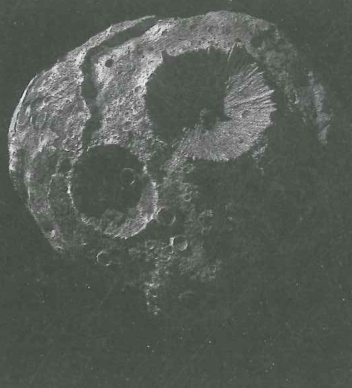
1. View images of asteroids. Choose one to model. Use the image to guide your design and surface features. This will make your model more accurate and realistic.
2. Choose your base material. Choose a foam ball or clay as the base material for your asteroid model. Foam balls are lightweight and easy to work with, while clay allows for more sculpting and detailing.
3. Shape the asteroid. If you are using clay, mould it into the desired shape for your asteroid. If you are using a foam ball, you may need to carve or shape it to resemble an irregularly shaped asteroid.
4. Add surface features. Use paints or markers to add surface features to your asteroid model, such as craters, ridges and other geological formations. You can also use craft supplies such as pipe cleaners, beads or aluminium foil to create texture and dimension.
5. Experiment with composition. Some asteroids may be rocky, while others may contain metals or ice. Use different materials or paint colours to show these variations. If your asteroid has craters, think of how they were formed.
6. When your model is complete, label its features. Describe the characteristics of your asteroid, including its size, shape, composition and surface features.
Materials: reference images of asteroids, foam balls or clay, aluminium foil, paints or markers, various craft supplies (such as pipe cleaners and beads), scissors, glue.
Asteroids are small, rocky objects that orbit the Sun. They are the leftovers from the formation of the Solar System billions of years ago. They vary greatly in size, from a few metres to hundreds of kilometres in diameter. Most asteroids are found in the asteroid belt. However, some stray asteroids can be found throughout the Solar System. Asteroids are composed mostly of rock and metal, with some containing valuable resources such as precious metals. Psyche, shown in the picture, is an example of an asteroid that could be mined for precious metals.
1. View images of asteroids. Choose one to model. Use the image to guide your design and surface features. This will make your model more accurate and realistic.
2. Choose your base material. Choose a foam ball or clay as the base material for your asteroid model. Foam balls are lightweight and easy to work with, while clay allows for more sculpting and detailing.
3. Shape the asteroid. If you are using clay, mould it into the desired shape for your asteroid. If you are using a foam ball, you may need to carve or shape it to resemble an irregularly shaped asteroid.
4. Add surface features. Use paints or markers to add surface features to your asteroid model, such as craters, ridges and other geological formations. You can also use craft supplies such as pipe cleaners, beads or aluminium foil to create texture and dimension.
5. Experiment with composition. Some asteroids may be rocky, while others may contain metals or ice. Use different materials or paint colours to show these variations. If your asteroid has craters, think of how they were formed.
6. When your model is complete, label its features. Describe the characteristics of your asteroid, including its size, shape, composition and surface features.
